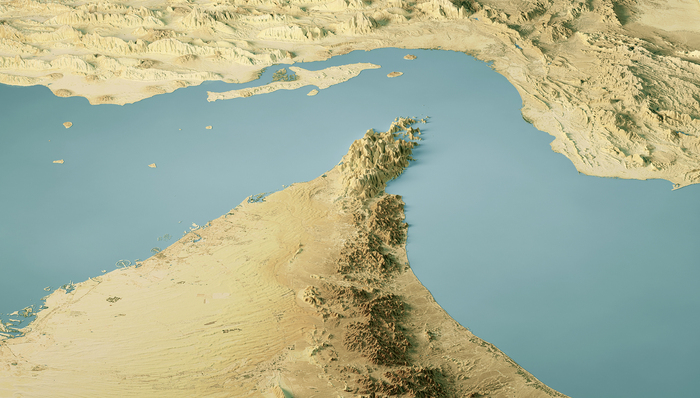
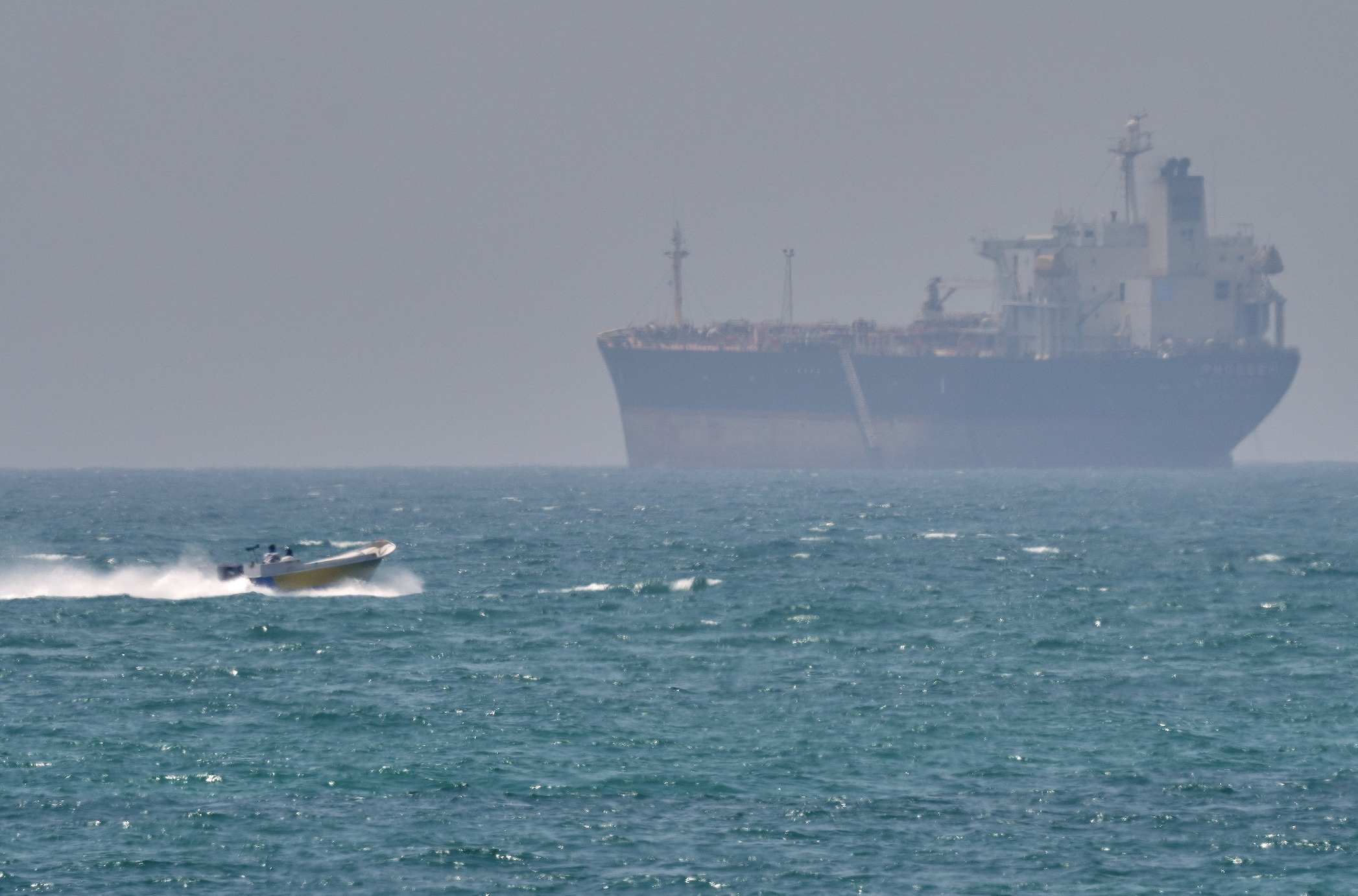
On the evening of March 21, US President Trump issued an ultimatum demanding that Iran open the Strait of Hormuz within 48 hours, or he would destroy its power plants. Half of the deadline has passed, and Iran has responded strongly, threatening to strike at energy and water supplies in the Gulf region, bringing the situation to the brink of conflict.
As the world’s most important energy transport route, the security and passage through the Strait of Hormuz have a significant impact on Asian stock markets, putting continued pressure on energy-dependent economies (such as Japan and South Korea).
On Monday morning, the MSCI Asia Pacific Index fell as much as 3% to 230.88 points, and both Japanese and South Korean stock markets triggered circuit breakers.
Regarding the situation in the strait, Iran’s Deputy Foreign Minister for Legal and International Affairs, Gharibabadi, stated that open threats against energy and infrastructure violate international law. The initiating parties will bear full legal responsibility and all consequences arising therefrom.
According to Xinhua News Agency, the Iranian Foreign Ministry issued a statement on March 22 local time, stating that the Strait of Hormuz has not been blocked and that ships can continue to navigate the waterway, provided they comply with the necessary measures taken due to the war situation.
Iranian Foreign Minister Araqchi further elaborated Iran’s principled position on shipping and navigation safety in the Strait of Hormuz via social media: any country that has not participated in or cooperated with any acts of aggression against Iran and complies with Iran’s security regulations and measures can pass safely after coordination with the relevant Iranian authorities.
It should be noted that the Strait of Hormuz and other vital resource areas are firmly controlled by military departments such as the Islamic Revolutionary Guard Corps and the Armed Forces. Previously, there have been frequent contradictions in the positions of high-ranking military officials and administrative officials such as the president and the Ministry of Foreign Affairs, such as whether to block the Strait of Hormuz and whether they are still willing to negotiate with the United States.
The Strait of Hormuz is not only crucial to global energy lifelines but also directly affects fertilizer supply, agricultural production, and food prices. The Gulf region is the world’s largest producer and exporter of urea, supplying approximately 45% of global sulfur exports (a key raw material for phosphate fertilizer production). The peak season for spring planting and fertilization in the Northern Hemisphere is currently underway, threatening the livelihoods of at least 100 million people.