

The World Health Organization announced last weekend that, in accordance with the International Health Regulations, the Ebola outbreak in the Democratic Republic of Congo and Uganda constitutes a “public health emergency of international concern”. This is the highest level of alert in the WHO’s tiered warning system, which will trigger coordinated international action, including border control and vaccine distribution.
Since the implementation of the International Health Regulations in 2005, the WHO has declared eight public health emergencies of international concern. Previous emergencies that have been declared over include the H1N1 pandemic, the West African Ebola outbreak, the Zika virus outbreak, the Ebola outbreak in the Democratic Republic of Congo, the monkeypox outbreak, the polio outbreak, and the COVID-19 pandemic.
Public data shows that the Ebola virus can cause Ebola hemorrhagic fever, mainly through contact with infected blood, bodily fluids, secretions, and excretions. The clinical manifestations are mainly fever, bleeding, and multi-organ damage, with a mortality rate of 50% to 90%.
As of the time of writing, the Democratic Republic of Congo has reported 91 suspected deaths and 350 suspected cases, with most cases concentrated in the eastern province of Ituri. The virus has also spread to neighboring Uganda, with one confirmed case reported.
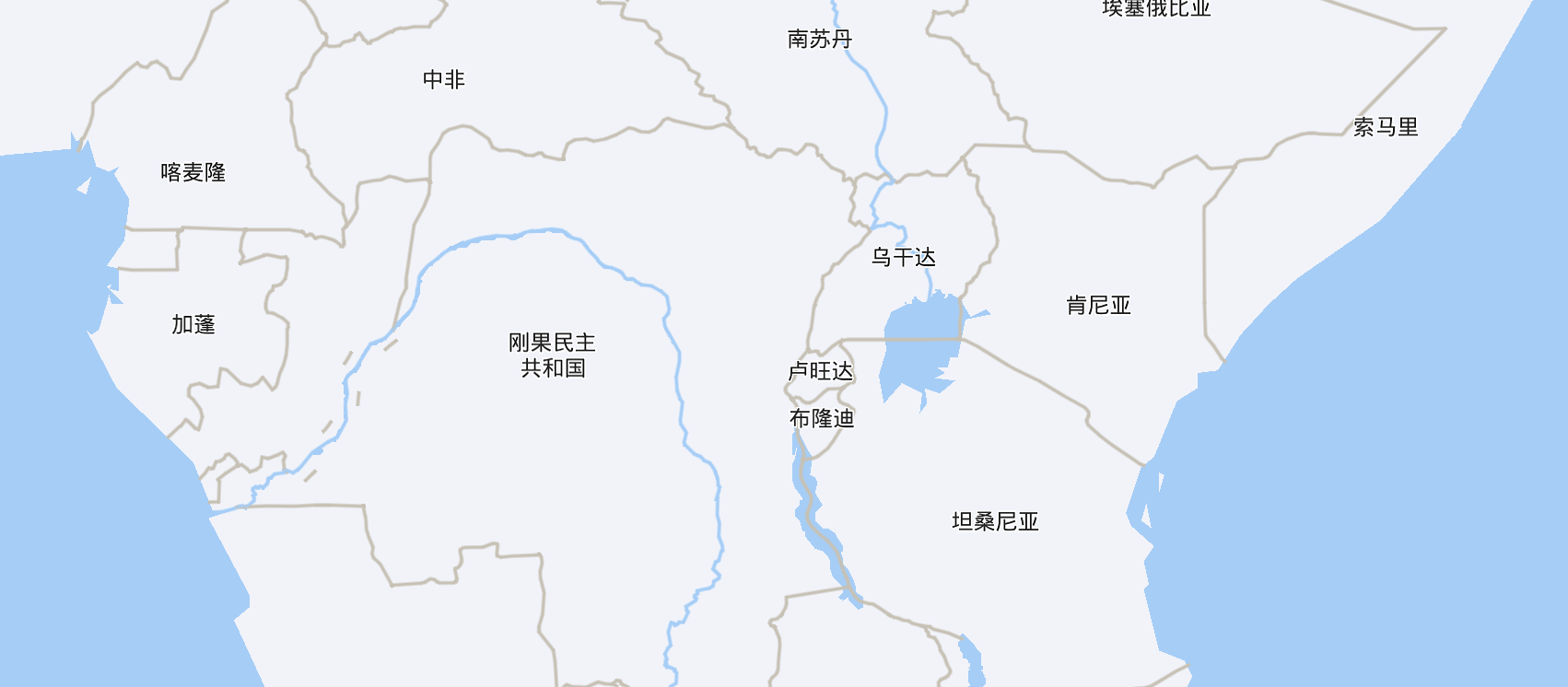
This is the 17th Ebola outbreak in the Democratic Republic of Congo since the virus was first discovered in 1976. The previous outbreak ended in December 2025. The country has the most experience in responding to Ebola outbreaks and has a highly sensitive surveillance system.
Analysts point out that the frequent Ebola outbreaks in the Democratic Republic of Congo are the result of a combination of ecological, conflict, and health factors.
The Democratic Republic of Congo, also known as the Democratic Republic of the Congo, is the second-largest country in Africa, with an area of 2.34 million square kilometers and a population of over 100 million. The country has 254 ethnic groups and is rich in mineral resources, including cobalt and copper. However, the country’s GDP per capita is only $700.
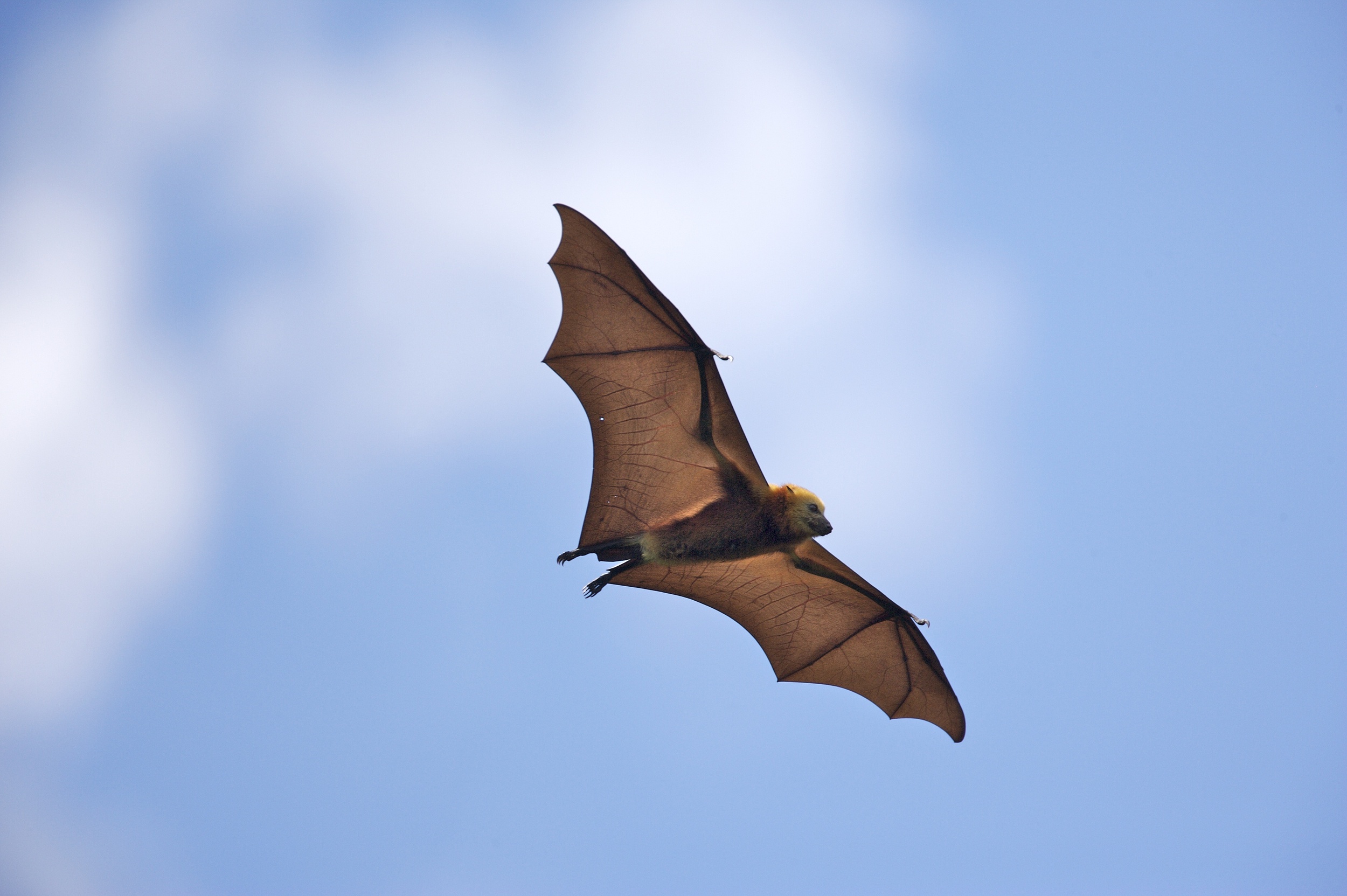
Firstly, the vast tropical rainforests in the country are home to fruit bats and other animals that are the natural hosts of the Ebola virus. Local residents often come into contact with infected animals or their bodily fluids, which can lead to infection. The increasing deforestation and mining activities have increased the risk of human contact with the virus.
The National Institute of Biomedical Research in the Democratic Republic of Congo has confirmed that the current outbreak is caused by the Bundibugyo strain of the Ebola virus. The suspected first case was a nurse who died in April after showing symptoms of fever, bleeding, vomiting, and severe weakness.
The Ebola virus family is large, and different outbreaks may be caused by different strains (such as the Zaire strain or the Bundibugyo strain), which can lead to a lack of effective treatments for medical personnel. The frequent sharing of unsterilized medical equipment or inadequate laboratory protection can also lead to the spread of the virus in hospitals, making medical personnel the first victims.
Secondly, the outbreak is concentrated in areas with conflict, poverty, and frequent population movement, making it difficult to implement effective control measures.
The country’s eastern region has been plagued by conflict, poverty, and population movement, making it difficult to track contacts and implement control measures. The lack of awareness and resistance to vaccination efforts have also hindered the response to the outbreak.
The country’s rich mineral resources have made it a target for armed groups, which has further complicated the response to the outbreak.
Last year, the security situation in the country deteriorated, and the provinces of Ituri and others were placed under a state of emergency. The Chinese embassy in the Democratic Republic of Congo has warned Chinese citizens not to travel to the affected areas.
The Africa Centers for Disease Control and Prevention has warned that the outbreak poses a risk of spread due to the affected areas being urban, having frequent population movement, and having inadequate contact tracing and infection control capabilities.
Uganda’s Ministry of Health has reported a case of Ebola in the capital city of Kampala, which was confirmed to be the Bundibugyo strain. The patient, a 59-year-old man, died on May 14 after showing symptoms of fever, bleeding, and severe weakness.
Uganda’s previous Ebola outbreak occurred in January 2025 and was declared over in April 2025.
China has established a multi-dimensional defense system against the Ebola virus, including port inspection and clinical warning systems. The current assessment is that the risk to China is low.
According to the website of the General Administration of Customs, the department has issued a notice requiring individuals from affected areas, including the Democratic Republic of Congo and Uganda, to report any symptoms of fever or bleeding upon entry. The customs will also conduct strict health inspections and disinfection of transportation vehicles, containers, and luggage from affected areas.
