As reported by Xinhua News Agency, the Ministry of Health of the Democratic Republic of the Congo (DR Congo) released a report on June 2, indicating that 116 Ebola cases are still under investigation, a significant reduction from the previously reported total number of suspected cases.
Previously, the country reported a total of 1077 suspected Ebola cases, which has now been reduced to 344, with 60 deaths and 6 recoveries reported.
On the same day, WHO spokesperson Lindemayer stated at a press conference that the data reduction was largely due to the exclusion of numerous initially listed suspected cases that turned out to be other illnesses after testing and verification.
Suspected cases are first identified either through monitoring or when individuals visit healthcare facilities with symptoms resembling Ebola. After laboratory testing, some are confirmed, while many others are found to be malaria, meningitis, or other diseases and thus removed from the suspected case count.
In early May, WHO announced that the Ebola outbreak in the DRC and Uganda meets the criteria under the International Health Regulations to be classified as a “Public Health Emergency of International Concern.” This is the highest alert level under WHO’s global health event grading system and triggers coordinated international measures such as border controls and vaccine distribution.
Since the implementation of the International Health Regulations in 2005, WHO has declared 8 such global health emergencies. Previous events declared over include the H1N1 flu pandemic, the West Africa Ebola outbreak, the Zika virus outbreak, the DRC Ebola outbreak, the mpox outbreak, polio outbreaks, and the COVID-19 pandemic.
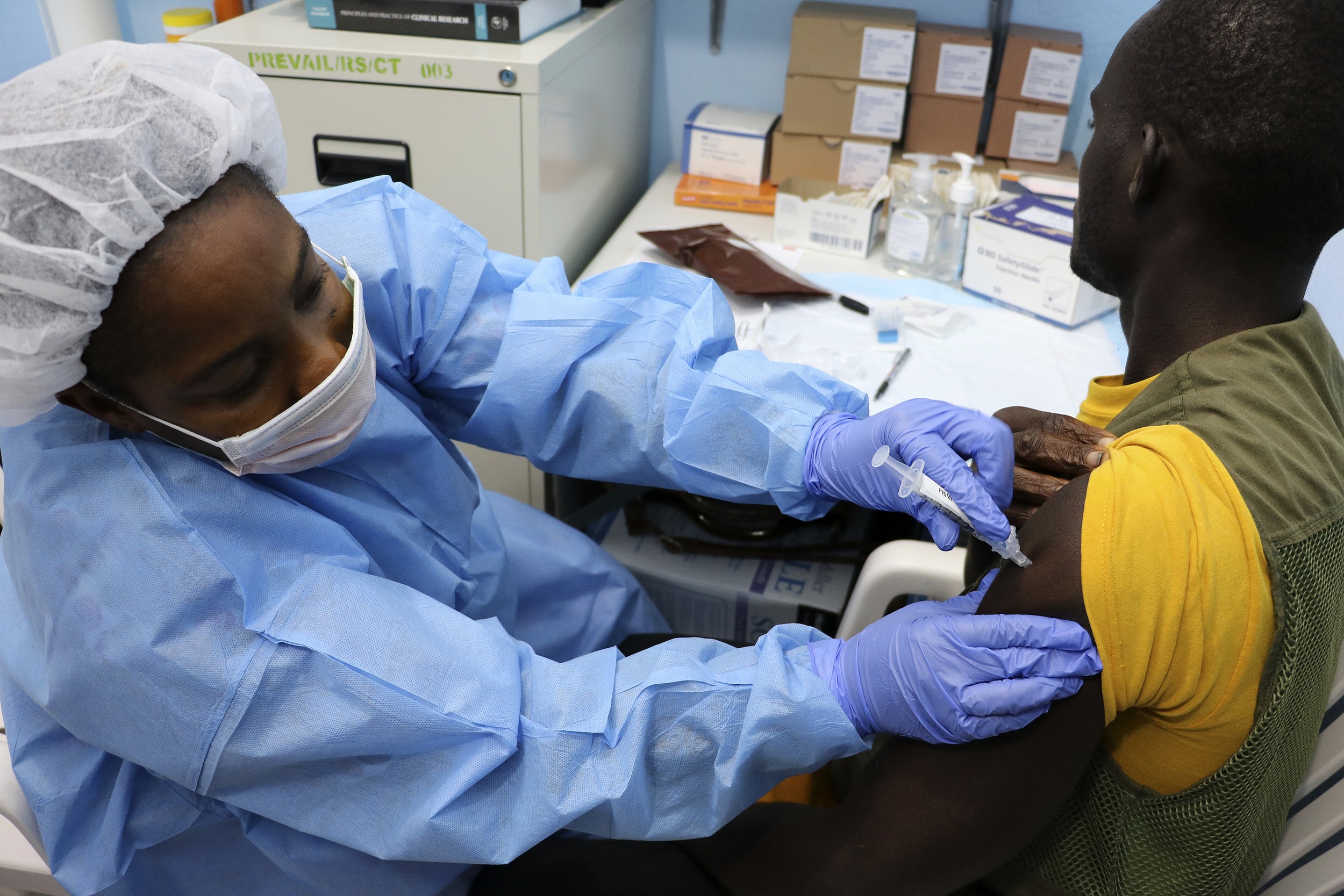
This marks the 17th Ebola outbreak since the first discovery in 1976. The previous round ended in December 2025. As a result, the DRC is one of the most experienced countries in handling Ebola outbreaks globally, with a highly sensitive monitoring system that surpasses neighboring countries.
Analysts suggest that the frequent outbreaks in the DRC are a result of the intersection of ecological conditions, frequent conflicts, and medical challenges.
The DRC’s National Institute of Biomedical Research confirmed that this outbreak is caused by the Bundibugyo strain of the Ebola virus. The first suspected case was a nurse who died in April after visiting a healthcare facility in the Ituri Province. Symptoms included fever, bleeding, vomiting, and severe fatigue.
The Ebola virus family is diverse, and different strains can cause outbreaks (such as the Zaïre strain or this Bundibugyo strain), which often leaves healthcare workers facing an uncertain situation with no effective treatment available. Sharing unsterilized medical equipment or inadequate lab protection also easily leads to virus spread within hospitals, even infecting healthcare workers first.
The virus primarily spreads through close contact. Since fruit bats are its natural host, the virus often enters the human population through contact with infected animals or bodily fluids, blood, and excretions of patients, and causes cluster outbreaks during home care or traditional funeral practices.
Ebola outbreaks commonly occur in conflict zones, impoverished areas, and border regions with high population mobility. Complex geopolitical situations hinder effective disease control. At the end of last year, due to a sharp deterioration in local security, four provinces including Ituri and surrounding areas faced extremely high security risks, with some regions in an active conflict state.
WHO Director-General Tedros called on all parties involved in the conflict in the DRC to immediately agree to a ceasefire, allowing medical teams to enter the epidemic area safely and continuously to curb the spread of this Ebola outbreak.
To improve防控efficiency, local authorities have compressed Ebola test results to within 48 hours. All pending samples have been tested, resolving sample backlog issues and significantly speeding up case screening, quarantine, and contact tracing efforts.
The DRC’s Minister of Health stated that current epidemic monitoring, case tracking, and incubation period control efforts are progressing well, with an estimated 4-6 months remaining before the outbreak can be fully controlled and eradicated.
The Ministry of Foreign Affairs and the Chinese Embassy in the DRC advised Chinese citizens to exercise caution when traveling to the DRC. Those already in the country or neighboring regions should avoid visiting the Ebola-affected areas such as the Ituri Province and North Kivu Province, steer clear of wildlife and可疑patients, and minimize the risk of infection.
Additionally, China has established a multi-layered defense system ranging from口岸interception to clinical alerts. Currently, the overall threat level to China remains low.
On June 1, the National Health Commission and the State Administration of Traditional Chinese Medicine issued the “Clinical Management Guidelines for Ebola Virus Disease (2026 Edition).” The guidelines indicate that the average case fatality rate of Ebola is approximately 50%, with some strains reaching up to 90%. The disease primarily affects regions south of the Sahara in Africa, with no本土or imported cases reported in China to date.
The Ebola virus has moderate heat resistance, with no significant loss of infectivity after one month at room temperature or 4°C. It can be inactivated by heating at 60°C for one hour or 100°C for five minutes. The virus is also sensitive to ultraviolet and gamma radiation, as well as disinfectants such as formaldehyde, bleach, phenols, and lipid-soluble agents like alcohol.
Currently, there is no public vaccine available for routine Ebola prevention. Preventive measures include: avoiding unprotected contact with confirmed or suspected Ebola patients, their blood, bodily fluids, or contaminated items; avoiding contact with wild animals such as fruit bats, monkeys, and apes; refraining from consuming wild animals; and ensuring all food is thoroughly cooked before consumption.