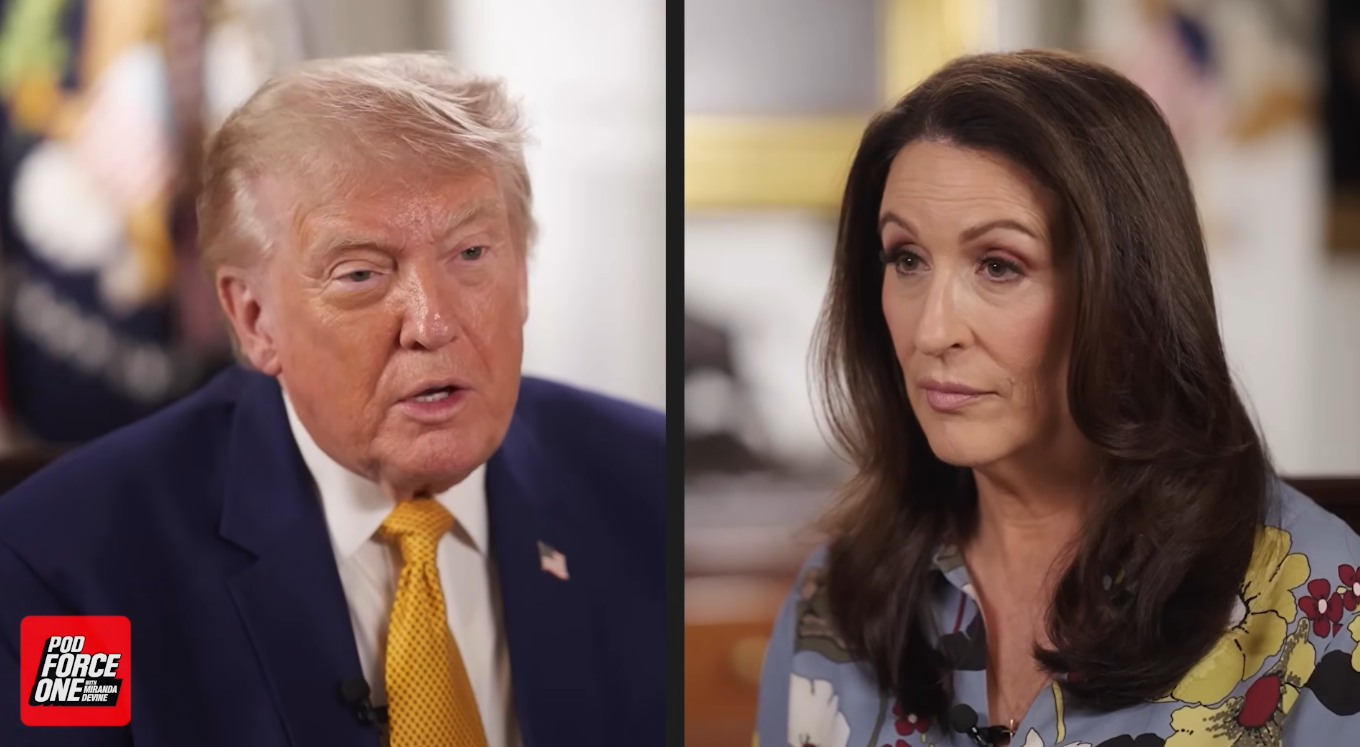
AP Beijing, June 3 — U.S. President Trump criticized Israeli Prime Minister Netanyahu after Israel escalated its military strikes on Lebanon. The Wall Street Journal on the 2nd analyzed that during the launch of military actions against Iran, U.S.-Israeli positions were highly aligned. However, a conflict has now arisen over how to end the war, as Trump worries that U.S.-Iran talks could “derail” and affect his voter support, while Netanyahu also faces domestic election pressure.
Iran has included ending the Israeli-Lebanese conflict as one of the ceasefire conditions in its talks with the U.S. The two sides have already been at odds over key issues such as Iran’s uranium enrichment and the Strait of Hormuz. Israel’s escalation of its military actions against Lebanon has brought new complications. According to unnamed American officials, Trump has been informed that the escalation of the Israeli-Lebanese conflict could lead to the derailment of U.S.-Iran negotiations.
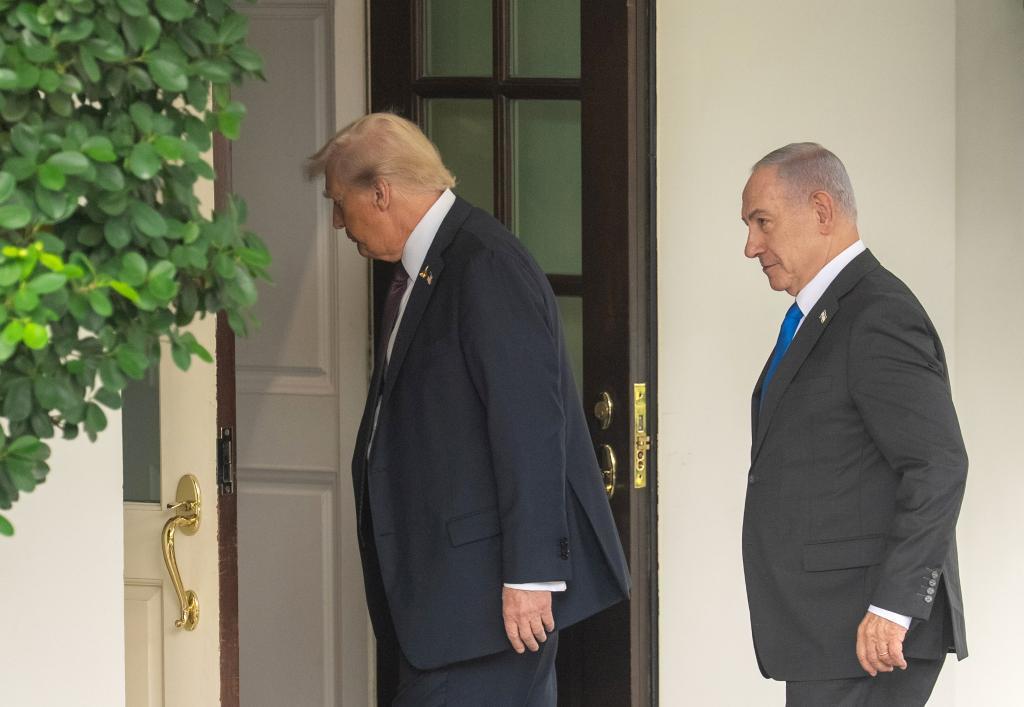
On September 29, 2025, Israeli Prime Minister Netanyahu visited the White House in Washington, D.C., the U.S. capital, and was welcomed by President Trump (left). Photo taken by Hu Yousong, Xinhua News Agency.
This was the reason for Trump’s two phone calls with Netanyahu on June 1. According to U.S. media reports, Trump was very “angry” during the calls, even swearing and calling Netanyahu “crazy.” He also used the corruption case to “pressure” Netanyahu, saying the latter would “go to prison” without his help.
The Wall Street Journal noted that Trump wants to reach a diplomatic deal that would get Iran to agree to the Strait of Hormuz resuming full shipping and handling its uranium stockpile, ending this war that has driven up U.S. energy prices and split his political camp. Netanyahu, on the other hand, faces pressure at home to escalate military operations against Lebanon. Both are facing elections this fall, but their respective voter bases have completely different expectations about the direction of the Iran conflict.
The report stated that Israel’s security apparatus views Iran as a threat to its survival and is concerned that Trump might agree to relax pressure on Iran before it makes significant concessions on the nuclear issue. Under U.S. pressure, Israel eventually agreed that if Hezbollah stops attacking Israeli towns, the Israeli military would not strike Beirut, the capital of Lebanon. However, statements from Israeli and Lebanese officials indicate that the Israeli military’s “ceasefire” does not include southern Lebanon. As of the 2nd, fighting in southern Lebanon continued. (By the Ocean)