Tensions between Israel and Iran are flaring up again, throwing the already fragile Middle East peace process into complete disarray.
Late on the evening of June 7, Iran launched a three-wave barrage of at least ten ballistic missiles directly at Israel. This move was a direct retaliation for what Tehran describes as repeated Israeli breaches of the ceasefire, alongside ongoing aggressive operations targeting both Lebanon and Iranian territory.
Marking Tehran’s first direct strike on Israel since the U.S.-brokered ceasefire roughly two months ago, the attack triggered air raid sirens across multiple northern Israeli cities, including Haifa, with residents reporting loud explosions overhead.
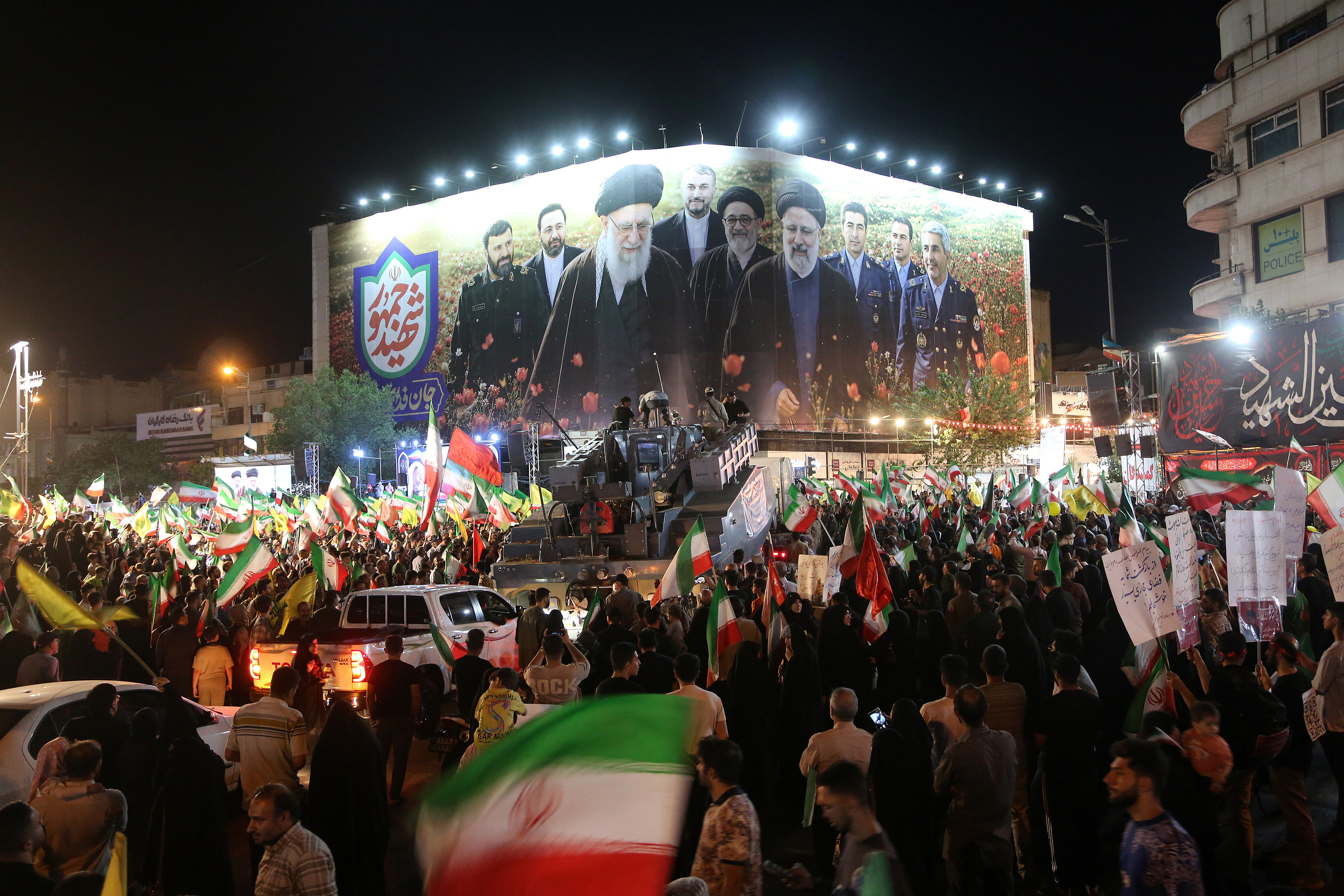
In an official statement, the Iranian Foreign Ministry condemned what it called a two-week campaign of maritime attacks against its southern shipping lanes and coastal targets, carried out by Israel alongside the United States. Tehran made it clear it will fiercely defend its sovereignty and national interests, issuing a stern warning that any further reckless moves against Iran or Lebanon will be met with overwhelming force.
According to a late-night briefing from the Israel Defense Forces on June 7, every single incoming missile was successfully intercepted. Israeli officials have been quick to respond, with one stating that Israel won’t tolerate Tehran trying to establish a new “balance of terror.” Another official confirmed that retaliation is already being planned, promising a “forceful and decisive response” to the missile barrage.
In the wake of the strikes, Israel’s Ministry of Education announced a nationwide school closure starting June 8. Meanwhile, the emergency response agency Magen David Adom reported that at least two people were injured while rushing to safety shelters.
Earlier that same day, the IDF warned that following their airstrikes on Beirut, military forces were on high alert and fully preparing for potential retaliatory attacks on Israeli soil within the next few hours.
Following the missile launch, Mohsen Rezaei, military advisor to Iran’s Supreme Leader, took to social media to reiterate Tehran’s long-standing position: they will absolutely not tolerate ceasefire violations or any aggression directed at Lebanon.
To understand how we got here, you have to look back to the 1947 UN Resolution 181, which proposed partitioning Palestine into separate Arab and Jewish states. With backing from Western powers, the Jewish state of Israel was established, while neighboring Arab nations strongly protested the plan, arguing it failed to secure their rightful land.
What followed was an immediate military response from an Arab coalition including Lebanon and Syria, igniting a cycle of conflict and territorial disputes that has unfortunately dragged on for decades.
U.S. President Trump has been fully briefed on the escalating standoff between Israel and Iran. During a recent interview, he pointed out that Iran’s latest strikes “do nothing to help the peace talks” and urged Tehran to get back to the negotiating table immediately.
He also expressed strong frustration over Israel’s recent airstrikes on Beirut. Trump revealed plans to call Prime Minister Netanyahu directly, urging him to hold his fire. His reasoning? A final U.S.-Iran deal is reportedly “just around the corner,” and he’s desperate to avoid letting the current flare-ups derail months of diplomatic progress.
Trump made it clear that Netanyahu will “have no choice but to accept whatever agreement is reached” between Washington and Tehran.
On the evening of June 7, the Chinese Embassy in Iran issued an urgent alert, advising all Chinese citizens currently in the country to heighten their personal security measures.
The advisory stresses that given the volatile situation, Chinese nationals should prepare emergency kits, stay updated, and register their status with local Chinese consular offices. If anyone encounters an emergency, they are instructed to contact local authorities immediately and reach out to the embassy for assistance.