

The Iran-US peace framework is now in effect, and bottlenecks in key global trade waterways are slowly clearing up. Multiple industry insiders point out that, in practical terms, reopening the strait remains a complex process that needs to be rolled out in stages.
According to the text of the memorandum of understanding disclosed by Iran’s official news agency IRNA, Iran will do its utmost to make arrangements allowing commercial vessels to transit free of charge from the Persian Gulf to the Sea of Oman within 60 days. Given that Iran needs to clear technical and military obstacles, as well as carry out necessary work like mine sweeping, normal traffic is expected to resume within 30 days.
Maritime data firm AXS Marine released data on June 19 showing that 25 ships crossed the strait the day before—the highest single-day traffic since mid-April.
Industry insiders generally expect that, due to the impact on global energy supplies, oil tankers and LNG carriers will get priority passage, while container ships and other cargo vessels may have to wait longer.
A report published earlier this week by commodity data analytics firm Kepler shows that about 118 fully loaded oil tankers are still stuck in the Persian Gulf, waiting to pass through the Strait of Hormuz, and it will take another 10 to 15 days to clear this backlog. If hundreds more ships line up to cross, the order of passage will be key to how quickly shipping recovers.
Goldman Sachs noted in a report that crude oil flow through the Strait of Hormuz may only recover to about 70% of pre-conflict levels, creating a new equilibrium. By the end of next month, shipping volumes will gradually pick up, and oil production in Gulf states should return to normal by October.
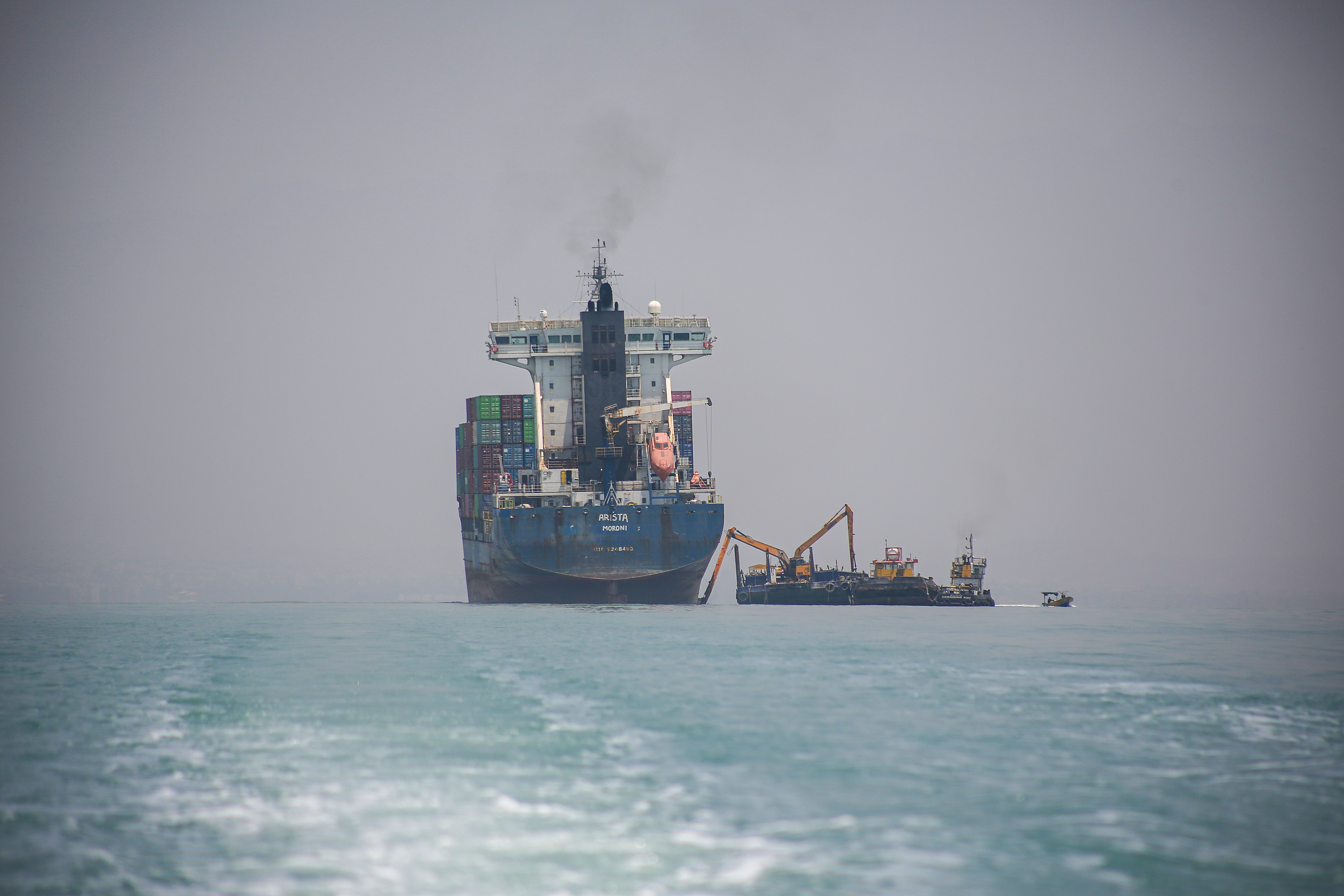
The Lloyd’s Market Association in the UK issued a statement saying that to get ships that have been stuck in the Persian Gulf for the past 110 days moving again, the first priority is to give shipowners and insurers stability and certainty. Due to misplaced vessels and disrupted supply chains, it will take months for international shipping to get back to something like normal.
On the other hand, there are still disagreements between the US and Iran over how the strait should be managed in the future. A member of Iran’s negotiation team stressed that Iran has basically finalized a management mechanism for the Strait of Hormuz with Oman, and will start charging fees for services provided in the strait after 60 days. A senior US official publicly stated that they expect the US-Iran memorandum to keep the Strait of Hormuz open long-term without any tolls.
Although the main deep-water shipping lanes of the Strait of Hormuz lie almost entirely within Oman’s territorial waters, Iran holds full control. The United Nations Convention on the Law of the Sea stipulates that countries bordering international straits cannot arbitrarily restrict or impose tolls on passage.
As early as March 30, Iran’s Parliamentary National Security Committee passed a bill to charge ships transiting the Strait of Hormuz. The plan includes setting up financial arrangements and a fee collection system in Iranian rials.
Last month, the Iranian government announced the establishment of a new body to manage the Strait of Hormuz called the “Persian Gulf Strait Authority.” Its core rule includes charging a “safety transit fee” to passing ships, and its sovereign oversight also extends to underwater pipelines and data cables crossing the strait. According to the authority’s transit requirements, ships must submit a crossing request at least 48 hours before arriving in the Strait of Hormuz area.
US intelligence agencies assess that Iran hopes to fund post-war reconstruction by charging fees to vessels passing through the Strait of Hormuz.
On June 16, Chinese Foreign Ministry spokesperson Lin Jian stated at a regular press conference that the Strait of Hormuz is an international waterway, and restoring safe and free passage as soon as possible is in everyone’s interest. International Energy Agency Director Fatih Birol also recently said that the Strait of Hormuz must be reopened unconditionally.
