On June 22, the same day UK Labour Prime Minister Keir Starmer announced his resignation, former Greater Manchester mayor Andy Burnham officially took his oath as the MP for Makerfield constituency in Parliament, completing his final step back into the House of Commons.
According to reports, Burnham won a by-election last week. Under British parliamentary rules, newly elected MPs must swear an oath of allegiance to the King before they can officially take their seat and gain voting and speaking rights in the Commons.
Earlier that day, Starmer stood outside 10 Downing Street and announced he would step down as Labour leader but would remain Prime Minister until a successor is chosen. Shortly after, Burnham declared his candidacy for Labour leader.
Over the past decade, from David Cameron to Keir Starmer, the UK has seen six prime ministers in a row—the most frequent turnover in nearly 200 years.The Labour Party has also been locked in internal battles between pro-Brexit and anti-Brexit factions. It wasn’t until the summer of 2024 that Starmer led Labour to a landslide victory, winning 412 seats in the Commons and ending the Conservatives’ 14-year reign.
The trigger for Starmer’s resignation was the local elections in England, Scotland, and Wales in early May. Both major parties—Labour and the Conservatives—took a hit, while smaller parties like Reform UK and the Greens gained ground. According to U.S. President Donald Trump, Starmer made serious missteps on two key issues: energy and immigration.
The long-term policy uncertainty that began with the Brexit referendum a decade ago has severely limited every government’s ability to pursue economic growth and long-term strategic planning.
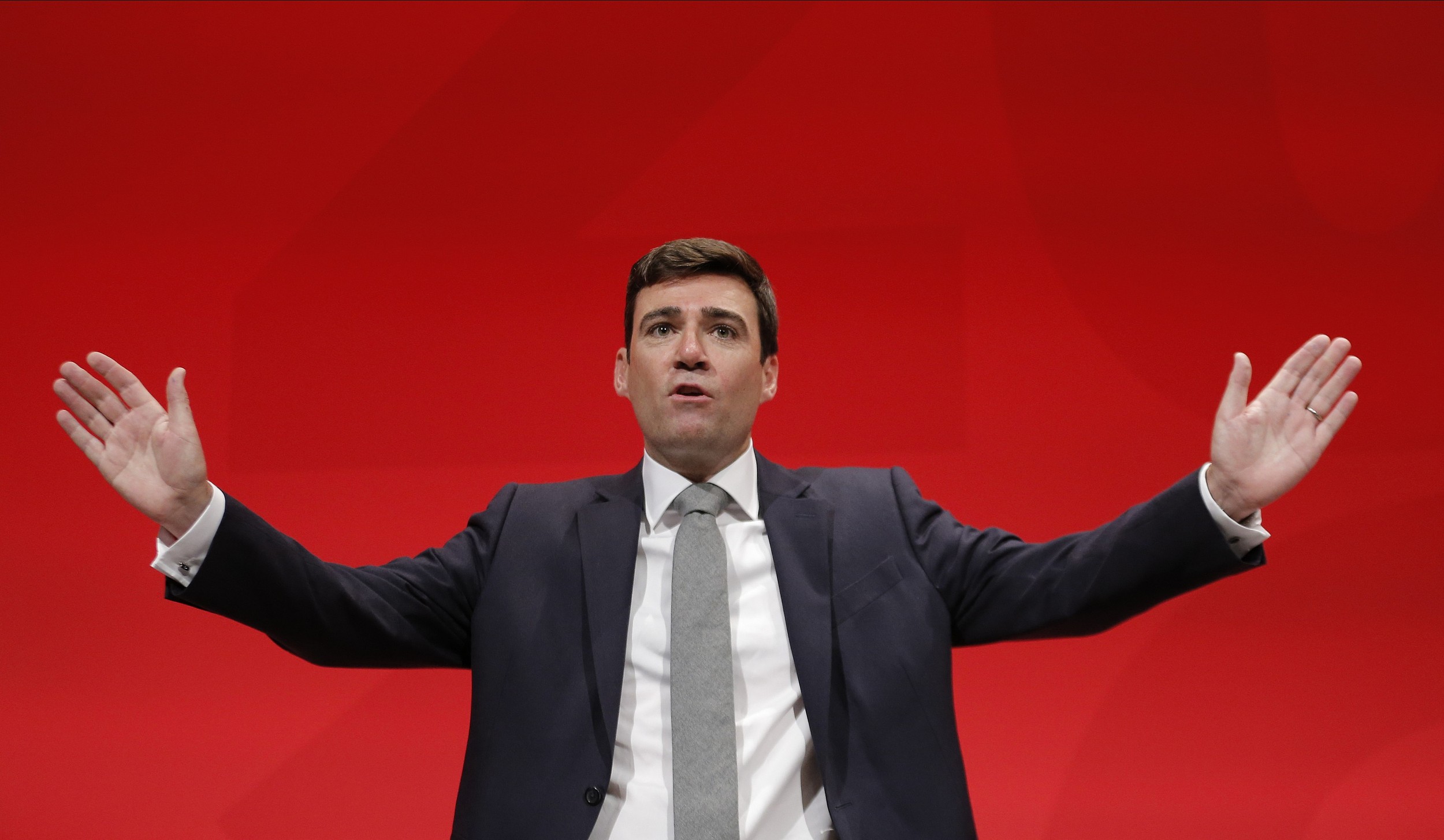
With several heavyweight Labour figures publicly throwing their support behind him, British media widely believe Burnham is now the top contender to replace Starmer and vie for the next prime minister position.
Public records show Burnham was born in 1970 to a working-class family in Liverpool. Both his parents were staunch left-wing Labour supporters. He joined the Labour Party himself at age 14. He has two younger brothers, both teachers in the Warrington area.
While studying English literature at Cambridge University, he met his Dutch wife, who works in marketing. The couple has three children.
During his time as Greater Manchester mayor, Burnham took a tough stance against the central government. Especially during the COVID-19 lockdowns, he publicly criticized then-Conservative Prime Minister Boris Johnson for imposing strict lockdowns on northern regions without providing enough financial support.
Burnham’s political stance is more left-leaning than Starmer’s. He advocates for “pro-business socialism,” emphasizing state intervention to lower energy bills and improve public services, while also trying to calm financial markets. He pushes for devolving power from London’s financial elite to local communities and for making public transport publicly owned. In public, he projects a more down-to-earth, non-traditional politician image.
When announcing his run for Labour leader yesterday, Burnham said he would focus on reversing the party’s declining support and fending off the rise of the right-wing populist Reform UK party.
Some analysts suggest Burnham could become the UK’s sixth prime minister in ten years. His rise signals a possible shift in British politics back toward a narrative focused on local livelihoods and away from London-centric priorities.
Other strong contenders include Health Secretary Wes Streeting and former Labour deputy leader Angela Rayner.
The Labour leadership election nomination process officially opens on July 9. Candidates need the support of at least 20% (81) of Labour MPs, as well as nominations from local constituency parties or affiliated organizations. If only one candidate meets these requirements, they are elected outright. If multiple candidates run, the final decision will be made by a vote of all Labour Party members. The transition is expected to be completed before Parliament reconvenes in September.