

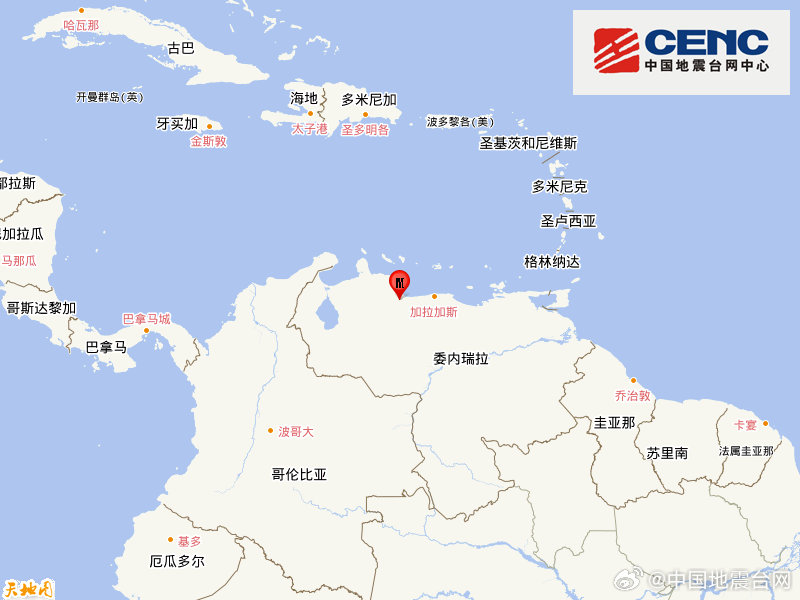
It was around 6:00 PM local time on June 24, 2026, when northern Venezuela’s coastal region was hit by two devastating earthquakes, both registering above 7.0 on the magnitude scale, striking just one minute apart. Both quakes had a shallow epicenter depth of 10 kilometers.
The epicenter was located near Morón, in Carabobo State, roughly 160 kilometers from the capital city, Caracas.
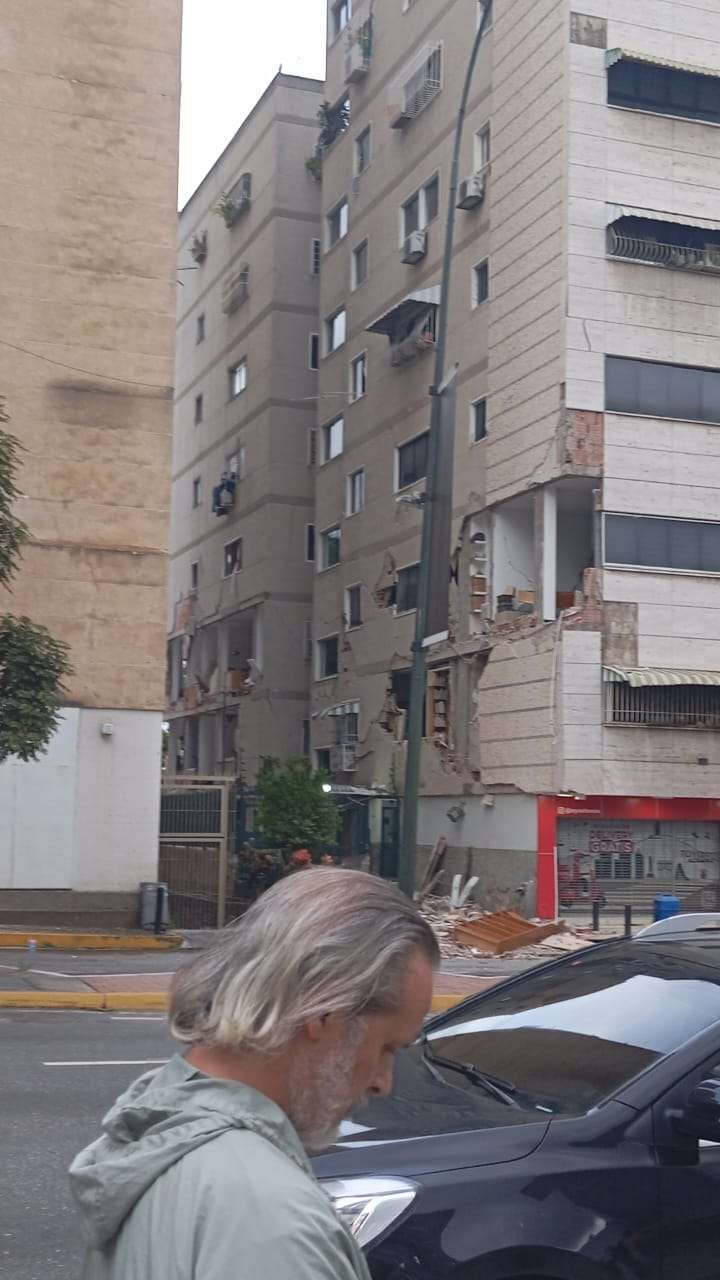
The tremors were felt across almost the entire country. Videos circulating on social media showed alarming scenes in Caracas: buildings collapsing, walls cracking, and infrastructure severely damaged. Residents were seen fleeing into the streets for safety.
Even the Simón Bolívar International Airport near the capital sustained internal damage. The shaking was so powerful it was even felt in neighboring Colombia.
Acting President Rodríguez declared a state of emergency, and the main international airport in Caracas has been shut down. As of now, official figures on casualties and property damage have not yet been released.
I spoke with María Gabriela García, a local accountant, who shared her harrowing experience during the quake and gave us a glimpse into the current situation in the capital.

María was inside a shopping mall when the ground suddenly began to shake violently. Bricks started falling from the ceiling, and panic set in. People scrambled to find a safe spot.
Her group lost cell service immediately, making it impossible to contact family or check news updates. With aftershocks continuing, everyone stayed outside. Out of an abundance of caution, neighbors remained outdoors until around 8:00 PM before finally heading home.
Many buildings in Caracas suffered severe damage, particularly in the eastern Altamira district and the central San Bernardino area. One of María’s cousins lives in a building in Altamira that was among those heavily impacted.
According to María, Caracas last experienced a significant earthquake in 1967, meaning most people here were completely unprepared for such a modern disaster.
Additionally, about 28 kilometers from the epicenter lies Montalban, home to some of Venezuela’s largest oil refineries. It remains unclear how much damage has been done to these critical facilities.
Venezuela’s Ministry of Communication and Information stated that security forces have been deployed nationwide to handle the emergency, especially since many structures are at risk of collapsing. The government has also authorized the immediate shut-off of natural gas supplies to certain buildings to prevent explosions.
Following the quake, the US Tsunami Warning System issued alerts for coastal areas within a 300-kilometer radius of the epicenter. While catastrophic loss of life is feared, estimates vary widely, with some preliminary projections suggesting the death toll could range significantly, alongside massive structural destruction and economic losses.
The Chinese Embassy in Venezuela issued a statement on the evening of June 24, urging Chinese citizens in the country to stay alert to local earthquake warnings and disaster updates. They advised maintaining calm, ensuring personal safety, and keeping communication devices charged and accessible. Residents in affected areas were strongly advised to move away from the coast immediately and seek shelter in safe zones.
Geologically, northern Venezuela sits at the collision zone between the Caribbean Plate and the South American Plate. The region is crisscrossed by numerous active fault lines, causing continuous accumulation of crustal energy. This makes seismic activity in the area highly frequent and cyclical.
History shows this isn’t the first time the region has suffered. The devastating 7.7 magnitude earthquake in 1812 destroyed about 90% of the buildings in Caracas. More recently, the 1967 Caracas earthquake, ranging between 6.5 and 6.7, caused hundreds of casualties.

