On June 29, the first meeting of the joint working group on Oman and Iran convened in Muscat, the Omani capital, to discuss the future management of the Strait of Hormuz and related issues. Both sides exchanged views and reaffirmed their commitment to adhering to international law.
Later that day, the Omani Ministry of Foreign Affairs released excerpts from an interview with Foreign Minister Bader. In the interview, he clearly stated that Oman does not support the imposition of tolls or transit fees on ships passing through the strait.
Bader suggested drawing lessons from practices in other straits to enhance navigation safety, improve emergency response capabilities for maritime accidents, and prevent marine pollution. Such arrangements would be developed in consultation with countries using the Hormuz Strait and shipping companies, with the primary goal of avoiding additional burdens on global trade.
Although most of the main deep-water navigation areas of the Strait of Hormuz lie within Oman’s territorial waters, Iran holds de facto control. The United Nations Convention on the Law of the Sea (UNCLOS) stipulates that coastal states of international straits cannot arbitrarily restrict passage or impose tolls.
According to assessments by U.S. intelligence agencies, Iran hopes to generate revenue by charging “service fees” to vessels transiting the Hormuz Strait to aid in post-war reconstruction. Iran estimates that if fees were charged for safety and environmental services, it could generate $40 billion annually for the relevant countries.
Iran has repeatedly stated that it plans to collect “maritime service fees” rather than transit tolls. These “service fees” are intended to compensate for the costs of maritime security services such as navigation, search and rescue, and pollution prevention. The fees would be tiered based on ship tonnage, type, and cargo, with higher rates for large, high-risk vessels like oil tankers compared to ordinary cargo ships.
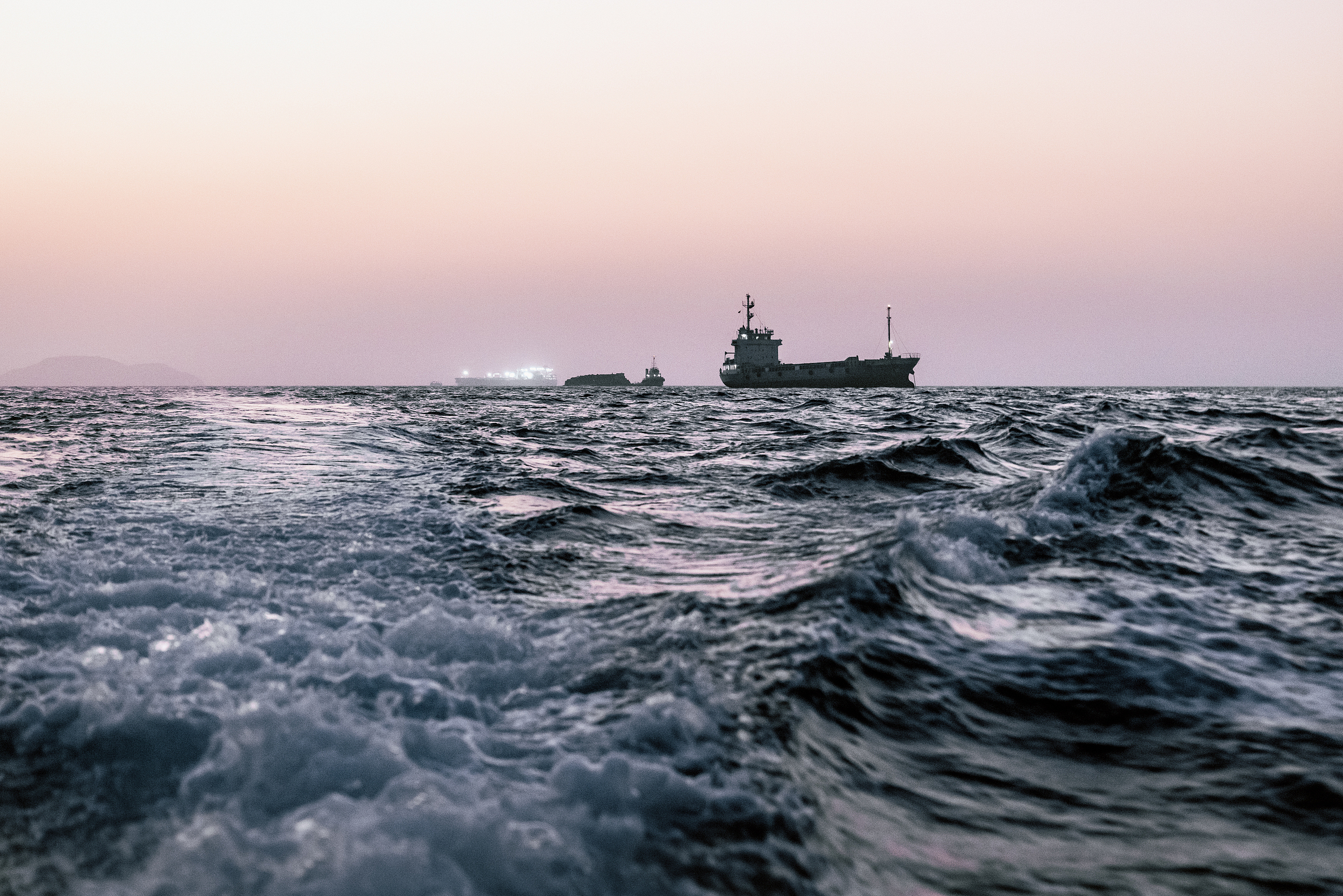
Iran hopes to gradually implement this through consultation with coastal states like Oman, building a consensus among Gulf states within the framework of international law. However, this stance has faced opposition from multiple parties.
Last month, the Iranian government announced the establishment of a new body, the “Persian Gulf Strait Authority,” to manage the Hormuz Strait. Its core regulations include collecting “security transit fees” from passing vessels, with sovereign regulatory power extending to submarine pipelines and data cables passing through the strait.
On June 16, Chinese Foreign Ministry spokesperson Lin Jian stated at a regular press conference that the Strait of Hormuz is a strait used for international navigation, and the early restoration of safe and free passage is in the interest of all parties. Recently, Energy Minister Fatih Birol also emphasized that the Strait of Hormuz must be reopened unconditionally.
Currently, the Strait of Hormuz has effectively formed a “dual-channel parallel” passage mode, controlled separately by Oman and Iran.
Iran maintains that all vessels transiting the Hormuz Strait must still coordinate with the Iranian Islamic Revolutionary Guard Corps. It has also published recommended navigation routes: the safest route for ships entering the Persian Gulf is south of Iran’s Hormuz Island, while ships leaving the Persian Gulf should use the channel south of Iran’s Larak Island.
On June 25, Bader explicitly emphasized at a joint ministerial meeting between the Gulf Cooperation Council (GCC) member states and the United States that any future arrangements regarding the Strait of Hormuz will not involve the collection of any transit fees.
Tensions between the U.S. and Iran escalated again last week after a merchant vessel was attacked in the Strait of Hormuz. This incident halted the planned resumption of technical talks between the two countries in Switzerland, originally scheduled for June 28, as the Iranian representative did not attend.
The U.S. and Iran have agreed to stop mutual attacks and plan to hold a meeting in Doha, Qatar, on June 30, to resolve the dispute over the Strait of Hormuz. While technical talks continue, ships can freely navigate the Strait of Hormuz.