

On July 14, Eastern Time, President Trump posted on the social media platform “Truth Social” that, following “productive talks” with Middle Eastern leaders, he was scrapping the “20% US compensation fee” plan. Instead, Gulf countries would move forward with trade and investment deals with the United States.
“America is winning like never before,” Trump stated. “These investments will be enormous and will greatly benefit these nations and their futures. Factories, facilities, and equipment will pour into the U.S. at an unprecedented scale, creating millions of high-paying jobs.”
Later that day, U.S. Energy Secretary Rick Perry confirmed that no tolls would be imposed at the Strait of Hormuz. He emphasized that the U.S. must ensure free oil flow through the Gulf, and the 20% fee proposal was off the table, no longer under discussion.
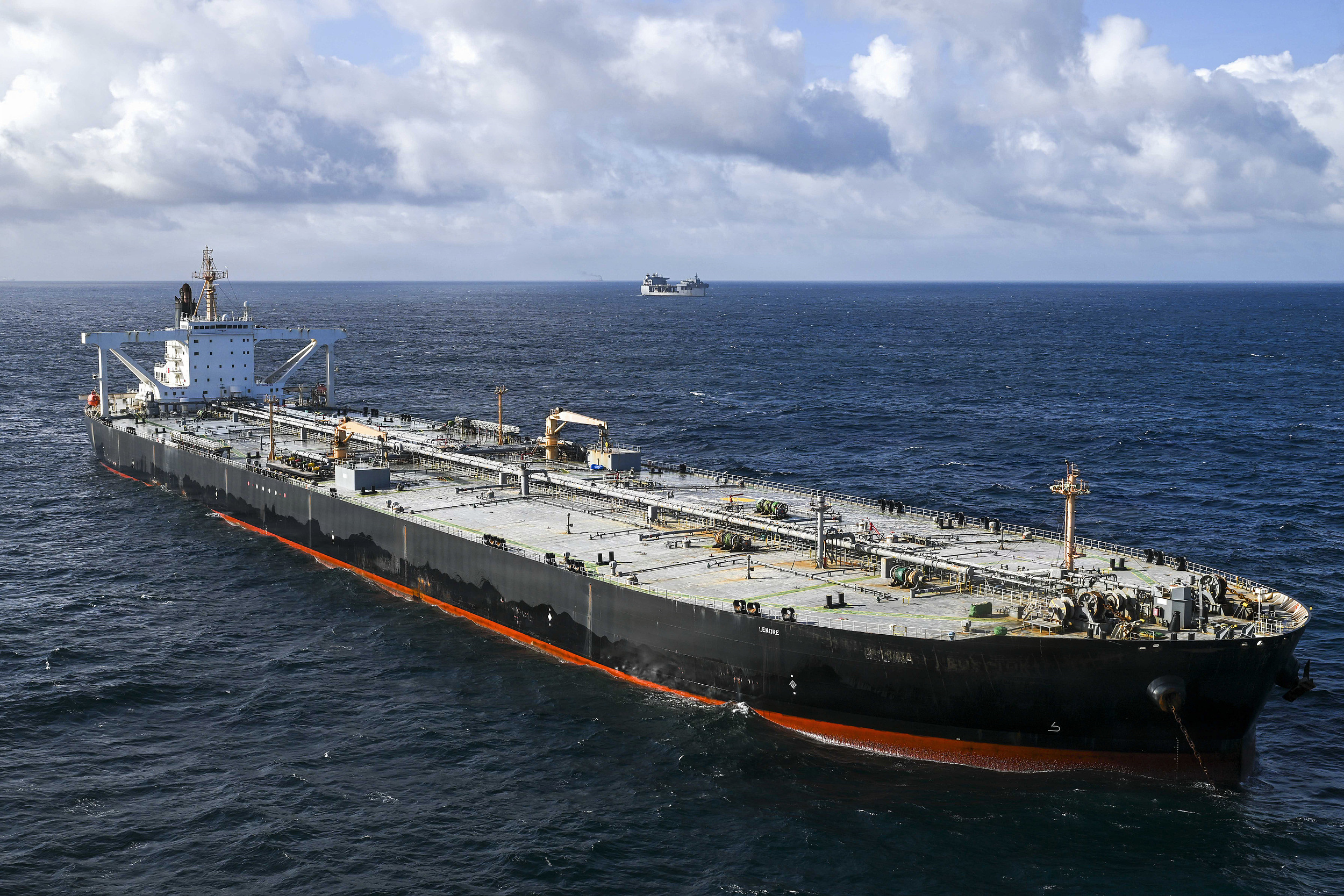
Just a day earlier, tensions around the global oil chokepoint had escalated sharply. Trump had posted on social media, confirming the U.S. would reinstate a naval blockade of Iran and impose a 20% fee on all cargo transiting the Strait of Hormuz.
In response, the Iranian parliament formally introduced the “Strait of Hormuz and Persian Gulf Security and Sustainable Process Strategic Action” bill. Aziz, head of the Iranian parliament’s National Security and Foreign Policy Committee, wrote on social media on July 14 that this bill is the first step in Tehran’s red line for managing the strait, with more measures to follow.
The bill’s core provisions include: Iran’s government, in coordination with its armed forces, will provide navigation guidance, channel inspections, and compliance assessments for transiting vessels, and has the authority to ban ships linked to hostile nations. It also requires vessel owners or insurers to open Rial accounts with Iranian financial institutions.
The bill now moves to a parliamentary committee for review, followed by a full vote and final approval from the Guardian Council. No timeline has been set.
While the main deep-water channels of the Strait of Hormuz lie almost entirely within Oman’s territorial waters, Iran holds significant control over the waterway.U.S. intelligence assessments indicate that Tehran aims to use fees from ships passing through the strait to fund post-war reconstruction.
After the war, Iran’s top decision-makers have recognized the Strait of Hormuz as a major card in its game with the U.S.—perhaps even more crucial than its nuclear program.
Meanwhile, as hostilities reignite, the window for negotiations appears to be closing, with rising animosity on both sides.
U.S. forces have continued airstrikes on multiple locations in Iran. The U.S. Central Command confirmed that a new wave of strikes began at 3:00 PM Eastern Time on July 14 (10:30 PM Tehran time). Explosions were reported on Iran’s Hengam Island and near the port of Bandar Abbas.
The U.S. military is also preparing to reinstate a naval blockade of Iranian ports and coastal areas, which was set to take effect at 4:00 PM Eastern Time on July 14 (11:30 PM Tehran time). The previous night, on July 13, the U.S. had launched its “third consecutive night” of strikes against Iran.
Trump indicated that strikes on Iran’s energy infrastructure would be saved for last. He added that the U.S. held talks with Iran on July 14, urging Tehran to reach a deal.
As of now, Iran has not responded to the talks. However, Iran’s military issued a statement saying it had launched drone strikes on U.S. bases in the region. The Azrak base in Jordan was hit by Iranian suicide drones, targeting F-18 deployment areas, barracks, and large equipment warehouses.
More than 180 Iranian lawmakers signed a statement calling for “revenge” and “punishment” against those responsible for attacks on Iran. They urged state bodies to take a firm stance, enhance deterrent capabilities, and fast-track legislation like the Strait of Hormuz management bill. They also pledged full support for Iran’s armed forces. The number of signatories is still growing.
In a TV interview, Iran’s deputy foreign minister stated that, under wartime conditions, Iran’s control must extend across the entire Strait of Hormuz, not just its own side.