

On July 14, Federal Reserve Chair Walsh made it crystal clear during his semi-annual monetary policy testimony before the House Financial Services Committee that he’s dead serious about hitting inflation targets and won’t let politics get in the way.
Walsh said members of the Federal Open Market Committee have zero tolerance for high inflation and are fully committed to restoring price stability, reiterating their promise to curb inflation that’s been running hot for five years.
Since taking office in May, Walsh has consistently stressed that getting monetary policy right is his top priority. Meanwhile, several Fed policymakers have warned that interest rates might need to go higher to contain inflation.
Earlier that day, a surprising cooling of U.S. inflation became a major turning point, with traders sharply scaling back bets on Fed rate hikes. Market expectations for a July rate increase plummeted from 42% to 12%, though the probability of a September hike still hovered at a high 53%.
Data from the Bureau of Labor Statistics showed the June Consumer Price Index rose 3.5% year-over-year, below the 3.8% market forecast and a clear drop from the previous 4.2%. Core CPI increased 2.6% year-over-year, also missing the expected 2.8% and prior 2.9%.
CITIC Securities still expects the Fed to hold steady all year, suggesting there’s room for further downward revision in derivative pricing for rate hikes. They argue U.S. Treasuries aren’t ripe for a strategic buying opportunity just yet, with short-term bonds looking better than long-term ones. The dollar index may struggle to keep climbing but has support, and the tech-focused rally in U.S. stocks remains attractive.
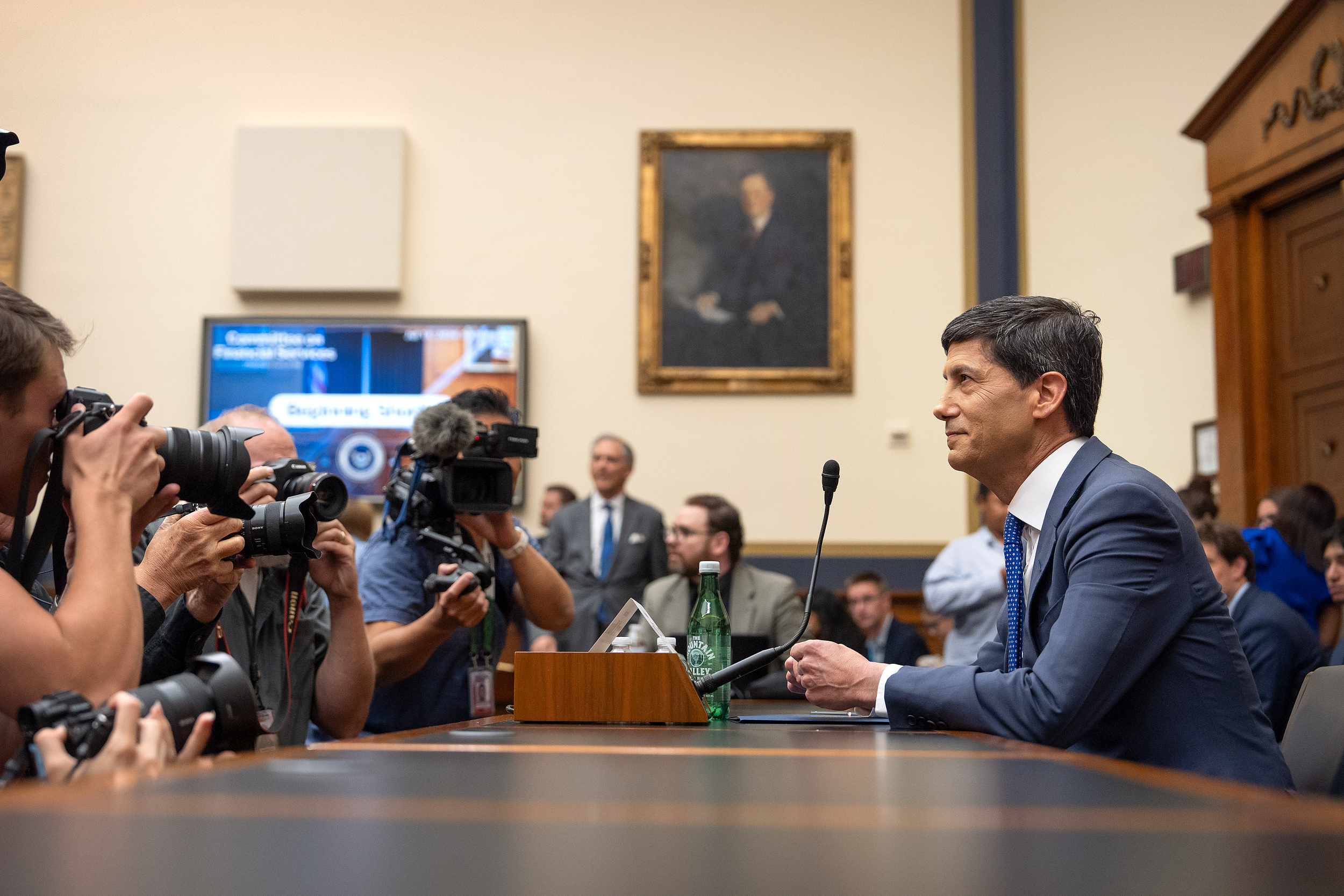
When asked how he’d respond if President Trump kept targeting the Fed—like trying to fire a Fed governor—Walsh was blunt: the Fed’s independence is sacred. Even under White House pressure to cut rates, he said policy will strictly follow economic data and won’t bow to political interference.
Trump has been leaning on the Fed to lower borrowing costs. Walsh’s rare, firm stance largely eased market fears that he might cave to Trump’s demands for easier policy.
In another first, Walsh publicly flagged massive AI investments as a key variable affecting core inflation, saying the Fed is closely tracking how AI infrastructure buildout is impacting semiconductors and the labor market, and warning this factor could push inflation higher down the road.
Earlier, markets widely expected Walsh to roll out a policy mix of “gradual rate cuts + faster balance sheet reduction + reforming the inflation framework” after taking office. As early as his Senate confirmation hearing and last month’s FOMC press conference, Walsh repeatedly emphasized the big shift toward reshaping the Fed’s communication framework.
Last week, the Fed announced the creation of five working groups focused on policy communication, balance sheet policy, economic data, productivity and employment, and the inflation framework. The teams are led by well-known scholars, former central bankers, and corporate executives.
The “productivity and employment” group is the most emblematic of our times, bringing Silicon Valley insiders directly into the central bank’s top decision-making circle. They’ll assess how new general-purpose technologies, including AI, impact the economy, providing input for Fed policy judgments.
Walsh also told the committee that another working group, focused on balance sheet policy, will review the Fed’s interest rate policy framework over the past 20 years. This review of the Fed’s $6.8 trillion balance sheet management policy will also cover the so-called “ample reserves” regime.