

At least three sources have revealed that Iran has asked Yemen’s Houthi rebels to get ready to block the Red Sea oil route if the U.S. military strikes Iran’s power or other infrastructure, as recently threatened by President Trump.
The Houthis and Iran both belong to the Shia branch of Islam, and the Houthis have deep local roots in northern Yemen. The Iranian Islamic Revolutionary Guard Corps is the Houthis’ main external backer. The Houthis have used the window of the U.S.-Iran conflict to expand their influence, while Iran uses the Red Sea shipping lanes under Houthi control, creating a symbiotic “one prospers, all prosper” alliance.
According to reports, Iranian leadership has internally discussed this plan and communicated it to the Houthis. A source close to the Houthis said they are “fully prepared: they’ve deployed missiles and drones around the Bab el-Mandeb Strait, the gateway to the Red Sea, and in the highlands of Yemen overlooking Hodeidah and the Gulf of Aden. They’re just waiting for the order to act.”
The Bab el-Mandeb Strait connects the Red Sea to the Gulf of Aden. It’s a vital “chokepoint” linking the Atlantic, Mediterranean, and Indian Oceans, often called a “water corridor” between Europe, Asia, and Africa. According to Qatari sources, maritime trade passing through the strait accounts for 11% of global sea trade. If the Houthis block this Red Sea route, it would shut down both of the Middle East’s main oil export channels at the same time.
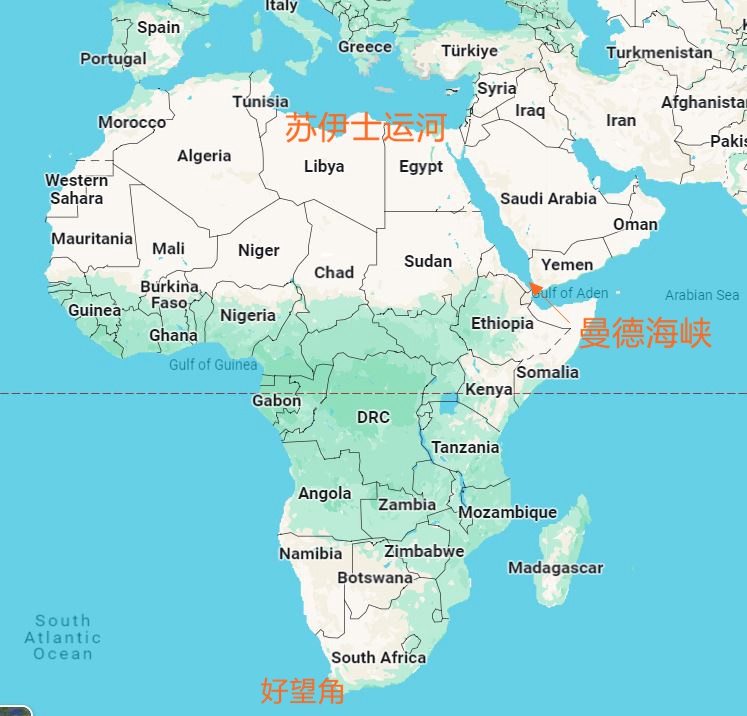
The Bab el-Mandeb Strait is about 2,500 kilometers in a straight line from the Strait of Hormuz, which is controlled by the Iranian military.
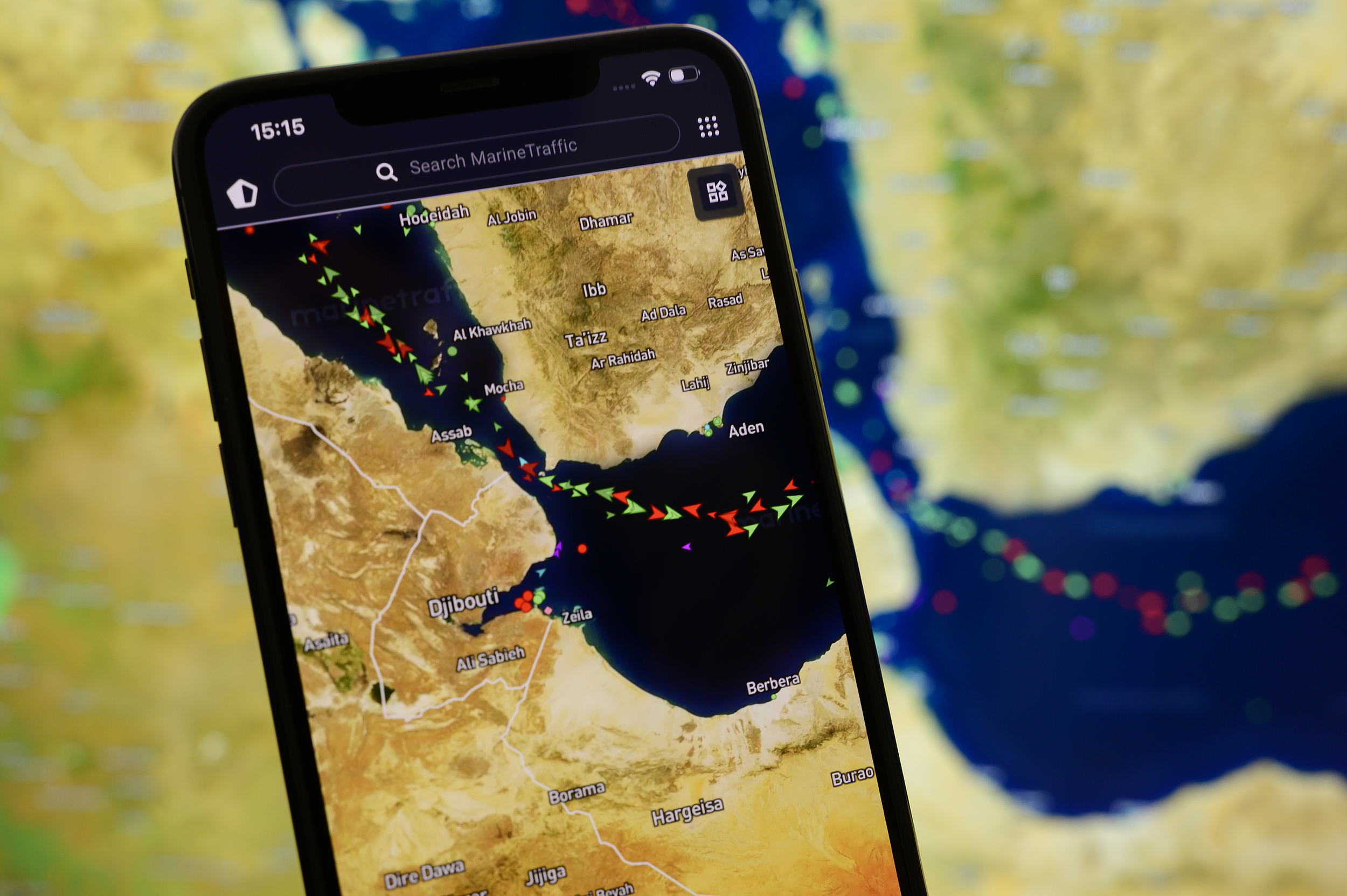
Since the civil war in Yemen erupted in 2014, the Houthis have gradually taken control of key ports along the Red Sea coast, including Hodeidah and Salif. In 2019, they launched missile and drone attacks from northern Yemen at Saudi oil fields in the east, cutting Saudi oil production in half and sending global oil prices soaring.
After the Israeli-Palestinian conflict erupted in October 2023, the Houthis began frequently attacking ships linked to Israel passing through the Red Sea and Gulf of Aden using drones and missiles.
The Houthis’ arsenal mainly consists of missiles, drones, and rockets—they don’t have a proper navy with warships. Due to this lack of equipment, many experts previously thought they couldn’t completely seal off the Bab el-Mandeb Strait. At the height of Yemen’s civil war, the group threatened to fully block the strait but never followed through.
The UK Maritime Trade Operations Center recently warned that given the regional conflict and the Houthis’ hostile stance toward commercial shipping, security threats remain on both sides of the Red Sea. Ships from any country could be the next target, or caught in the crossfire.
Earlier this month, Russian Security Council Deputy Chairman Medvedev warned during a farewell and memorial ceremony for Khamenei that besides the Strait of Hormuz, Iran has another “thermonuclear weapon” in its pocket—the Bab el-Mandeb Strait. If a military conflict erupts, this strait could be blocked, cutting off all oil and other transport routes. He urged all countries trying to stir up conflict in the region to keep that in mind.
On July 14, Trump threatened that if Iran still refuses to return to the negotiating table next week, the U.S. military will bomb Iran’s power plants and bridges. He also publicly stated he wouldn’t rule out sending ground troops into Iran.
Houthi political bureau member Mohammed al-Falah said that if both the Bab el-Mandeb and Hormuz straits are effectively closed, international crude oil prices could skyrocket to $200 per barrel.
On the flip side, the Red Sea has two major transport arteries: the Suez Canal in the north and the Bab el-Mandeb Strait in the south. About 30% of global container traffic passes through the Suez Canal. If major shipping companies suspend Red Sea transit, it would further drive up shipping costs, creating a ripple effect on product prices.
Ships avoiding the Red Sea and rerouting around the Cape of Good Hope would increase both travel time and costs. Industry insiders say that depending on the destination and sailing speed, rerouting via the Cape of Good Hope could add two weeks to a month to transit times, and increase the cost per cargo ship by $400,000 to $1 million.