

On July 20, a Houthi spokesperson announced a naval blockade on Saudi Arabia, though the specifics on how and where it will be enforced haven’t been fully detailed yet.
The spokesperson said this action is a direct response to Saudi Arabia’s nearly 12-year siege on Yemeni ports and airports, as well as the recent airstrike on Sanaa International Airport.
The Houthis, who share Shia Islam ties with Iran, have deep local roots in northern Yemen. Iran’s Islamic Revolutionary Guard Corps is their main external backer. This alliance has grown stronger as the Houthis expand their influence through the Red Sea shipping lane, while Iran gets a strategic foothold.
Religious differences, regional power struggles, and clashing core interests have fueled the conflict between the Houthis and Saudi Arabia since 2015, and it’s now heating up again.
The Bab el-Mandeb Strait, controlled by the Houthis, connects the Red Sea and the Gulf of Aden. It’s a vital sea route linking the Atlantic, Mediterranean, and Indian Oceans—often called a “water corridor” between Europe, Asia, and Africa. According to Qatari sources, trade passing through this strait accounts for 11% of global maritime trade.
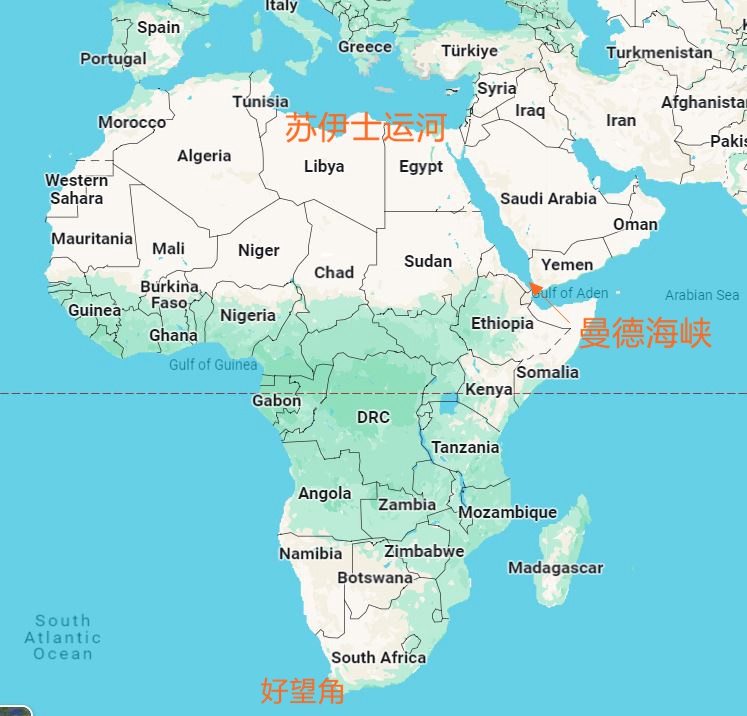
The Bab el-Mandeb Strait is a critical choke point for Saudi energy exports. Data from China’s Ministry of Foreign Affairs shows Saudi Arabia holds 267.2 billion barrels of proven oil reserves (second globally) and 6 trillion cubic meters of natural gas (about 3.2% of world reserves). Oil revenue makes up 68% of the country’s fiscal income and 27% of its GDP.
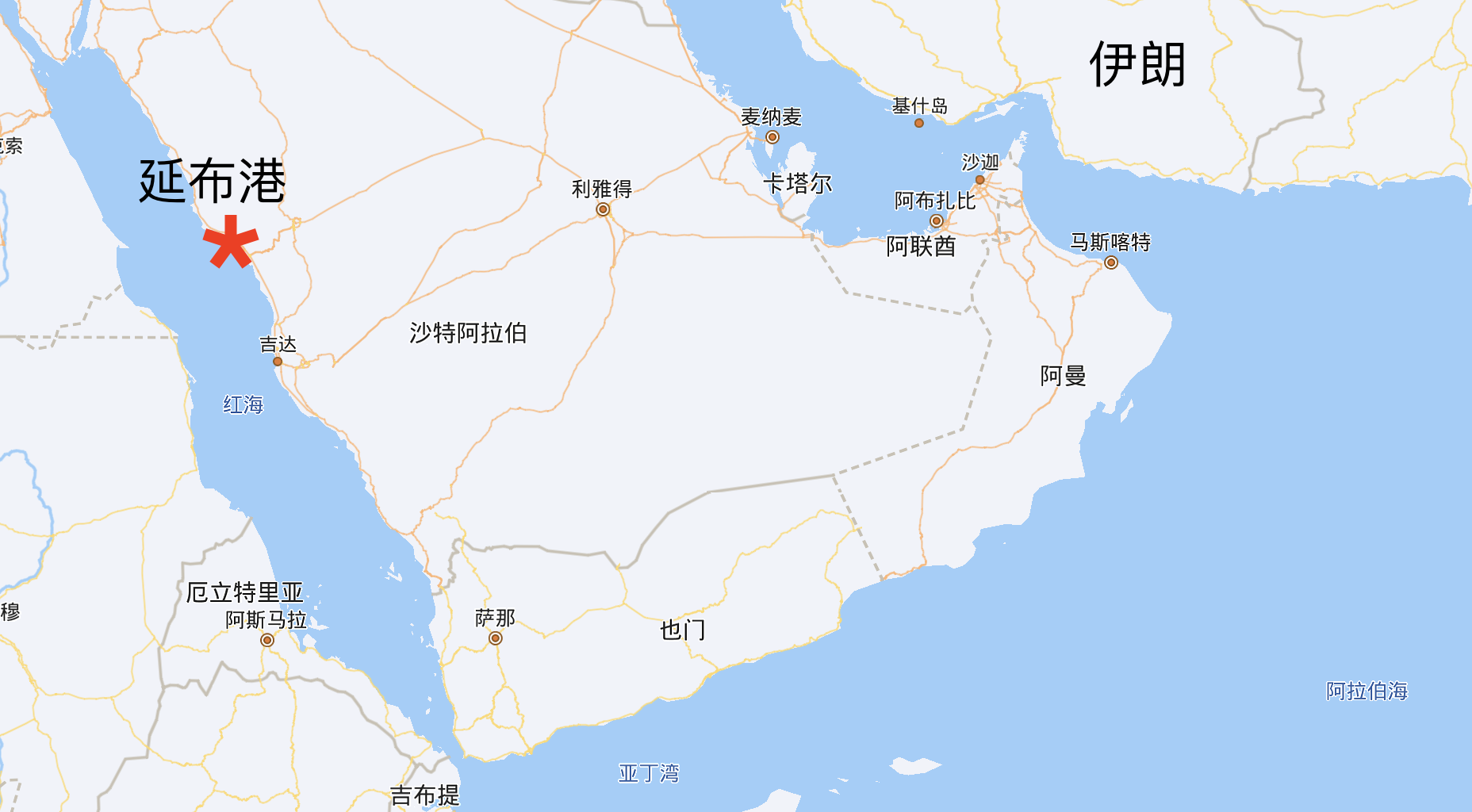
To bypass the troubled Strait of Hormuz after tensions with Iran erupted, Saudi Aramco uses a cross-country pipeline to move crude from the eastern Persian Gulf fields to the Red Sea port of Yanbu. This pipeline can handle up to 7 million barrels per day, with about 5 million barrels for export. Saudi Arabia has also ramped up exports through the Bab el-Mandeb Strait, with data showing Yanbu’s daily crude shipments recently nearing peak capacity.
The Houthi threat has immediately raised safety concerns for Red Sea shipping, adding to the uncertainty around the Strait of Hormuz and straining global energy supplies even further.
At least three sources revealed last week that Iran has asked the Houthis to be ready to block Red Sea oil routes if the U.S. attacks Iranian infrastructure, following threats from President Trump.
A source close to the Houthis said they’re “fully prepared: missiles and drones are deployed around the Bab el-Mandeb Strait and in Yemeni highlands overlooking Hodeidah and the Gulf of Aden, just waiting for the order to act.”
Market analysts point out that both the Bab el-Mandeb and Hormuz straits are key for Saudi oil exports. If both get blocked, Saudi Arabia would be unable to ship its oil and gas to major markets.
Much like the situation at the Strait of Hormuz, a Houthi blockade would drive up global energy and shipping costs, disrupt supply chains, and escalate regional conflicts. Under the Shaba Defense Treaty, Pakistan might be dragged into the fight, pushing the already fragile Middle East situation toward the brink.
The Houthis rely mainly on missiles, drones, and rockets—they don’t have a real navy. Given their lack of proper naval vessels, many experts previously doubted they could fully blockade the Bab el-Mandeb Strait. During the peak of Yemen’s civil war, they threatened such a blockade but never followed through.
Earlier this month, Russian Security Council Deputy Chairman Dmitry Medvedev warned that besides the Strait of Hormuz, Iran has another “thermonuclear weapon”—the Bab el-Mandeb Strait. In a military conflict, this strait could be shut down, cutting off all oil and transport routes.
Houthi Political Bureau member Mohammed Al-Falah said that if both the Bab el-Mandeb and Hormuz straits are effectively closed, global oil prices could skyrocket to $200 per barrel.