

On the morning of July 20, local time, the newly elected leader of the UK’s ruling Labour Party, Burnham, met with King Charles III at Buckingham Palace. He was officially appointed as the new Prime Minister and authorized to form a new cabinet. Following the meeting, Burnham is set to deliver his first speech as Prime Minister from Downing Street.
Last week, in his inaugural address as party leader, Burnham vowed to “forge a new political landscape” and shift the “political direction.” He emphasized that the Labour government should make people “believe we can build this country better” and “drive the UK forward as a whole.” He also stressed his government’s commitment to revitalizing the economy, strengthening public sector management, and devolving more power to local communities.
At 56, Burnham previously served as the Mayor of Greater Manchester. He was born into an ordinary working-class family in Liverpool, with both parents being staunch left-wing Labour supporters. He joined the Labour Party at the age of 14. While studying English literature at Cambridge University, he met his Dutch wife, who works in marketing. The couple has three children together.
Overall, Burnham is seen as a mild-mannered, left-leaning populist politician whose support base lies among the working class. During his tenure as Mayor of Greater Manchester, he took a tough stance against the central government. For instance, during the COVID-19 lockdowns, he publicly criticized then-Conservative Prime Minister Johnson for enforcing strict lockdowns in northern regions without providing sufficient financial support.
Burnham’s political stance is more left-wing than Starmer’s. He advocates for “pro-business socialism,” emphasizing state intervention to lower energy bills and improve public services, while also trying to reassure financial markets. He champions transferring power from London’s financial elite to local areas and promoting the public ownership of transportation. In public, he projects a more relatable, non-traditional political image.
Last month, when announcing his candidacy for the Labour leadership, Burnham unveiled key people-first reform measures. These include establishing a “Number 10 Northern Branch” to devolve decision-making power over housing, transportation, and education from the central government to local areas. He also aims to reclaim control over essential sectors like energy, addressing the monopoly and high living costs resulting from long-term privatization.
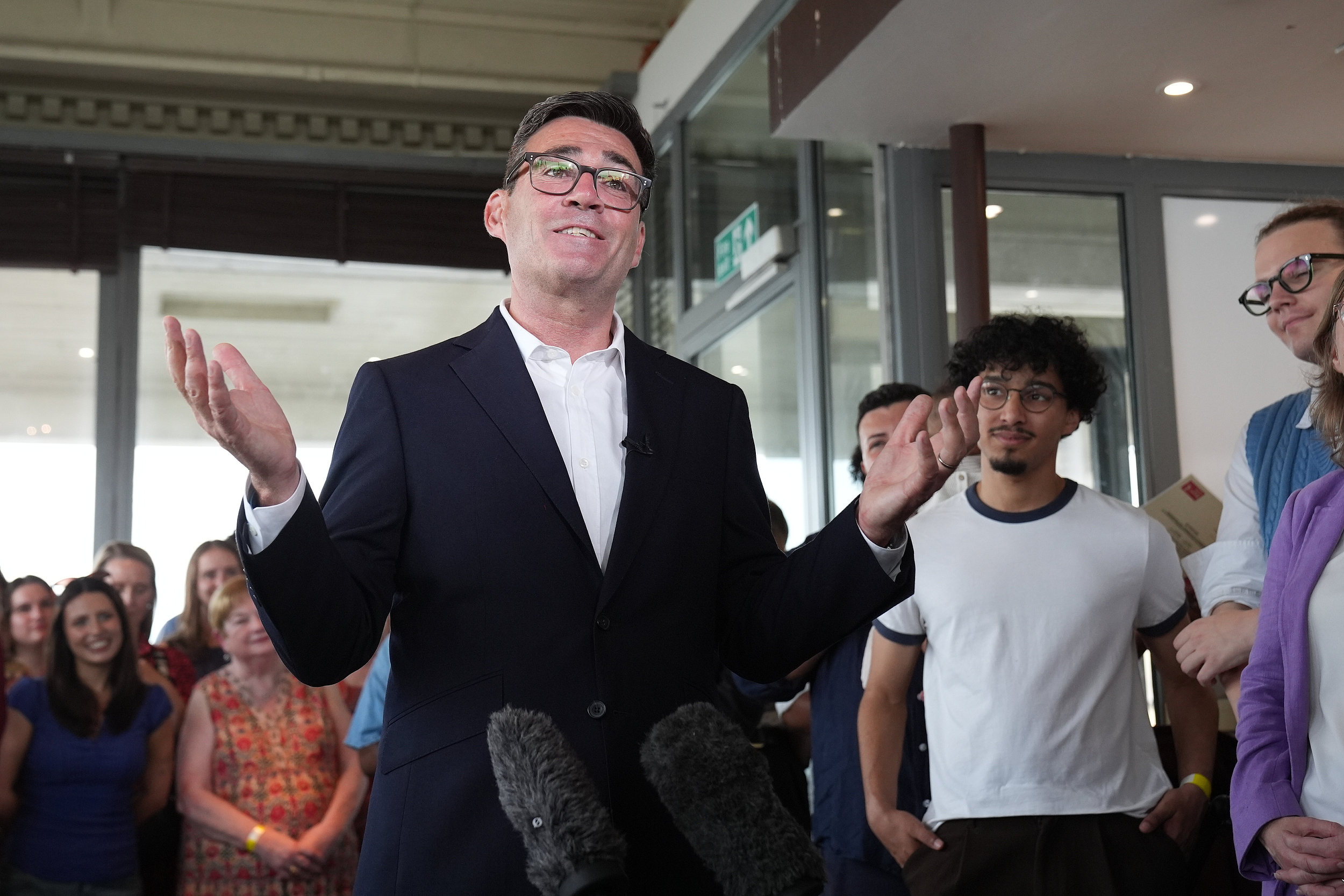
After two failed attempts to become Labour leader, Burnham rooted himself in northern England, directly representing the core interests of the region. Polls show he significantly outperforms Reform UK leader Farage on personal metrics like “understanding ordinary voters” and “honesty.” Many voters hope he can fulfill his promises to narrow the north-south wealth gap and reduce the cost of living.
Currently, there’s no clear evidence that Burnham will take an extreme stance against international economic cooperation. He supports the UK’s integration into the global economy to reap development benefits. As Mayor of Greater Manchester, he actively attracted foreign investment and engaged in international technical collaborations in areas like graphene and advanced manufacturing.
At the same time, given his relative inexperience in foreign affairs, Burnham is expected to maintain the special US-UK relationship while seeking a diplomatic balance among major powers in the short term.
Some analysts point out that Burnham has built a reputation as a dynamic reformer during his time as a local official, entering office with high expectations and considerable political capital, including the ability to build consensus and attract investment. The question now is whether his experience can effectively serve the nation amid slow economic growth, overstretched public services, geopolitical instability, and political polarization—where every decision carries profound consequences.
Generally, if a ruling party has complex internal factions, a new leader won’t drastically change existing policies to maintain unity. When a party selects a new leader due to low approval ratings, the new leader typically shifts policy resources toward people’s livelihoods and the economy to regain voter trust.
Burnham is the seventh UK Prime Minister in the past decade. Starmer resigned as Labour leader on June 22. This leadership turnover sets a record for the most frequent changes in nearly 200 years. The Labour Party itself has been mired in internal strife between pro- and anti-Brexit factions, until Starmer led it to a landslide victory in the summer of 2024, winning 412 seats in the House of Commons and ending the Conservatives’ 14-year rule.
The trigger for Starmer’s resignation was the local elections in England, Scotland, and Wales in early May. Both major parties—Labour and the Conservatives—suffered significant losses, while multi-party forces like the Reform Party and the Green Party gained ground. The long-term policy uncertainty triggered by the Brexit referendum a decade ago has severely constrained successive governments’ economic growth targets, making it nearly impossible to pursue long-term strategic plans. According to former US President Trump, Starmer made serious mistakes on two key issues: energy and immigration.