

After the U.S. Supreme Court earlier this year ruled that the large-scale tariffs imposed by the Trump administration under the International Emergency Economic Powers Act lacked clear legal authorization, the White House has been scrambling to roll out backup tools.
On July 21, Eastern Daylight Time, President Trump posted on social media that starting August 1, 2026, all generic drugs imported into the U.S. will continue to enjoy zero tariffs for the next two years. After that two-year period, these products will be hit with a 100% tariff for one year, followed by a further increase to 200%.
Trump stated that the goal of this policy is to bring generic drug manufacturing back to the U.S. Companies that fail to build production facilities and related equipment in the country within the specified timeline will face tariff penalties. Current policies for patented drugs, brand-name drugs, and innovative drugs, which have been effective, will remain unchanged.
The legal basis for this tariff is Section 232 of the Trade Expansion Act of 1962, one of the many tariff policy tools available to Trump during his two terms. This provision authorizes the Commerce Department to investigate whether imports of specific products threaten national security and gives the president the power to impose tariffs, quotas, or other restrictions.
In April last year, the Commerce Department cited this clause to begin investigating pharmaceuticals and pharmaceutical ingredients. By July, Trump threatened that if drug companies didn’t make changes within a year, tariffs could hit 200%. In September, Trump started announcing on his social media that the U.S. would impose a 100% tariff on all imported brand-name or patented drugs. However, neither the Commerce Department nor the White House released formal documents detailing the implementation at that time.
On April 2 this year, Trump signed a document requiring a 100% tariff on imported patented drugs and pharmaceutical ingredients. This measure also offered pathways for exemptions or tariff reductions, aiming to pressure pharmaceutical companies into agreements with the White House on drug pricing and reshoring manufacturing.
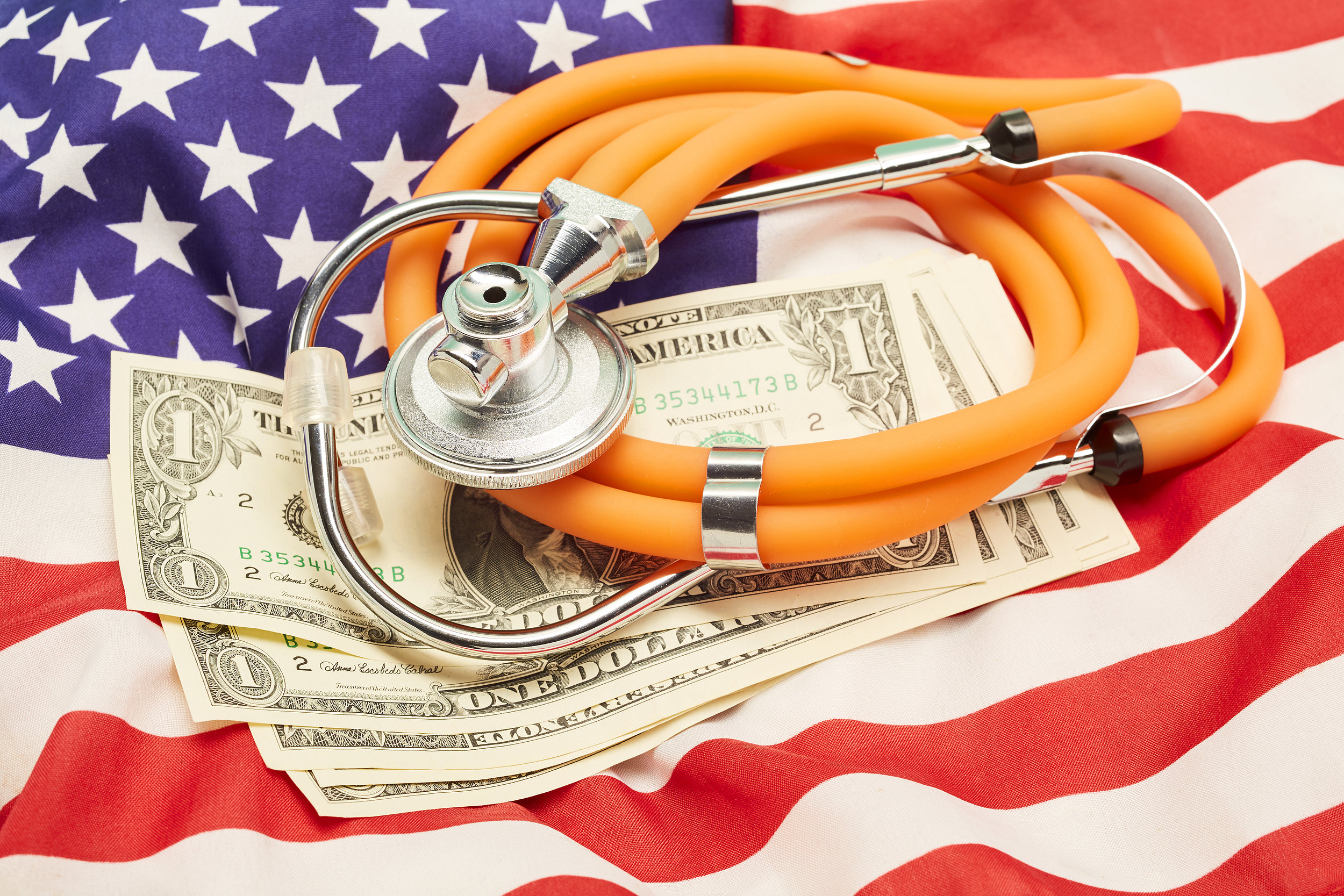
U.S. pharmaceutical manufacturers are concerned that tariffs could increase the likelihood of shortages and reduce patient access. Industry groups have been lobbying Trump to phase in tariffs on imported drugs gradually to ease the pain and allow time for supply chain shifts.
The potential policy conflicts are leaving countries that have reached trade deals with the U.S. confused. However, the White House clarified further on Trump’s early announcement, stating it won’t apply to nations that have already signed trade agreements with the U.S. that include drug provisions. For example, the U.S. will continue to respect a 15% tariff cap for the EU and Japan.
Beyond drugs, the Trump administration has already used “Section 232 investigations” to impose tariffs on cars, copper, steel, and aluminum products. On September 2, 2025, the Commerce Department launched new investigations under this clause covering imported robots, industrial machinery, and medical devices.
Public data shows that the U.S. imports $203 billion worth of pharmaceuticals annually, with 75% coming from Europe, mainly Ireland, Germany, and Switzerland. German pharmaceutical groups and pharmacist organizations have expressed strong concerns, arguing that this move will severely impact international supply chains, production, and investment, potentially endangering patient access to medications.
A report commissioned by a U.S. pharmaceutical trade group reveals that if the U.S. imposes a 25% tariff on drug imports, it would add nearly $51 billion annually to U.S. drug costs. If those costs are passed on to consumers, U.S. drug prices could rise by up to 12.9%.
The ever-changing U.S. trade measures will once again jolt the domestic economy and global trade trends. Lipsky, chair of international economics at the think tank Atlantic Council, said this is another reminder that the market’s earlier assumption that 2026 would mark a period of tariff stability was wrong.
On February 20 this year, after the Supreme Court overturned the large-scale tariff measures, Trump announced a “10% global tariff on all countries” under Section 122 of the Trade Act of 1974, lasting 150 days and expiring this Friday. U.S. Trade Representative Jamieson Greer hinted in a media interview on July 21 that a new tariff policy would soon replace the expiring 10% global import tariff.
Greer stated that the administration expects to impose tariffs of 10% to 12.5% on 60 countries and regions under Section 301 of the Trade Act of 1974, citing so-called “forced labor.” The Trade Representative’s Office released a related preview on June 2, drawing widespread opposition from trade partners. The office’s Section 301 committee will hold a public hearing in September.
Overall, the targeted countries’ response strategies include filing complaints under WTO rules, imposing retaliatory tariffs for defense, and accelerating supply chain diversification to reduce reliance on the U.S.
A spokesperson for China’s Ministry of Commerce responded that the U.S. has yet to ratify the 1930 Forced Labor Convention and refuses to be bound by international rules, yet it has long manipulated the “forced labor” narrative. This time, the U.S. launched a 301 investigation against China and other economies, attempting to build trade barriers in a highly unilateral, arbitrary, and discriminatory manner—a typical protectionist act.
The World Trade Organization’s panel has already ruled that the U.S. Section 301 tariffs on China violate WTO rules. The U.S. again abusing the 301 investigation process, placing domestic law above international rules, only compounds the error, severely undermining the safety and stability of global industrial and supply chains and disrupting international trade order.