

According to a Reuters report on July 30, during the 2026 World AIDS Conference held this week in Rio de Janeiro, Brazil, a US State Department official introduced a new global health cooperation agreement with a presentation slide featuring a highly inaccurate map of Africa that caught the attention of attendees.
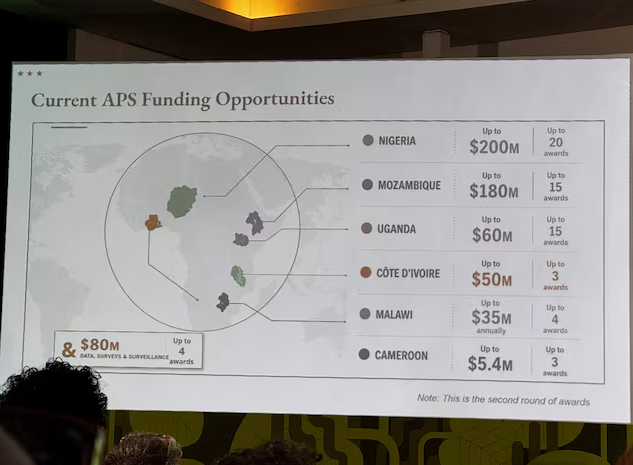
The error-riddled map, as shared by Reuters
The map showed countries in wildly incorrect positions. Nigeria was relocated into the Sahara Desert, becoming landlocked; Mozambique, located in southeastern Africa, was placed in the Horn of Africa; and the West African nation of Côte d’Ivoire ended up on the opposite side of the continent.
Attendees quickly screenshotted the map and shared it online. The image first appeared in a Substack article by AIDS expert Emily Bass, then spread across platforms like LinkedIn, where one post garnered approximately 40,000 views.
Reuters noted that the map carried an AI-generated marker, suggesting it was likely created using an OpenAI tool. OpenAI confirmed it is investigating the matter.
The State Department subsequently acknowledged the mistake, stating that a staff member had hastily modified the presentation just before the event without adequately verifying the map’s content. The department expressed it takes “full responsibility” for the confusion and misunderstanding caused to attendees, particularly African partners.
Matt Petitte, a researcher at the Atlantic Council, criticized the blunder, saying that whoever created and approved the slide clearly had no idea where African countries are located and failed to exercise basic diligence.
The speaker that day was Jeff Graham, the US Global AIDS Coordinator who oversees PEPFAR (the President’s Emergency Plan for AIDS Relief). He did not respond to media requests for comment.
Despite the map mishap, the State Department maintained that the discussions at the conference remained “substantive and constructive,” reaffirming continued US commitment to HIV/AIDS prevention efforts. However, the Trump administration has been cutting funding for prevention and disease surveillance programs, with plans to gradually wind down the initiative’s operations in South Africa.