

The power struggle within Iran’s political elite is far from over. Mojtaba Khamenei, the Supreme Leader, is becoming an increasingly visible force.
His father, the late Khamenei, was killed in a US-Israeli “decapitation” strike on the morning of February 28th. At least seven missiles hit the presidential palace and areas near Khamenei’s residence that day. Four family members—including his daughter, son-in-law, granddaughter, and a daughter-in-law—also died in the attack.
Sources reveal that Mojtaba was seriously wounded in that assault. One leg required multiple surgeries and has been gradually recovering. Severe burns to his face and lips made it difficult for him to speak, and he’s slated for reconstructive surgery. There were even rumors from Israeli sources that he sought treatment in Russia.
For a long period after being elected Supreme Leader on March 9th, Mojtaba’s public communications were limited to social media posts or statements via his spokespeople; he remained out of sight. Israel has openly listed him as a target and even threatened to carry out an assassination during his father’s state funeral.
After the state funeral concluded in early July, the new supreme leadership core officially took office. They quickly convened an emergency National Security Council meeting, declaring “anti-American economic resistance” as the nation’s top priority strategy, andsubsequently carried out a series of personnel reshuffles in key positions.
The National Security Council, directly led by the Supreme Leader, coordinates all major matters of core national interest. The President chairs the council, but all significant decisions must be signed off by the Supreme Leader to take effect.
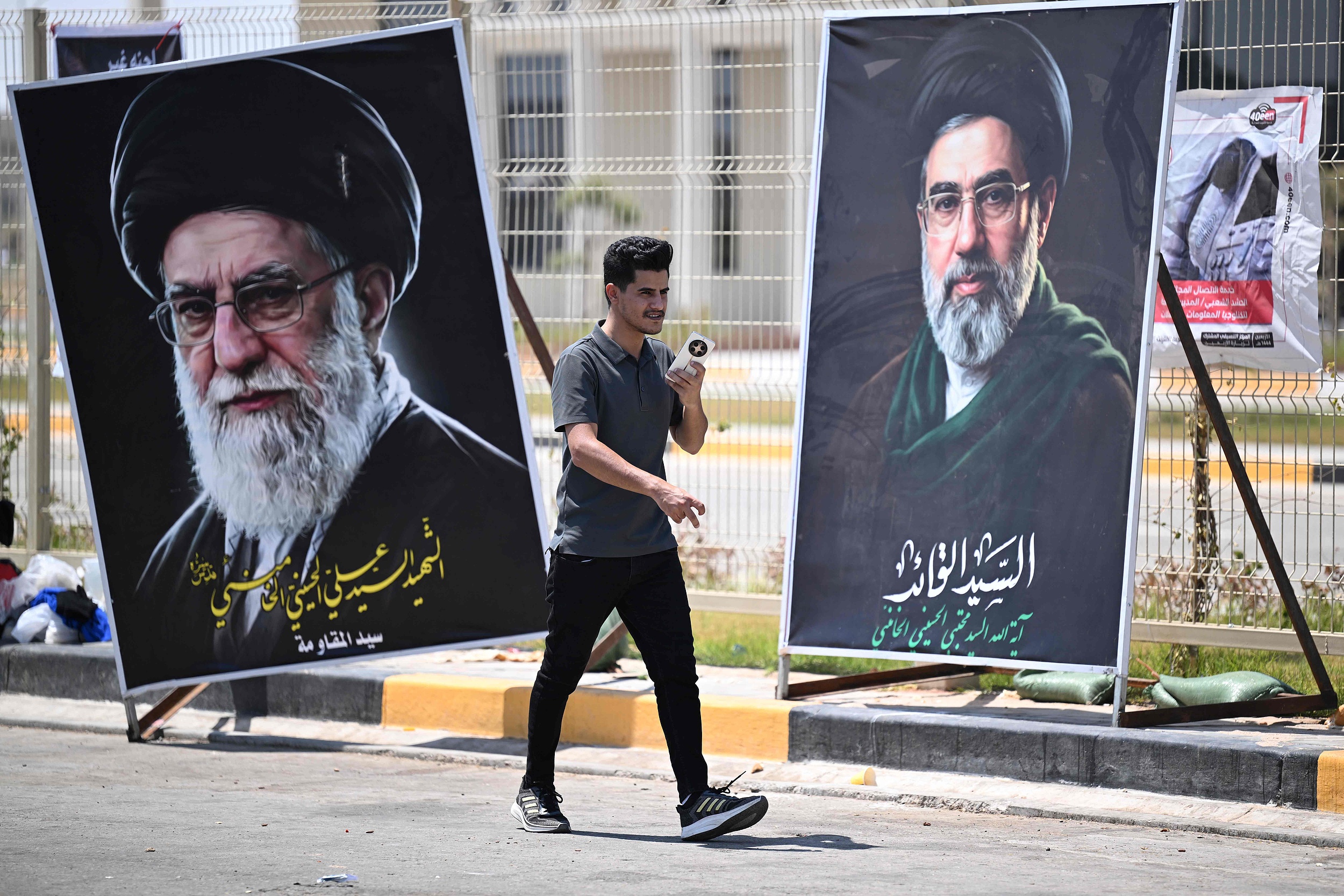
According to Iranian media, since August, Mojtaba has been able to frequently attend important events. This includes chairing high-level internal meetings and military functions in Tehran, and receiving the new ambassadors from allied regional nations like Syria and Iraq.
Meanwhile, friction between Mojtaba and President Pezeshkian is becoming apparent. Reports indicate that Mohammad-Bagher Ghalibaf, a hardline cleric linked to the Khamenei family by marriage, revealed in a speech that Pezeshkian had threatened to resign 28 times to push his agenda on the leadership.
Mojtaba has reportedly lost patience, warning Pezeshkian that if he offers his resignation again, it will be accepted. According to Ghalibaf, Mojtaba’s recent push to restructure the Supreme National Security Council is aimed at further constraining Pezeshkian.
Additionally, Mojtaba plans to sign off on appointment orders for several senior military commanders.
The late Khamenei devoted his life to upholding the “Guardianship of the Jurist” theory proposed by his mentor, Ayatollah Khomeini. Within this theocratic governance framework, the hardline military faction, led by the Islamic Revolutionary Guard Corps (IRGC), further solidified its internal influence earlier this year and directly dictates the pace of negotiations with the US.
In contrast, the “president,” parliamentary speaker, foreign minister, and other civilian bureaucrats in the Western political context have always been executors of specific policies.
Pezeshkian, who has also been quiet lately, has been vocal since last weekend. He’s spoken out in solidarity with Hamas leaders and the Palestinian people, denied resignation rumors, and held talks with Mojtaba.
According to Pezeshkian, their latest meeting lasted seven to eight hours, and Mojtaba’s health is good. They delved into the various challenges Iran faces, including public livelihood needs, the ongoing wars of aggression Iran endures, future prospects, military development, and economic cooperation with foreign partners.
Pezeshkian also mentioned that contacting Mojtaba was previously very difficult. He claimed some individuals were exploiting Mojtaba’s normal decision-making process to create divisions within Iran for their own agendas, though he stopped short of naming anyone.
US President Donald Trump also expressed frustration over the internal divisions within Iran’s leadership. He said negotiations regarding the Strait of Hormuz were progressing well, but Iran’s top brass was reluctant to acknowledge it publicly, which he found somewhat awkward.
While deeply embroiled in the Iranian conflict,Trump, realizing that economic blockades are more effective than military strikes, claims he’s “keeping a low profile” on the Iran issue. He outlined three “strategies”: monitoring the situation’s deterioration, launching a severe strike, or applying economic pressure.