Japan’s right-wing forces are taking a major leap down a path that sacrifices public welfare, revives militarism, and abandons the promise of peaceful development while undermining the post-war international order.
According to reports, the Japanese Defense Ministry is planning a significant organizational expansion by 2027, with plans to create three new departments: the “Defense Infrastructure Bureau,” the “International Policy Bureau,” and the “Facilities Policy Bureau.” The ministry is expected to include this expansion in its budget request for fiscal year 2027, which will be submitted by the end of August. These three departments will oversee “sustained combat capabilities,” “international cooperation,” and “base management,” respectively. An administrative restructuring of this scale is extremely rare in Japan.
Article 9 of Japan’s Constitution stipulates that the country forever renounces war as a sovereign right, as well as the threat or use of force as means of settling international disputes. To achieve this goal, Japan shall not maintain land, sea, and air forces or other war potential. However, right-wing forces in Japan have long attempted to revise the constitution to circumvent these constraints.
Recent reports also suggest that for the fiscal year 2027 budget, the Defense Ministry plans to request approximately 8.9 trillion yen from the Finance Ministry—a record-high figure. The final defense budget could potentially increase even further.
Japan’s fiscal 2026 defense budget already saw substantial growth, with heavy investments in mechanization, informatization, and intelligent development; optimization of joint operations systems; development of new-domain combat forces; and acceleration of advanced weaponry and defense technology innovation. Combined with the 2027 expansion plan, this forms a continuous rhythm of military escalation.
Analysts believe that Japan’s persistently expanding defense spending sends a dangerous signal that the government is accelerating military build-up and pursuing breakthrough military capabilities. These moves represent an extension of the strategy outlined in Japan’s 2026 Defense White Paper, which for the first time included a dedicated chapter on “new forms of warfare.” Using the Russia-Ukraine conflict as a reference, the white paper explicitly calls for a comprehensive overhaul of the Self-Defense Forces’ combat system and expansion of domestic defense industrial capacity.
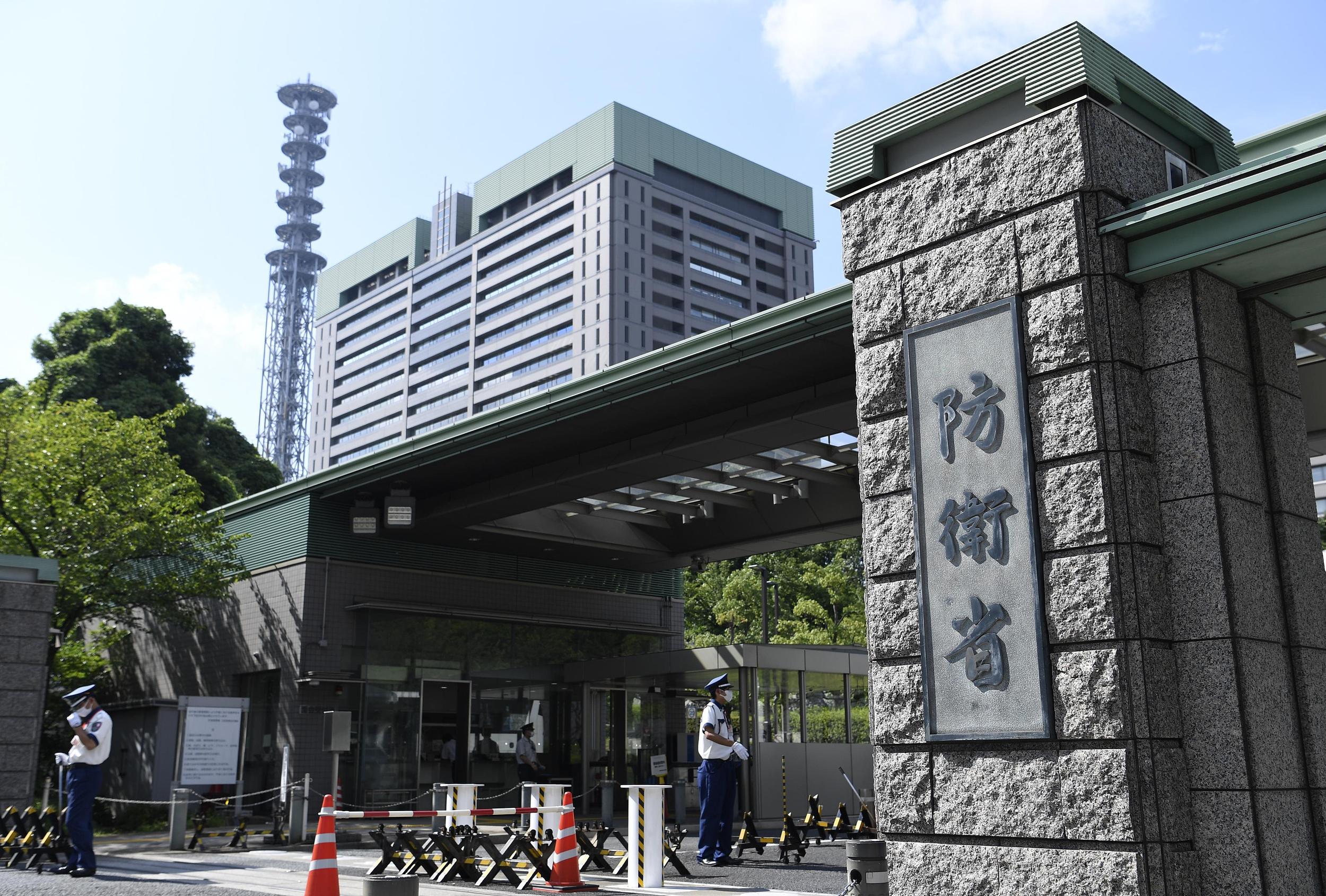
Meanwhile, the Defense Ministry has begun studying the integration of AI technology developed by American companies into the Self-Defense Forces’ command and control systems—reportedly with the aim of “accelerating decision-making by having AI assist commanders in analyzing battlefield situations, selecting targets, and even issuing orders to troops.”
Japan also established a “National Intelligence Agency” on July 31, with former Cabinet Intelligence Officer Hara Kazuya appointed as its first director.The agency, upgraded from the Cabinet Intelligence and Research Office, will not only coordinate intelligence departments across various ministries but also take on the actual execution of intelligence operations.
According to analysis from Chinese scholars specializing in Japanese affairs, the establishment of this agency and its personnel arrangements represent a key strategic move by Japan’s right-wing forces to break through the post-war pacifist constitution and achieve military expansion and geopolitical ambitions—posing a real threat to regional peace and stability.
This year marks the 80th anniversary of the Tokyo Trials.August 15 is Japan’s surrender day in World War II. On that day, Takaichi Sanae made an offering to Yasukuni Shrine, and several cabinet members including the Defense Minister, senior Liberal Democratic Party officials, and numerous lawmakers visited the shrine to pay their respects.
During the national memorial ceremony for war dead (including Class-A war criminals from WWII), Takaichi Sanae declared that “Japan’s peace and prosperity today are built upon the lives and suffering of the war dead,” expressing her “sincere respect and gratitude.” In contrast, last year, then-Prime Minister Ishiba Shigeru used the word “reflection” in his address, while Takaichi notably omitted any such acknowledgment.
Chinese Foreign Ministry Spokesperson Lin Jian stated at a regular press conference that Takaichi Sanae’s address avoided reflecting on past lessons, blurred the crimes of aggression, and turned back the wheel of history. This once again exposes the malicious intent of the Takaichi administration to cover up, distort, and overturn the history of aggression, which has drawn strong condemnation and widespread opposition from various parties.
The visits by Japan’s Defense Minister and other senior officials to the shrine further heighten the vigilance of neighboring Asian countries and the international community regarding Japan’s national trajectory.
The South Korean government and political parties across the spectrum have condemned Japanese politicians for making offerings to and visiting Yasukuni Shrine, urging Japanese leaders to reflect on history and show genuine remorse. In a statement issued under the name of its spokesperson, South Korea’s Foreign Ministry expressed deep regret over Japanese politicians’ “acts of forgetting history and defying the trends of the times,” strongly urging Japanese leaders to face history squarely and demonstrate sincere reflection through concrete actions.