

According to reports from Reuters and The Guardian, Ukraine’s former Defense Minister Mykhailo Fedorov delivered a significant address on the 18th, calling for wartime elections and warning that the country is facing a governance crisis. Reuters described this as the “biggest internal challenge” to President Volodymyr Zelensky since the outbreak of the Russia-Ukraine conflict.
Reports indicate that Fedorov made these remarks in a video address posted on YouTube, marking the first time a major Ukrainian political figure has publicly made such a demand since the war began in 2022. Current Ukrainian law prohibits holding elections under martial law.
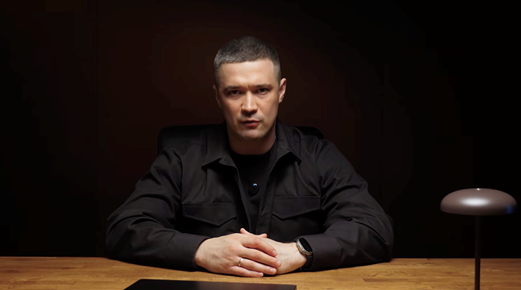
In his speech, Fedorov did not indicate whether he would run in any election, but a recent poll suggests he would comfortably defeat Zelensky in a two-person runoff.
The report notes that just hours before Fedorov’s statement, Zelensky confirmed he had asked parliament to confirm the appointment of new Defense Minister Yevhen Khmara. Reuters suggests Fedorov appears to be openly challenging Zelensky, citing a “systemic governance crisis” and implicitly condemning official corruption for undermining Ukraine’s war effort.
As of the time of writing, no response from Zelensky’s side has been observed.
According to Reuters, Fedorov was once a longtime ally of Zelensky. After being appointed Defense Minister in January 2026, he vowed to pursue data-driven reforms, and his popularity in Ukraine rose rapidly. In July 2026, he was unexpectedly dismissed after just six months in office, sparking sustained public protests. Reuters reports that over the past month, protests in support of Fedorov have continued, though somewhat diminished from their earlier intensity, they still regularly draw thousands of participants in the capital Kyiv.
Ukraine’s presidential election was originally scheduled for March 2024, but following the escalation of the Russia-Ukraine conflict in February 2022, the country’s laws prohibit holding elections under martial law. Zelensky was elected president in 2019, with his five-year term originally set to end in May 2024.