With the U.S.-Iran agreement on the verge of being signed, Iran has already begun its post-war reconstruction efforts.
According to details released by Iranian media, the draft memorandum of understanding between Iran and the U.S. includes a plan requiring the United States and its allies to propose a reconstruction fund for Iran worth at least $300 billion. More than half of this amount has already received funding commitments.
Based on reports from international outlets, companies headquartered in the U.S., Gulf nations, as well as those from Asia, South America, and Africa, have pledged funding. The investments cover sectors like energy, logistics, manufacturing, and transportation.
According to U.S. Vice President Vance, Gulf countries including Saudi Arabia, the UAE, Qatar, Kuwait, and Bahrain are the core contributors to this fund. They will participate in Iranian infrastructure projects through direct investments, but on the condition that Iran abandons its nuclear program.The use of these funds will also be subject to U.S. oversight, ensuring they do not flow to what the U.S. designates as armed groups.
Currently, Gulf states and Iran are entangled in a complex mix of confrontation and competing interests. By providing reconstruction funds, the Gulf nations are also creating a path for easing tensions between them and Iran.
At the same time, the U.S. is set to ease oil-related sanctions, with exemptions covering the entire chain of oil transaction services, including banking, transportation, and insurance. For the first time in nearly two months, 3.8 million barrels of Iranian crude oil have successfully sailed past the U.S. naval blockade and resumed exports, providing a cash flow for reconstruction.
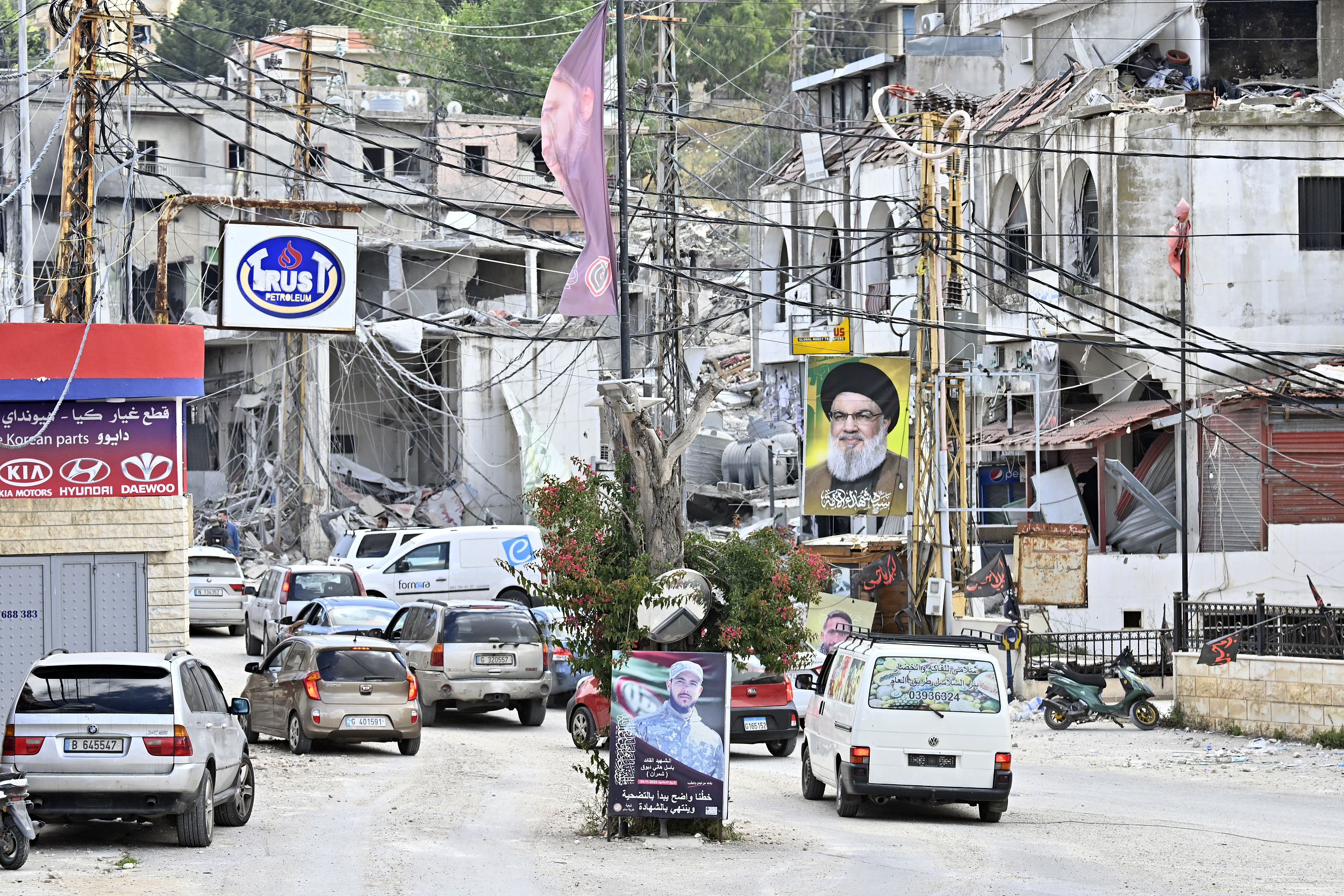
As of now, infrastructure in over 130 cities across Iran has suffered widespread damage. More than 80 energy facilities have been attacked, and schools, hospitals, homes, and commercial sites in at least 20 provinces have been heavily damaged. On Qeshm Island, water supply facilities in over 25 villages were hit, and in the Sirik region, two drinking water reservoirs and the entire water supply system were destroyed.
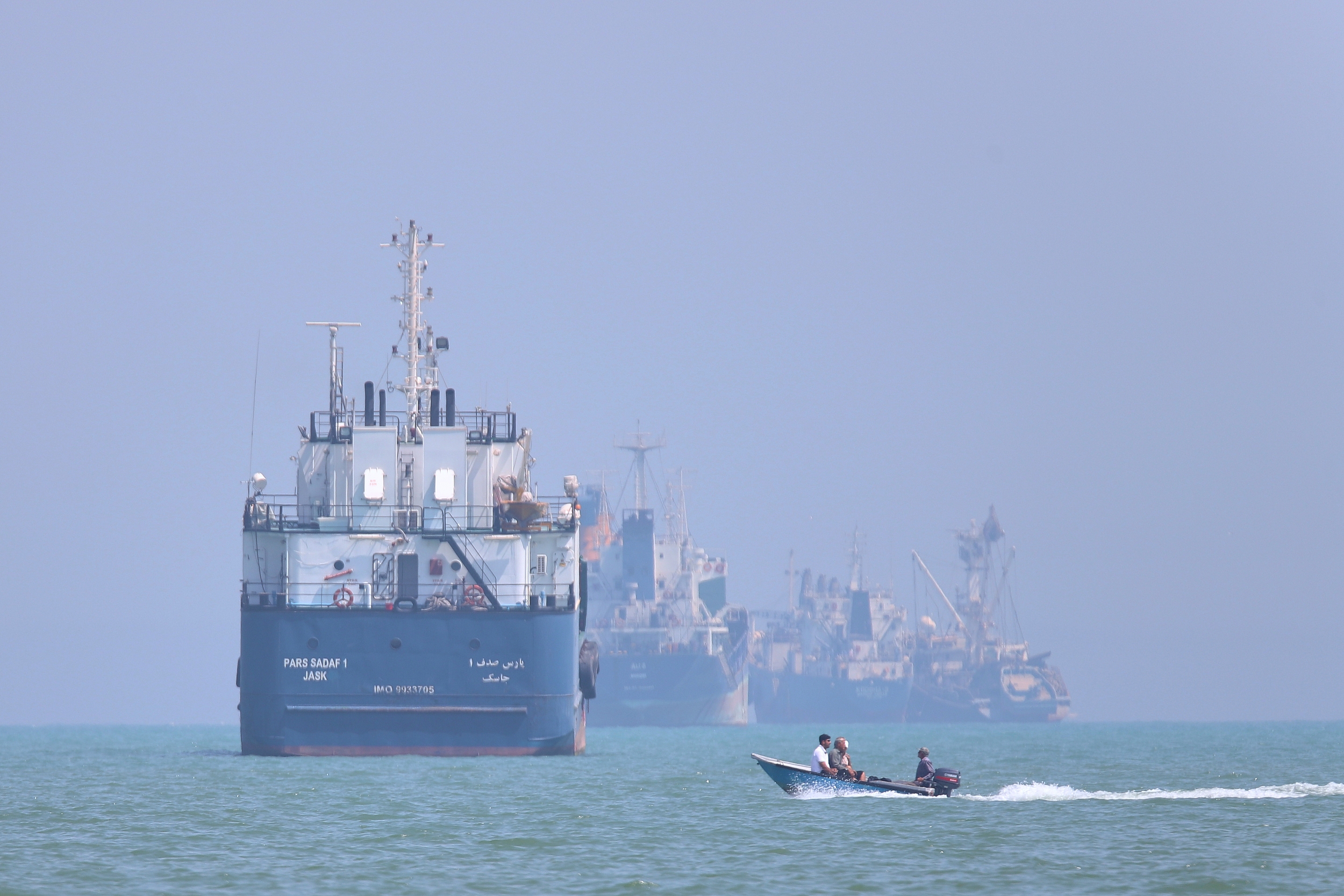
Official data released by Iran also shows that a total of 360 ships were affected by the conflict, with 253 completely sunk or destroyed. Four maritime operations buildings, four vessel traffic control stations, and eight communication relay devices were damaged. Port operations, maritime search and rescue, and maritime safety-related infrastructure have all taken a severe hit.
Meanwhile, Iran has started rebuilding its damaged oil infrastructure, aiming to restore 80% of its oil production capacity within two months. Some facilities at the Lavan refinery could be restarted within ten days.
Iran is the only country in the Middle East with a full range of industrial systems and has ample production capacity for construction materials.Russia’s Energy Ministry will focus on repairing and rebuilding critical infrastructure damaged in airstrikes, including power, water, and energy facilities, as well as supplying related equipment.
U.S. intelligence sources have revealed that Iran had also hoped to fund its post-war reconstruction by charging service fees to ships passing through the Strait of Hormuz.As early as March 30, the Iranian parliament’s National Security Committee passed a bill to charge fees for ships transiting the strait.Currently, there are still differences between the U.S. and Iran over whether passage through the strait should be free.
According to U.S. intelligence disclosures, within six weeks of the ceasefire in mid-May, Iran had already restarted some drone production, with the pace of reconstruction far exceeding all estimates. The replacement of missile launch sites and key weapons systems is also progressing simultaneously.