

To commemorate the 88th anniversary of the outbreak of the national war of resistance, the 731 Unit Crime Evidence Exhibition Hall of the Japanese Invaders in China exhibited the oral testimony of Masakuni Hutuzawa, a former member of the 731 Unit, on July 7. In the 83-minute video, Masakuni Hutuzawa confessed that the 731 Unit engaged in human dissection, conducted human experiments, and carried out bacteriological warfare.
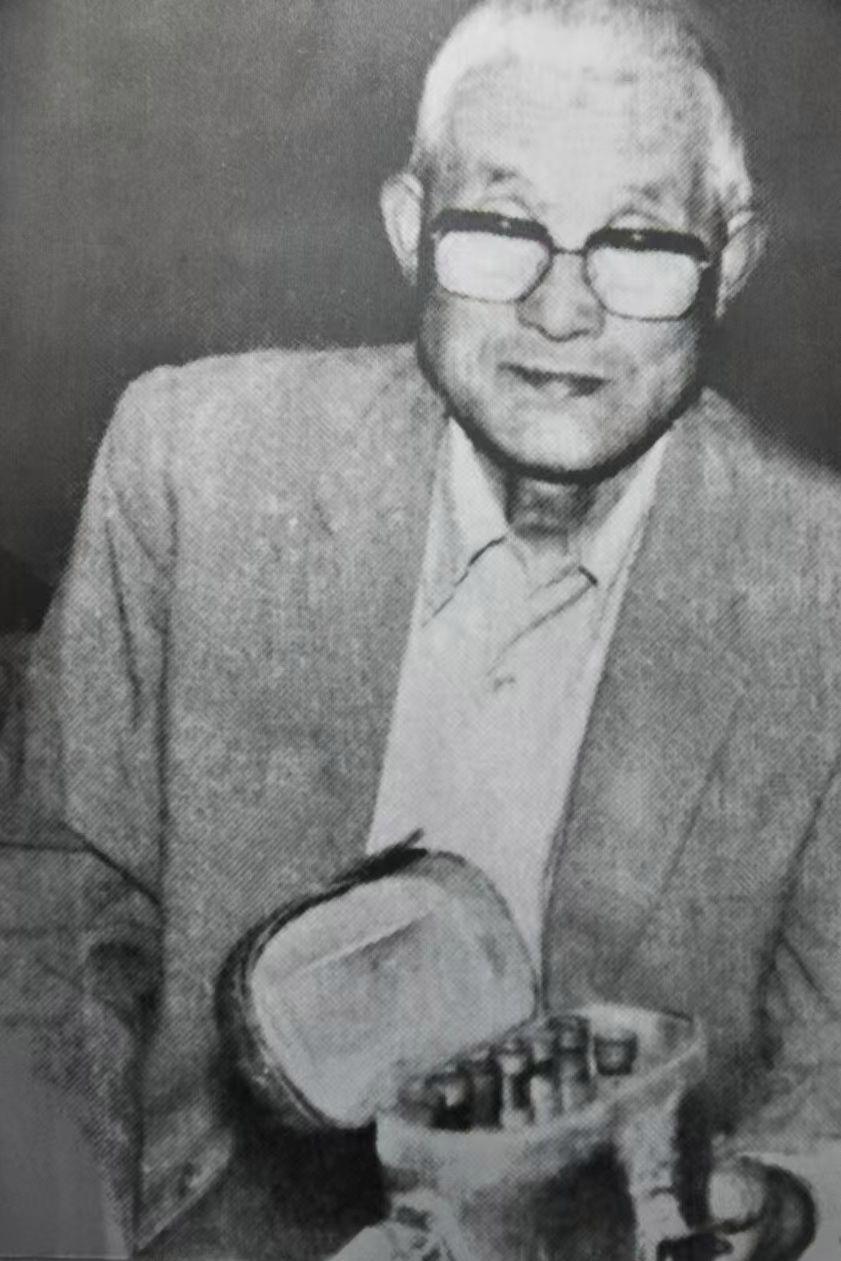
Pictured is Masakuni Hutuzawa.
Jin Shicheng, deputy secretary-general of the Harbin Institute of Technology for the Study of the History of Bacteria and Poisonous Gas Warfare of the Japanese Invaders in China, said that Masakuni Hutuzawa was an anatomist of the 731 Unit. He had been engaged in tuberculosis experimental research, and later participated in live dissection. He died in the 1990s. According to the “List of Remaining Members of the Kwantung Army Epidemic Prevention and Water Supply Department”, Masakuni Hutuzawa was born in May 1913 and served as a technician assistant in May 1944.
According to reports, this video material is a video of Masakuni Kurumizawa exposing the crimes of Unit 731 at an exhibition in August 1991, and was later preserved by a Japanese civilian peace group. In August 2024, the museum collected it from Fumio Hara, a Japanese expert on Unit 731.

The dissection experiment scene exhibited in the Exhibition Hall of Evidence of Crimes of Unit 731 of the Japanese Invaders of China.
Masakuni Kurumizawa confessed that the subjects were called “Maru-da” (meaning “log” in Japanese), including Chinese, Koreans, Mongolians, Soviets, etc., and the number of standing personnel in the special prison was more than 40, and would be “constantly replenished”.
Masakuni Kurumizawa stated that he had dissected more than 300 people. The human dissection team of Unit 731 had at least 5 people, and a team could complete 3 human dissection tasks in a day. “The person was still warm during the dissection, and blood spurted out.”
Masakuni Kurumizawa said that Unit 731 developed and produced plague, cholera, typhoid, dysentery, anthrax and other pathogens, producing two tons a day, and carried out bacterial attacks in Chongqing, Hubei and other places, just like drones spreading medicine on fields. During this period, a Japanese military doctor accidentally inhaled plague bacteria and died in less than 12 hours.
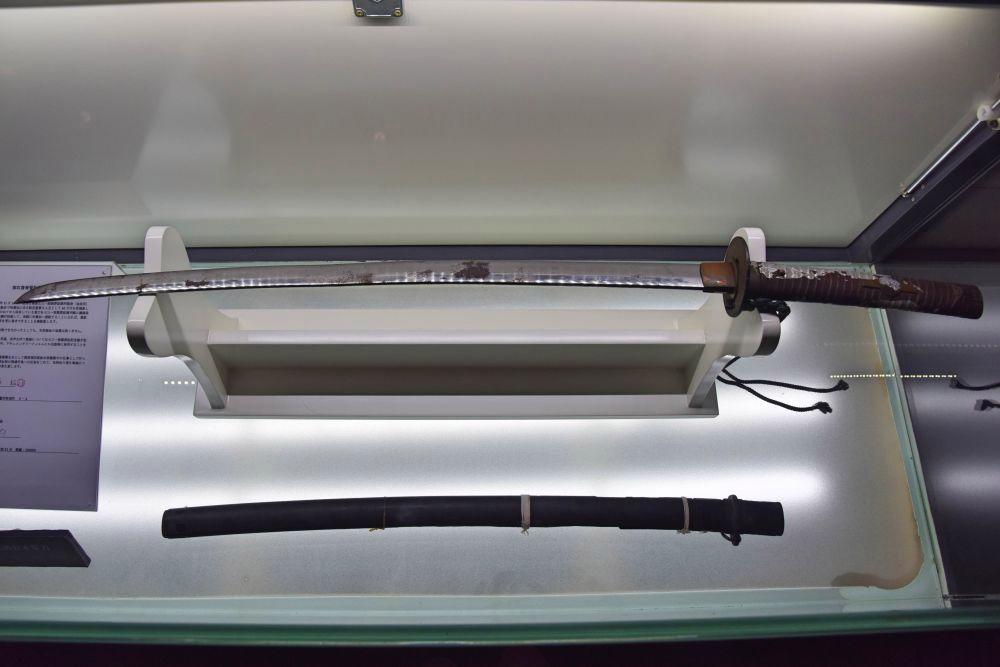
A saber awarded to anatomists is exhibited in the Exhibition Hall of Evidence of Crimes of Unit 731 of the Japanese Invaders in China.
Jin Shicheng said that these cruel details confirm the extreme disregard of human life by Unit 731. The information in the video, such as “no leaking to the outside world, not even to my family” and “my wife doesn’t know that I am doing dissection”, reflects the high confidentiality of Unit 731 and explains why its crimes have been covered up for a long time.
“This is ‘living evidence’ that exposes the crimes of Unit 731. Its value lies not only in restoring historical details, but also in exposing, from the perspective of the perpetrators, that Japanese militarism seriously violated international conventions and medical research ethics and committed atrocities against humanity.” Jin Chengmin, director of the Exhibition Hall of Evidence of Crimes of Unit 731 of the Japanese Invaders in China, said that this material has effectively supplemented the research on the 731 issue and further revealed the full picture of the crimes of Unit 731.

