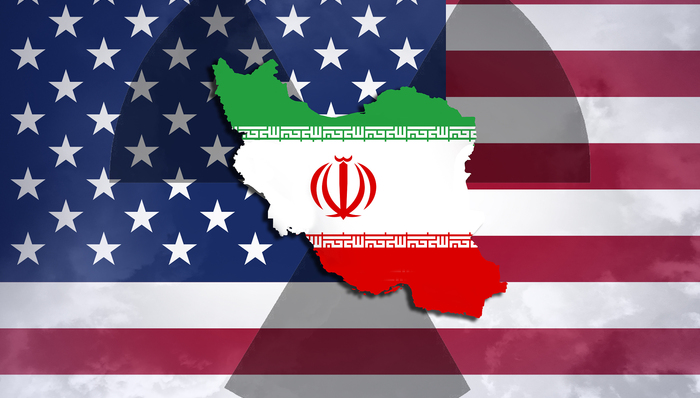
According to a report on March 22, anonymous sources revealed that the Trump administration has begun planning for “peace talks” with Iran, and preliminary consultations are being conducted through “message passing” by third parties such as Egypt and Qatar; Trump’s Middle East envoy Witkoff and son-in-law Kushner are involved.
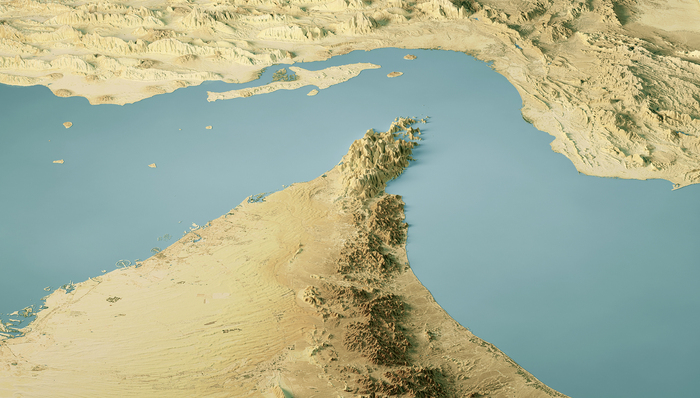
Trump’s side demands that Iran reopen the Strait of Hormuz, refrain from developing missile projects for five years, stop engaging in uranium enrichment activities, discontinue using the three nuclear facilities in Fordow, Natanz, and Esfahan, strictly limit the construction and use of centrifuges and related machinery, reach an arms control agreement with regional countries involving missile range restrictions, and not fund Hamas, the Houthi rebels in Yemen, and Hezbollah in Lebanon.
Egypt and Qatar informed the US and Israel that Iran’s conditions included ensuring that the war would not resume and Iran would receive compensation, but Trump believed that the second condition was “unworkable”.
According to an anonymous Iranian official, the six conditions proposed by Iran are: first, ensuring that war will not occur again; second, closing US military bases in the Middle East; third, the aggressor paying compensation to Iran; fourth, ending all fronts of war in the region; fifth, establishing a new legal system for the Strait of Hormuz; sixth, prosecuting and handing over media personnel engaged in anti-Iranian activities.
Meanwhile, earlier on March 22, Iran’s representative to the International Maritime Organization stated that Iran allows non-enemy ships to pass through the Strait of Hormuz, but coordination and relevant arrangements on security issues with Iran are required. Iran will cooperate with the International Maritime Organization to improve navigation safety and protect the safety of seafarers.
It should be noted that major resource sectors, such as the Strait of Hormuz, are firmly controlled by military departments like the Islamic Revolutionary Guard Corps and the armed forces. There are frequent contradictions in the positions of military leaders and administrative officials, such as the president, regarding issues like whether to block the Strait of Hormuz and whether they are still willing to negotiate with the United States.
A day ago, Trump issued a threat to Iran, demanding that it unconditionally open the Strait of Hormuz within 48 hours. If Iran fails to comply, the United States will strike and destroy all kinds of power plants in Iran, with the largest one bearing the brunt.
The Khatam Amoubi Central Command of Iran’s Armed Forces subsequently responded that if Iran’s fuel and energy infrastructure were attacked by the enemy, all energy infrastructure, information technology systems, and seawater desalination facilities of the United States and its allies in the region would become targets of retaliation.
The Strait of Hormuz not only concerns the global energy lifeline, but also directly affects fertilizer supply, agricultural production, and food prices. The Gulf region is the world’s largest urea production and export base, supplying about 45% of the world’s sulfur exports (a key raw material for manufacturing phosphate fertilizer). At present, during the peak season of spring sowing and fertilization in the northern hemisphere, the livelihoods of at least 100 million people are at stake.
Previously, Iran only allowed ships from a very small number of countries, such as India and Türkiye, to pass through, and it plans to give the green light to relevant ships from Japan.
An internal assessment within the Pentagon has determined that, in the worst-case scenario, Iran could block the Strait of Hormuz for six months.
According to informed sources, the US military is deploying three additional warships and approximately 2,500 marines to the Middle East, providing Trump with more military options, including launching an operation to open up the Strait of Hormuz, which requires the deployment of air and sea forces along the Iranian coastline.
Options on Trump’s table also include deploying ground troops to Kharg Island, the “lifeline” of Iran’s oil exports. This plan aims to seize the island as a bargaining chip to force Iran to restore passage through the Strait of Hormuz. Iran allows non-enemy ships to pass through the Strait of Hormuz, and it has been revealed that the White House is planning to hold “peace talks” with Iran