Just as the world thought the conflict between the US and Iran was subsiding, tensions have flared up again, casting a shadow over the prospects of a peaceful resolution.
According to a report by CCTV News, the Iranian military’s Hatam al-Anbia Central Command issued a statement on May 8, claiming that the US had breached the ceasefire and attacked two Iranian ships, one of which was heading towards the Strait of Hormuz from the port of Jask.
The statement also alleged that the US, in collaboration with some regional countries, had launched airstrikes on Iranian civilian areas in the provinces of Hamir, Sirik, and Qeshm Island. Iran’s military responded by targeting US warships in the Strait of Hormuz, causing significant damage.
US President Trump took to social media to claim that three US warships had successfully navigated the Strait of Hormuz despite coming under attack. He warned that if Iran did not agree to a deal soon, the US would take more severe and intense action.
The US Central Command released a statement saying that the US Navy’s missile destroyer fleet had intercepted an unprovoked attack by Iran while passing through the Strait of Hormuz and had taken defensive action.
As the US warships “Truxtun”, “Rafael Peralta”, and “Mason” sailed through the international waterway, Iranian forces fired multiple missiles and deployed drones and small boats. The US Central Command neutralized the threat and launched precision strikes on Iranian military facilities, including missile and drone launch sites, command and control centers, and intelligence, surveillance, and reconnaissance nodes.
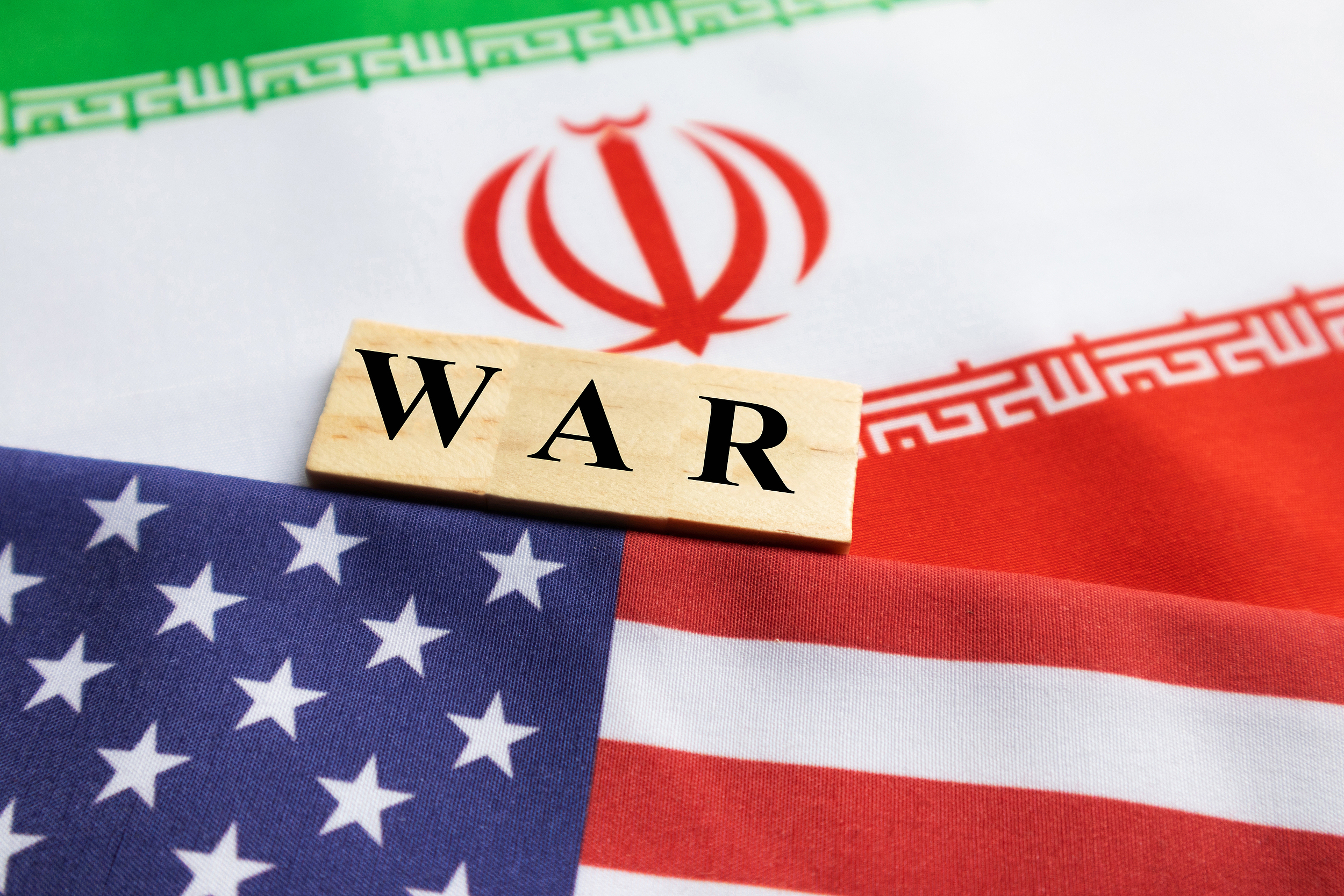
Meanwhile, the Trump administration is seeking to revive the “Operation Sentinel” plan, which would use air and naval power to escort commercial ships through the Strait of Hormuz, possibly as early as this week.
Just a day earlier, the Hormuz Strait crisis talks had reached a critical juncture. Middle Eastern media predicted a breakthrough in the negotiations, and mediators expressed optimism.
The latest escalation between the two sides may be part of a long-term strategy to exert pressure and gain a more favorable negotiating position. The current goal is to reach a memorandum of understanding, rather than a comprehensive peace agreement.
Signs indicate that the US government is changing its negotiating strategy, focusing on simpler issues first and leaving the most contentious ones for later.
It is reported that the two countries had previously reached a consensus on easing US naval blockade in exchange for the gradual reopening of the Strait of Hormuz.
The Iranian Ports and Shipping Organization has issued a formal notice to all ships in the Strait of Hormuz and adjacent waters, offering food, fuel, medical, and limited repair services. Ships can contact the nearest Iranian port authority via VHF channel 16 for assistance. The notice will be repeated three times a day for three days.
Several signs suggest that, from Iran’s perspective, the Strait of Hormuz is a trump card that even surpasses nuclear weapons. The Revolutionary Guard’s Navy has designated a new shipping lane from Hormuz Island to Larak Island, dubbed the “Larak Corridor”, which is off-limits without permission.
Last week, Iran submitted a new proposal to the US through Pakistan, containing 14 points, including guarantees against future military aggression, compensation, and the establishment of a new management mechanism for the Strait of Hormuz.
The proposal consists of three stages. The first stage includes the gradual reopening of the Strait of Hormuz within 30 days, Iran’s clearance of mines, and the US withdrawal from Iranian waters and cessation of new troop deployments.
US intelligence has recently warned that control of the Strait of Hormuz is the only leverage Iran has against the US. Even after the war ends, Iran will need to collect tolls to rebuild.
On May 6, Foreign Ministry spokesperson Lin Jian said that the situation in the Strait of Hormuz remains tense, and only an early comprehensive ceasefire can create the necessary conditions for easing tensions. The sovereignty and security of the coastal countries should be respected, the legitimate concerns of regional countries should be addressed, and the legitimate interests of the international community should be maintained.
Over the past two days, the US and Iran have had extensive exchanges. Trump is optimistic about reaching a framework agreement with Iran, predicting that a deal could be reached before his visit to other countries next week.
The proposed agreement may include Iran shipping its highly enriched uranium to the US. Iran would also commit to not operating underground nuclear facilities and would adhere to this arrangement for a significant period. Iran currently has over 400 kg of near-weapons-grade uranium stockpiles.
Iran has been developing its nuclear program since the 1950s, and the US has long accused Iran of seeking to develop nuclear weapons, imposing sanctions. Iran has repeatedly stated that its nuclear activities are for peaceful purposes.
Analysts point out that this shows Trump’s eagerness to end the stalemate and move on to more important diplomatic agendas. However, Iran’s Foreign Ministry spokesperson said on May 7 that Iran had not yet reached a conclusion on the US proposal and had not responded.