A rare outbreak of a mysterious illness has been reported on a transatlantic cruise ship, prompting an investigation into the source of the infection.
According to publicly available information, the affected ship, the Hondius, is a Dutch-registered vessel that set sail from Ushuaia, Argentina, on April 1, bound for the Canary Islands via the Antarctic. The health department of Tierra del Fuego Province, where Ushuaia is located, has stated that there have been no reported cases of hantavirus in the province.
Argentina’s Ministry of Health has launched an investigation into the outbreak. The couple who first fell ill, both Dutch nationals, had traveled to Argentina, Chile, and Uruguay before boarding the ship. They arrived in Argentina on November 27, spent 40 days touring the country, and then entered Chile on January 7. They continued their self-drive tour, re-entering Chile in mid-February.
After that, they traveled to Mendoza Province, Argentina, and spent 20 days on a self-drive tour, eventually arriving in Misiones Province. The couple crossed into Uruguay by land on March 13 and returned to Argentina on March 27, arriving in Ushuaia, where they boarded the Hondius on April 1.
Argentina’s Ministry of Health has stated that it is currently unable to confirm whether the source of the infection is within Argentina’s borders. The ministry will continue to monitor the situation and coordinate with provincial governments and international organizations. A team of experts will travel to Ushuaia, where the Hondius docked, to conduct rodent capture and analysis and detect the presence of hantavirus in natural hosts.
Meanwhile, the popular tourist city of San Carlos de Bariloche in southern Argentina reported a confirmed case of hantavirus on May 6, although it is unclear whether the patient is linked to the outbreak on the Hondius.
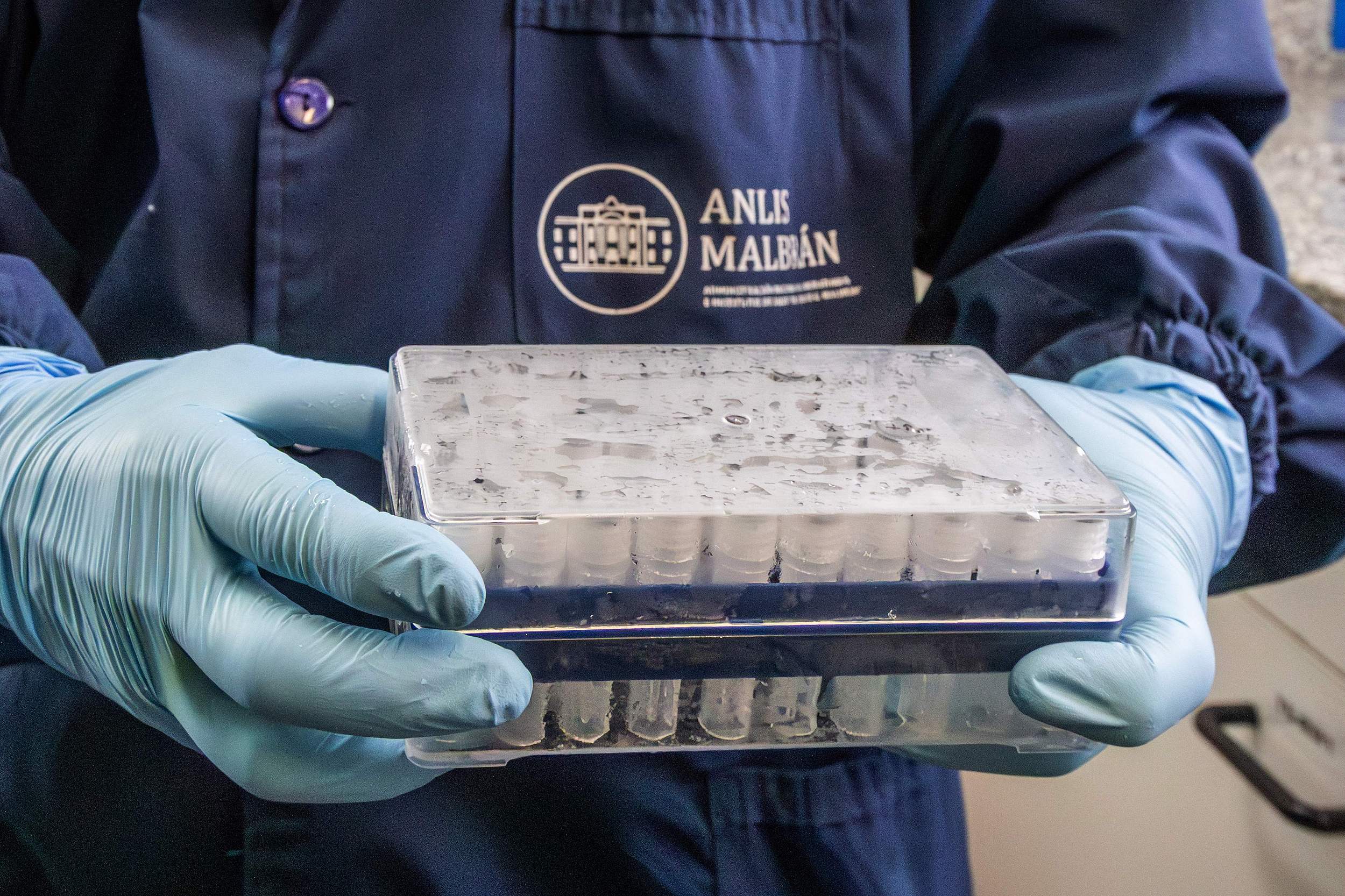
According to CCTV News, the patient is a 45-year-old man who was admitted to the emergency room with symptoms of fever, diarrhea, and body aches on May 3. He is currently in the intensive care unit, and his wife and son are under preventive isolation.
The man had traveled to Jujuy and Salta provinces in northern Argentina a week before falling ill. The National Laboratory and Institute of Health Management, Carlos Malbrán Institute, stated that if the patient is confirmed to have contracted the virus in the north, the protocol for close contacts will be changed.
The World Health Organization (WHO) suspects that some passengers may have been infected with hantavirus before boarding the Hondius, and the organization has been informed that there are no rodents on the ship. Additionally, there may be person-to-person transmission among close contacts, and the WHO is ensuring that all passengers and crew members who have shown symptoms of hantavirus, as well as healthcare workers, wear protective equipment.
The WHO stated that the current focus is on evacuating the sick passengers and then allowing the ship to continue its journey to the Canary Islands. The risk to the public remains low.
Hantavirus is primarily transmitted through contact with infected rodents, and humans can become infected through contact with the urine, feces, or saliva of infected rodents or by inhaling aerosols formed from these secretions.
According to the National Institute for Communicable Diseases in South Africa and the University of Geneva Hospital, the strain of the virus responsible for this outbreak is Andes, which can be transmitted among close contacts, such as family members or healthcare workers.
Hantavirus is a notifiable disease in China, and cases are commonly reported in rural or suburban areas.
The epidemic is concentrated in areas with high rodent activity, such as the northeastern, northwestern, and Yunnan regions of China. Since the beginning of this century, China has reported over 10,000 cases per year, mainly causing kidney syndrome, which is characterized by fever, bleeding tendency, and kidney damage, with a mortality rate ranging from 0.1% to 15%.
Meanwhile, according to US officials, three residents from different states are currently under health monitoring to rule out potential hantavirus infection. They had previously traveled on a Dutch cruise ship that had reported a deadly hantavirus outbreak. Officials stated that none of the individuals under monitoring have shown any signs of illness.
The Georgia Department of Public Health stated that it is monitoring two local residents who are “currently in good health and have not shown any signs of infection.” They are following the guidelines set by the US Centers for Disease Control and Prevention.
There are currently 149 people on board the Hondius, including 88 passengers and 61 crew members from 23 different countries. Among the passengers, 19 are from the UK, 17 are from the US, 13 are from Spain, and 8 are from the Netherlands.
On the evening of May 5, the Chinese Embassy in Cape Verde issued a statement saying that, after verification, there are no Chinese citizens on board the ship. Cape Verde is located off the coast of West Africa. The country’s health department refused to allow the Hondius to dock at the port of Praia on May 4, citing a respiratory disease outbreak on the ship.
The UK Health Security Agency issued a statement saying that two British passengers who had traveled on the Hondius have returned to the UK and are currently self-isolating, with no symptoms reported. Arrangements are being made to repatriate the remaining British nationals on board once the ship arrives in the Canary Islands.
However, the UK Health Security Agency stated that this will only be possible if the individuals have not shown any symptoms. Currently, none of the British nationals on board have reported any symptoms. The UK is making arrangements for their return and plans to isolate them upon their arrival.
A Swiss man who participated in the first leg of the journey (from Ushuaia to Saint Helena Island) is currently being treated at the University Hospital Zurich. His wife, who accompanied him, has not shown any symptoms and is currently self-isolating.
Based on international law and humanitarian principles, the WHO has reached an agreement with the Spanish Ministry of Health to allow the Hondius to dock in the Canary Islands. The ship is expected to arrive at the island of Tenerife on May 9, where all passengers and crew will be evacuated and placed under medical isolation.