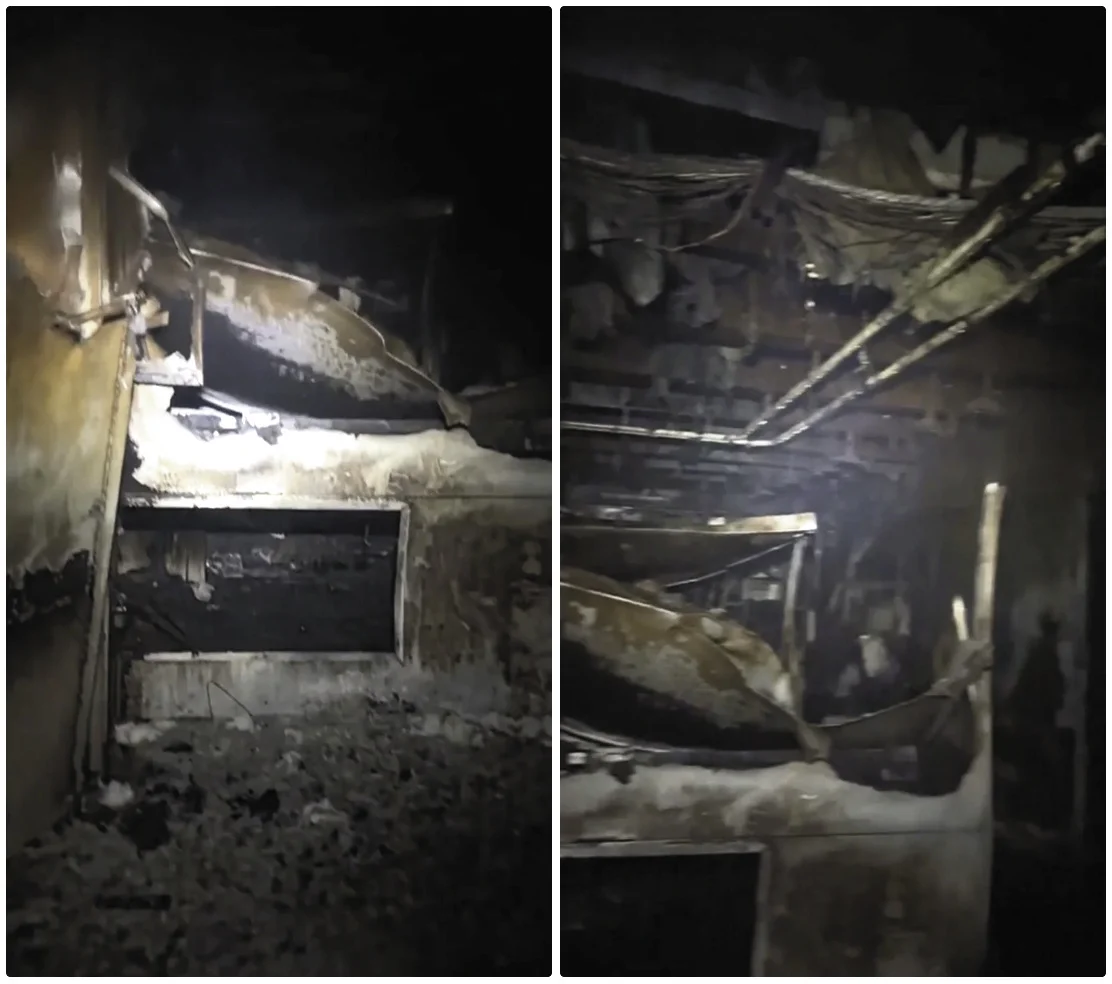
As of Saturday afternoon, June 8, local emergency officials confirmed that the massive tremor rocking the southern Philippines has tragically claimed 15 lives and left 134 others injured.
Tide gauges across Mindanao have picked up tsunami waves of varying heights, with the highest surge clocking in at a worrying 1.4 meters.
Government disaster response teams are reporting heavy damage to critical infrastructure across several areas. Power grids and cell networks are taking a hit, and large-scale evacuations are currently underway along the battered coastlines.
Authorities are strongly urging everyone to steer clear of their homes and other structures for now. If a building shows any cracks or leans, especially high-rises, stay away until aftershocks calm down and it’s safe to go back.
General Santos City airport in the south has also shut down for the time being. Aviation regulators noted the flight restrictions kicked in at 8:45 a.m. local time and are expected to last until around 3 p.m.
It’s not just the initial shock that has people on edge; the quake has put buildings and vital infrastructure at serious risk. The sheer force rippled through densely packed cities in seconds, making mass evacuations and the looming threat of secondary disasters the top priority across the nation.
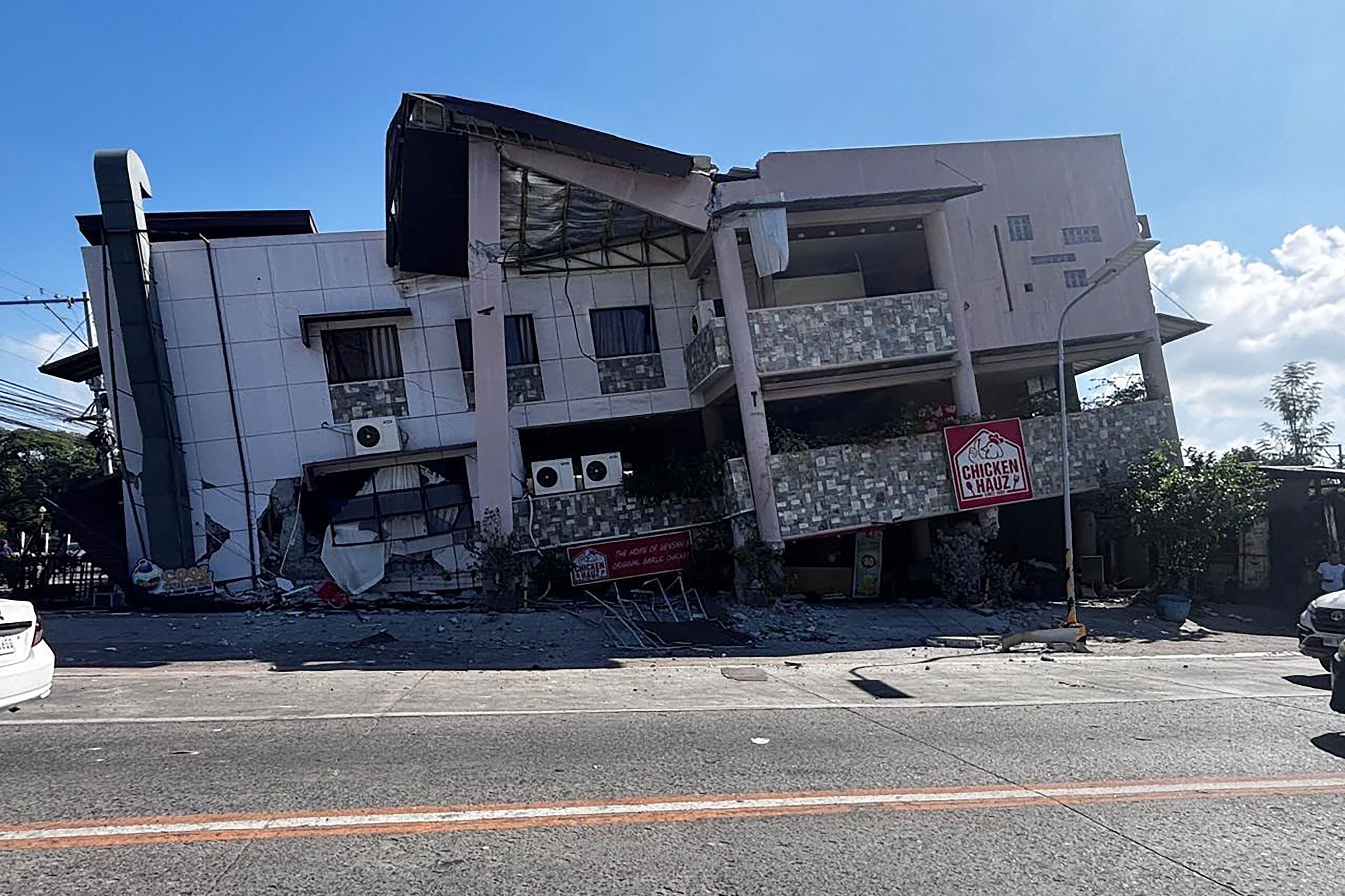
Seismological data pinpoints the 7.9-magnitude event striking the southern Philippine islands at 7:37 a.m. on June 8. The epicenter was located roughly at 5.55°N, 125.10°E, with a relatively shallow depth of 40 kilometers.
The country’s geophysical research institute is advising residents along the southern coastlines to head for higher ground or move inland right away. Boat owners in harbors, river mouths, or shallow waters need to secure their vessels and pull them clear of the coast. Ships already out at sea should stay in deeper waters until officials give the all-clear.
Here’s the thing: over 80% of the world’s major quakes happen along the Pacific Ring of Fire, and the Philippines sits right in the thick of it. It’s no surprise that the region deals with dozens of noticeable tremors every year. Since the 20th century, the country has weathered seven mega-quakes hitting 8.0 or higher, plus more than 250 quakes at magnitude 7.0 and above.
On a regional note, tsunami warning centers have assessed the initial quake data and noted that while localized tsunami activity could ripple out hundreds of kilometers from the epicenter, neighboring countries like China shouldn’t expect any major coastal damage. Monitoring teams will keep a close eye on seismic and oceanic data and share updates as they come in.