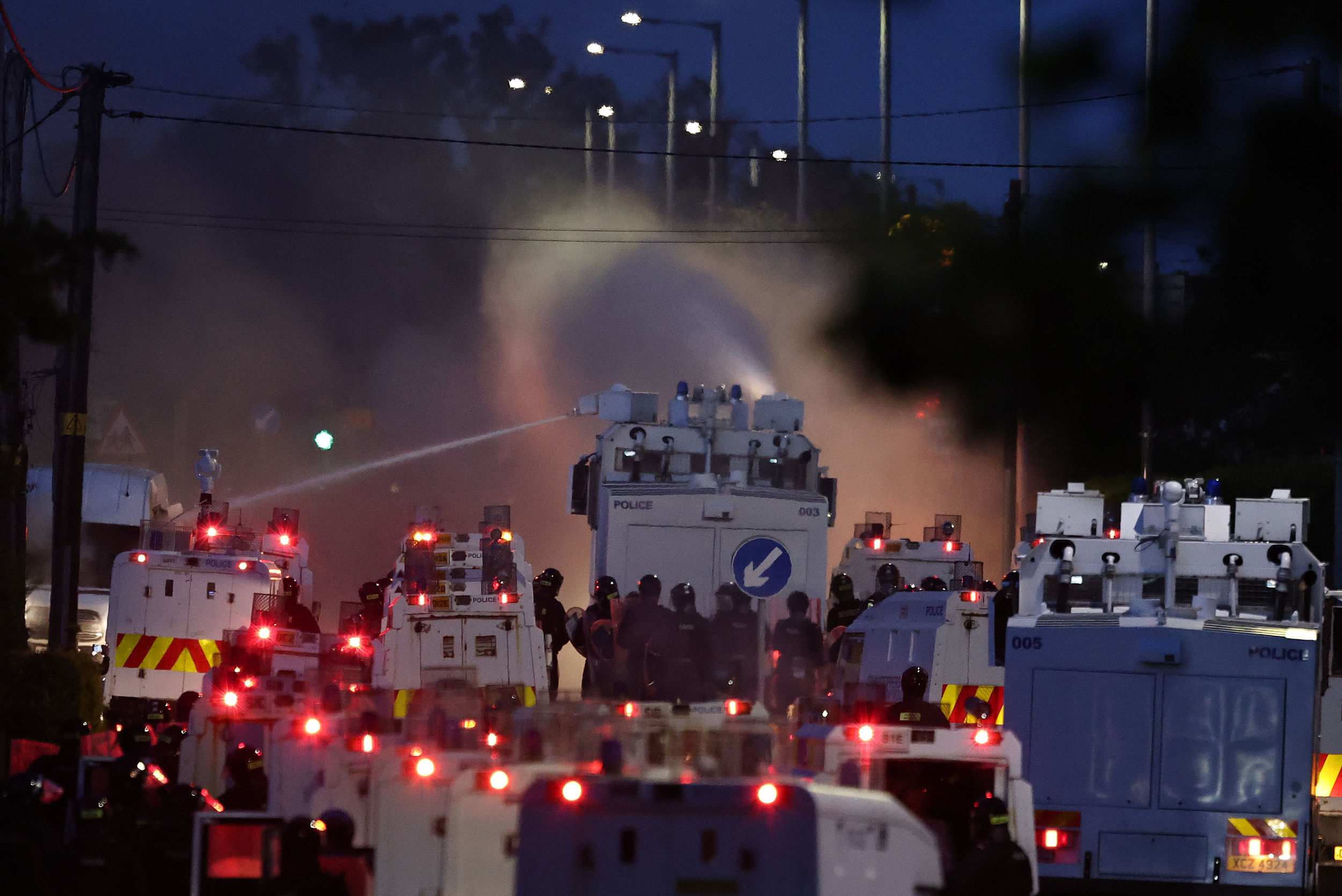
The rapidly escalating US-Iran tensions are sending shockwaves through the global trade and transport arteries.
On June 11, Eastern Time, US President Trump stated that while negotiating with Iran, taking Kharg Island—a key oil hub in the Strait of Hormuz—has always been his “top choice.” But he wasn’t sure if the American people would back a large-scale military operation to seize this oil hub.
According to reports, Trump also said earlier that day that US forces would strike Iran “very hard” tonight, and that Iran is very eager to reach a deal. He added, “I want a deal now more than I did three or four weeks ago.”
Trump further claimed that in the near future, the US would take over Kharg Island and other key oil infrastructure points, gaining full control over Iran’s oil and gas market, similar to how the US controls Venezuela’s oil and gas market.
In response to the latest White House threats, Ebrahim Azizi, head of the Iranian Islamic Parliament’s National Security Committee, said Iran’s armed forces are now on the highest alert and fully prepared to handle any threats and challenges.
US officials and military experts warn that such a ground operation would come with huge risks, potentially causing heavy US casualties, since it would require deploying ground troops.
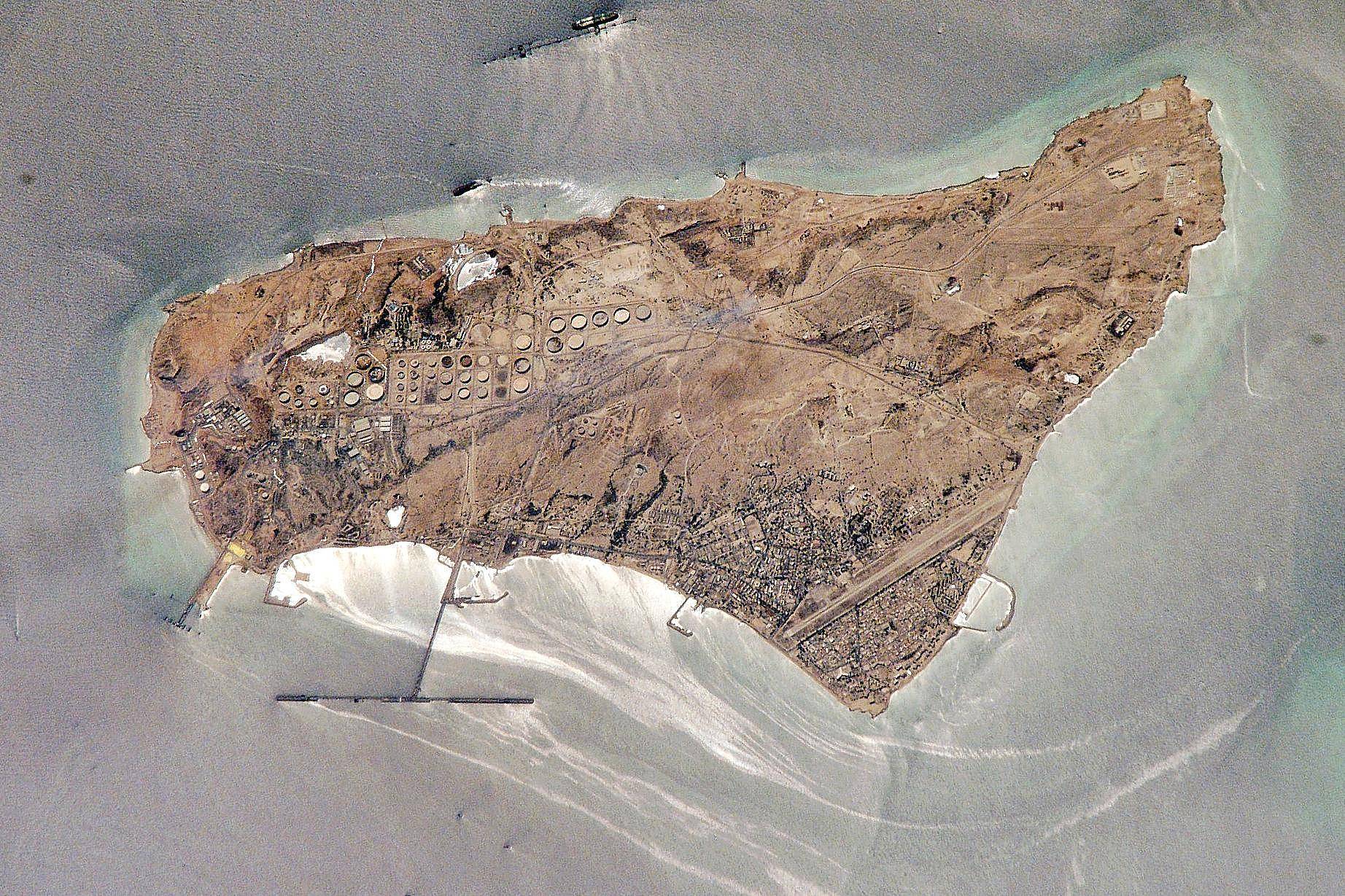
Kharg Island sits in the northern part of the Persian Gulf, stretching about 8 kilometers in length and up to 4 kilometers in width, covering about 20 square kilometers. From the 16th to 19th centuries, it was a flashpoint for Portuguese, Dutch, and British colonial struggles. In the 1950s, Iran built oil storage tanks there, turning it into a major export hub.
Kharg Island’s strategic location in the Persian Gulf strengthens Iran’s claims over these waters. The island’s infrastructure supports a massive crude oil export business, handling about 90% of Iran’s oil exports.
Tehran says that with the island just 25 kilometers from the coast, Iran has deployed long-range rocket artillery, anti-ship missiles, and attack drones around it, capable of saturating any approaching US warships or landing craft. It has also laid anti-ship mines in surrounding waters, blocking deep-water channels.
This year, the US has already launched at least two military strikes on Kharg Island. In March, US Central Command said it conducted a large-scale strike on the island, hitting over 90 military targets, including naval mine storage facilities and missile depots, but “preserving” oil infrastructure. In April, the US and Israel jointly struck the island again, hitting over 50 military targets but once more avoiding oil export facilities.
The recent flare-up was triggered by a US Apache helicopter crash near the Strait of Hormuz. In retaliation, at 5 a.m. on June 10, US forces began striking multiple Iranian air defense and radar systems around the strait.
The attack damaged some water supply facilities in the Sirik region of Hormozgan province, leaving over 20,000 residents without drinking water. At least 10 villages lost their water supply entirely. With scorching heat, the water shortage has hit residents hard, and local authorities are providing water through tanker trucks.
On June 11, Chinese Foreign Ministry spokesperson Lin Jian said at a regular press conference that using force only worsens the situation, and military means cannot solve the root problems. The sovereignty, security, and territorial integrity of regional countries must be respected and upheld. China strongly urges the parties involved to immediately stop military actions, return to dialogue and negotiations, respond to mediation efforts, and achieve a comprehensive and lasting ceasefire as soon as possible.