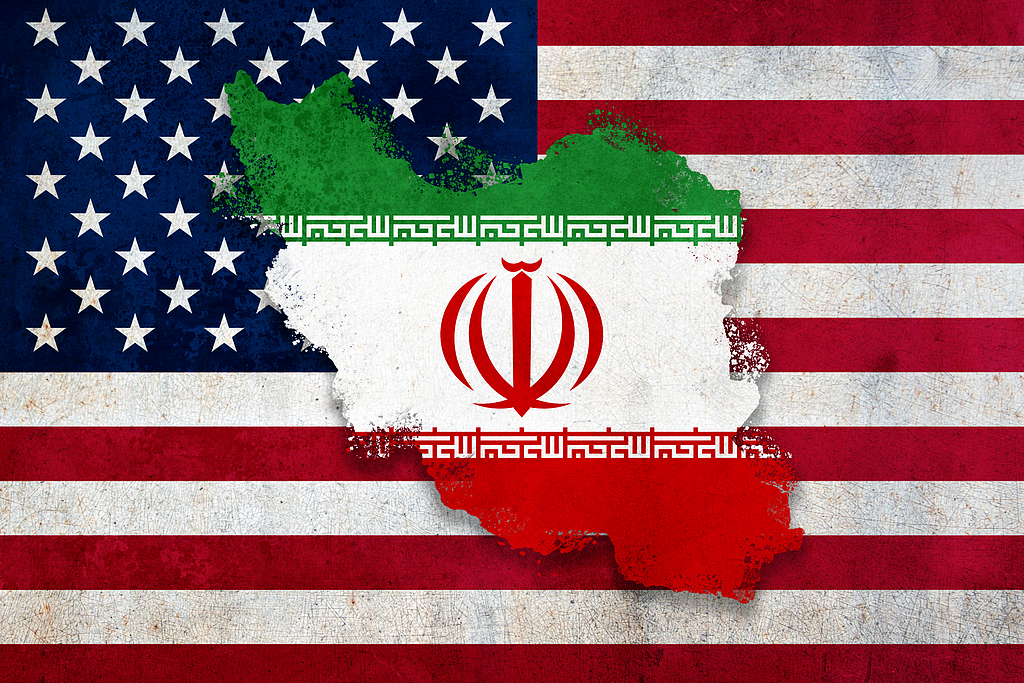
All signs are pointing to a potential breakthrough between the US and Iran, as they edge closer to a new phase of agreements.
According to reports, key details of the new agreement include both sides extending a ceasefire for 60 days, reopening the Strait of Hormuz, and the US gradually lifting sanctions and the naval blockade on Iran.
Over these 60 days, the two nations will hold talks on Iran’s uranium enrichment program. All parties have committed to halting offensive military actions, with no strikes allowed during the agreement’s term. Any violations will be handled through mediation mechanisms.
These reports have yet to be confirmed by either Washington or Tehran. A recent statement from Iran’s Foreign Ministry spokesperson indicated that Iran hasn’t reached a final conclusion on the memorandum of understanding, as it’s still under review by decision-making bodies.
Just a day earlier, the White House’s stance seemed to do a complete 180.
On June 11, US President Donald Trump posted on social media that the US would launch a heavy strike on Iran that night, aiming to seize Iran’s Kharg Island and other oil infrastructure, ultimately controlling Iran’s oil and gas market.
But just five hours later, Trump reversed course, stating that the results of negotiations with Iran had been submitted to and approved by Iran’s highest leadership, canceling the planned strikes and bombings.
The negotiations and final points have been conceptually and detail-wise agreed upon by all relevant parties, including the US, Israel, Saudi Arabia, the UAE, Qatar, Turkey, Pakistan, Bahrain, Kuwait, Jordan, and Egypt.
Until the agreement is formally signed, the US naval blockade on Iran remains in full effect.
He further revealed at a White House event that the documents are in their final stages, with the signing potentially taking place in Europe as early as this weekend, with Vice President Mike Pence in attendance.
Trump also claimed that, based on intelligence, Iran’s Supreme Leader has agreed to the deal, and all Iranian factions have given their approval. Iran will not pursue nuclear weapons, and the Strait of Hormuz will reopen immediately. Consequently, the Kharg Island operation is off the table.
Seizing Kharg Island in the Strait of Hormuz had been his “preferred option” during negotiations. However, US officials and military experts warn that such a ground operation carries significant risks, including potential heavy casualties among US troops, as it would require deploying ground forces.
Iran’s Foreign Ministry Spokesman, Baghaei, responded that all claims about the US-Iran agreement are speculation. So far, Iran has not reached a final conclusion on the deal.
Analysts point out that one reason for the delay in the agreement is a subtle power struggle within Iran. After a period of upheaval, Iran’s political landscape has seen a shift, with hardliners led by the Islamic Revolutionary Guard Corps strengthening their internal influence, directly impacting the pace of negotiations with the US.
Meanwhile, the US-Iran conflict has been ongoing intermittently for three months, resulting in thousands of deaths, mostly in Iran and Lebanon, and causing a sharp rise in global energy prices.
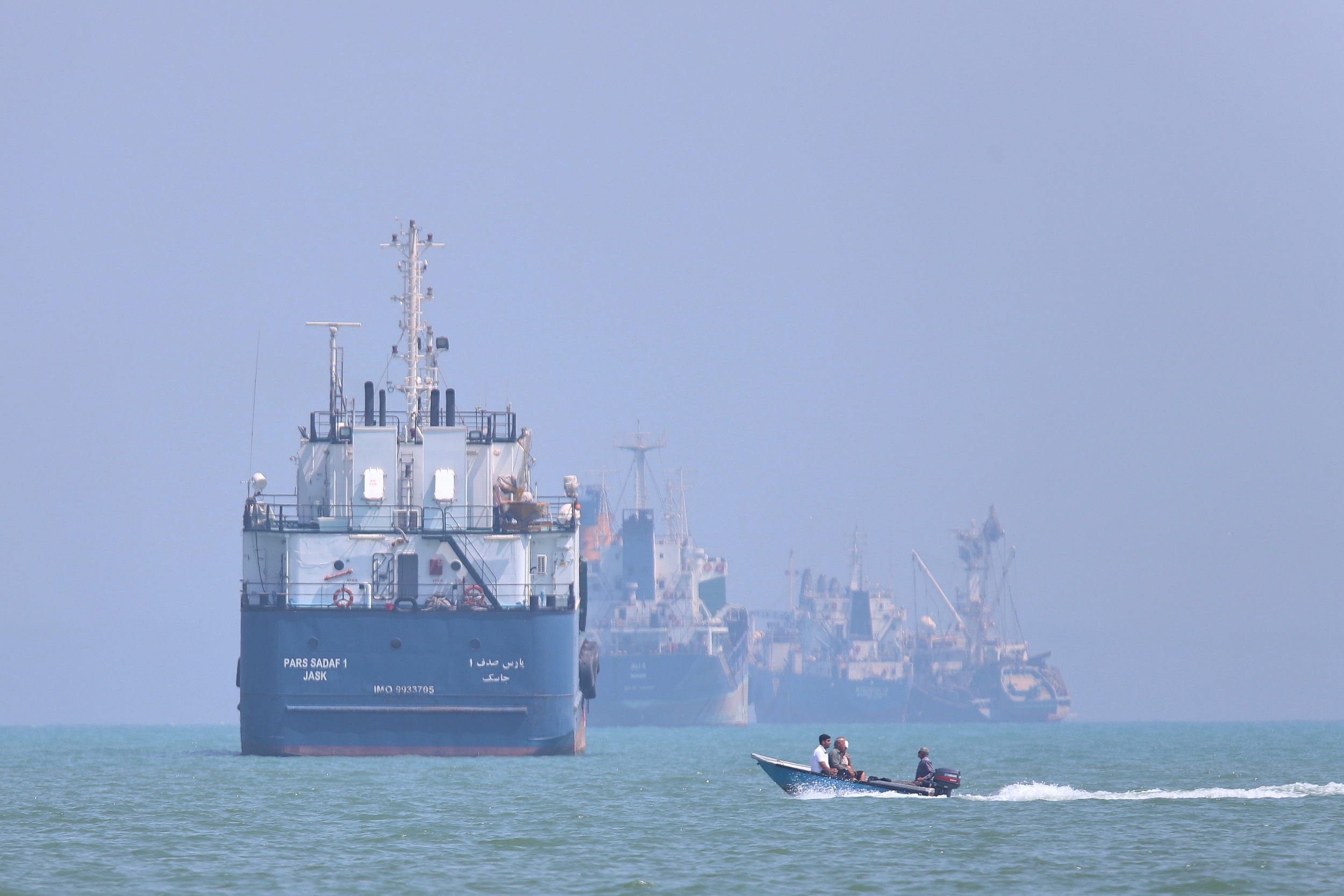
On June 11, the Iranian Armed Forces’ Khatam al-Anbia Central Command issued a statement saying that, due to regional security instability, the Strait of Hormuz would be closed immediately to all vessels, including oil tankers and commercial ships. Any ship leaving its anchorage in the Persian Gulf or Gulf of Oman, or approaching the Strait, would be considered “cooperating with the enemy.”
At a routine press conference yesterday, Chinese Foreign Ministry Spokesperson Lin Jian stated that using force only worsens the situation, and military means cannot solve the fundamental problems. He stressed that the sovereignty, security, and territorial integrity of regional countries must be respected. China strongly urges all parties to stop military operations, return to dialogue and negotiations, respond to mediation efforts, and achieve a comprehensive and lasting ceasefire as soon as possible.