The signs of easing tensions between the US and Iran are coming out one after another.
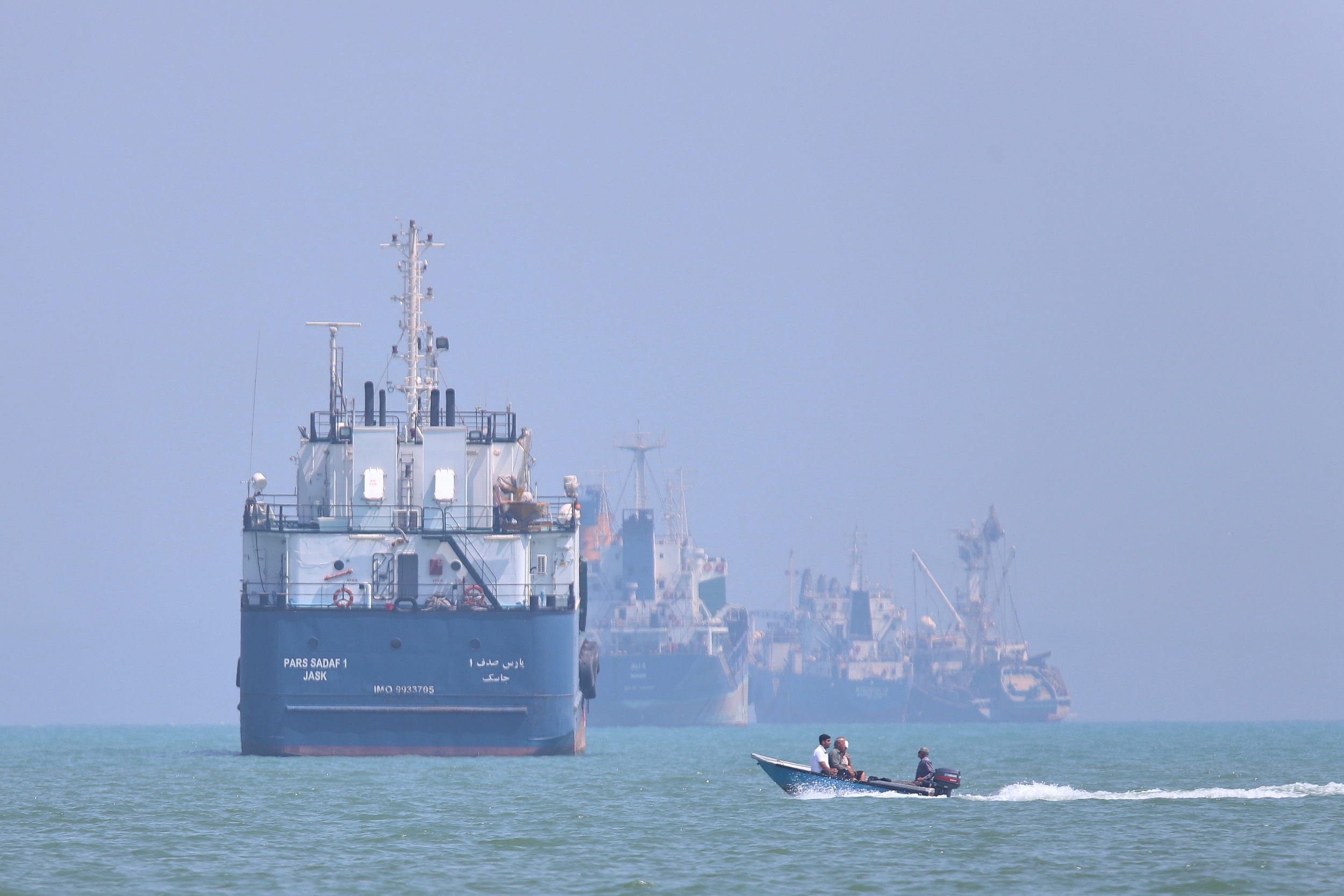
According to reports from Iranian media Mehr News Agency on June 12, new details of the draft 14-point Memorandum of Understanding between Iran and the US have been released. These include promises from the US to lift sanctions, withdraw troops from near Iran, end the naval blockade, reopen the Strait of Hormuz within 30 days, and unfreeze Iranian assets.
These assets—worth about $100 billion—are mainly legitimate revenues from Iran’s oil and natural gas exports to multiple countries before 2018, accounting for roughly a quarter of Iran’s GDP at that time. They were locked in bank accounts in several nations due to US long-arm jurisdiction. The bulk of the funds are scattered across countries like Luxembourg, South Korea, India, Iraq, and Qatar.
After the latest news broke, the US dollar index gave back its intraday gains, and international crude oil futures saw their losses widen. As of press time, WTI crude oil futures were down 5.04%, trading at $83.288 per barrel, while Brent crude oil futures fell 4.97%, sitting at $85.886 per barrel.
Earlier that day, Saudi Arabia’s Al Arabiya TV reported that the US-Iran agreement also includes details like a 60-day extension of the ceasefire between both sides.
During these 60 days, the US and Iran will hold talks on Iran’s uranium enrichment program. All parties have committed to immediately halt offensive military actions, and no military strikes will be carried out during the implementation of the agreement. Any violations will be handled through a mediation and coordination mechanism.
So far, these reports have not been confirmed by the US or Iranian sides. According to an earlier statement from the Iranian Foreign Ministry spokesperson, Iran has not yet reached a final conclusion on the US-Iran MOU, and relevant decision-making bodies are still reviewing it.
In the latest text of the draft US-Iran MOU, Iran has not made any commitment to give up control of the Strait of Hormuz or restore the strait’s status to what it was before the conflict began. The report says the latest text mentions that if the conflict ends, navigation through the Strait of Hormuz will return to normal, and coastal states will ensure the safety of the shipping lanes.
Just a day earlier, the White House’s stance took a dramatic 180-degree turn.
On June 11, U.S. President Trump posted on social media, saying the US would launch a fierce attack on Iran that night. The US would soon seize Iran’s Kharg Island and other oil infrastructure, gaining full control of Iran’s oil and gas market.
But only five hours later, Trump posted again, saying that since the results of consultations with Iran had been submitted to and approved by Iran’s top leadership, he had canceled the planned strikes and bombing operations against Iran for that night.
These consultations and final points have been agreed upon in concept and detail by all relevant parties, including the US, Israel, Saudi Arabia, the UAE, Qatar, Turkey, Pakistan, Bahrain, Kuwait, Jordan, and Egypt.
Before the final signing of the agreement, the US naval blockade against Iran will remain fully in effect.
At an event held at the White House, he further revealed that the relevant documents are in their final stages of drafting, and the agreement could be signed in Europe, possibly this weekend, with US Vice President Vance in attendance.
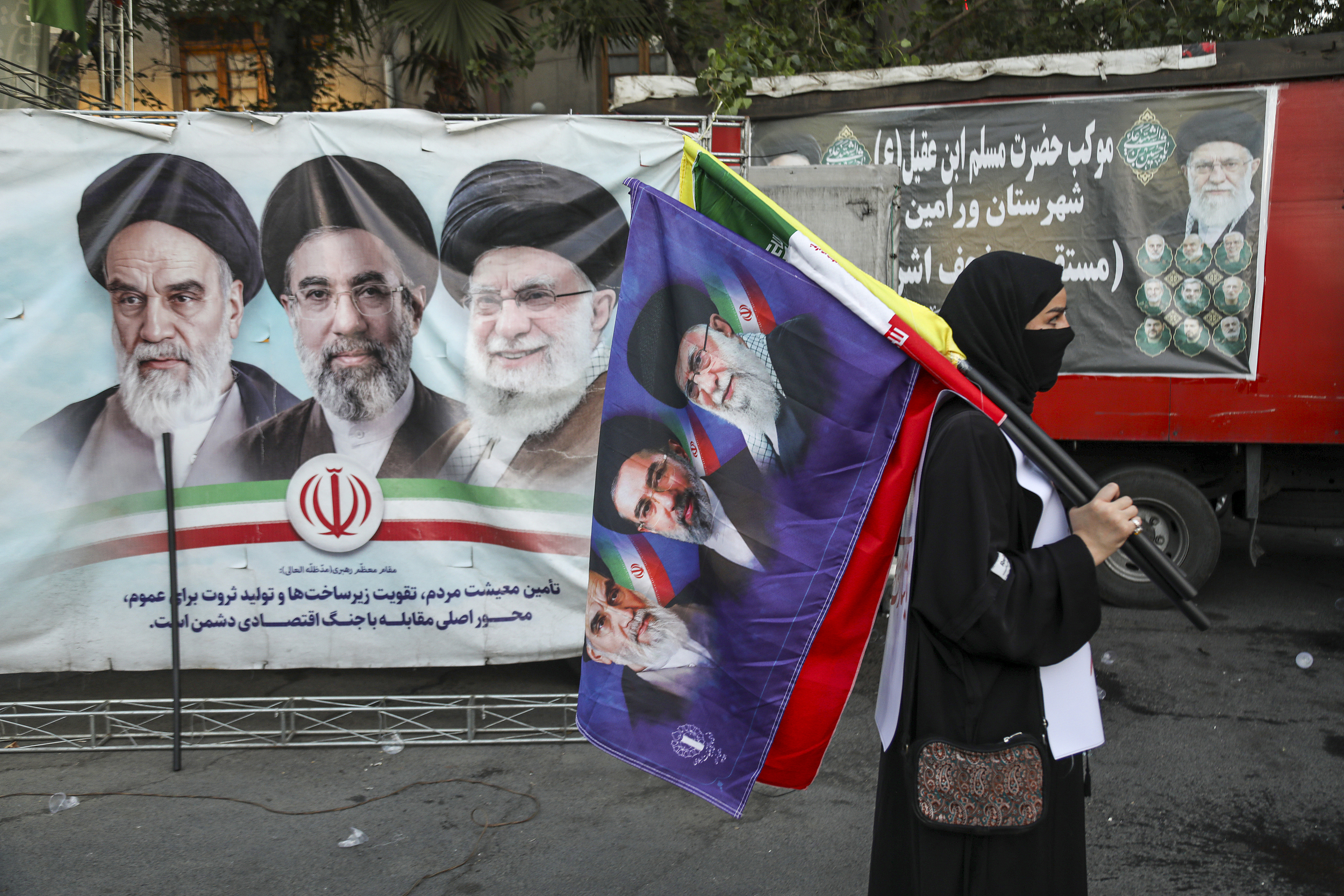
Trump also said that according to intelligence he received, Iran’s Supreme Leader has agreed to the deal, and all parties in Iran have approved it. Iran will not possess nuclear weapons. The Strait of Hormuz will be opened immediately. As a result, the operation to seize Kharg Island is no longer under consideration.
During the talks between the US and Iran, seizing Kharg Island in the Strait of Hormuz had always been his “preferred option.” However, US officials and military experts say that carrying out such a ground military operation would involve significant risks, including the potential for large numbers of US casualties, as it would require deploying ground forces.