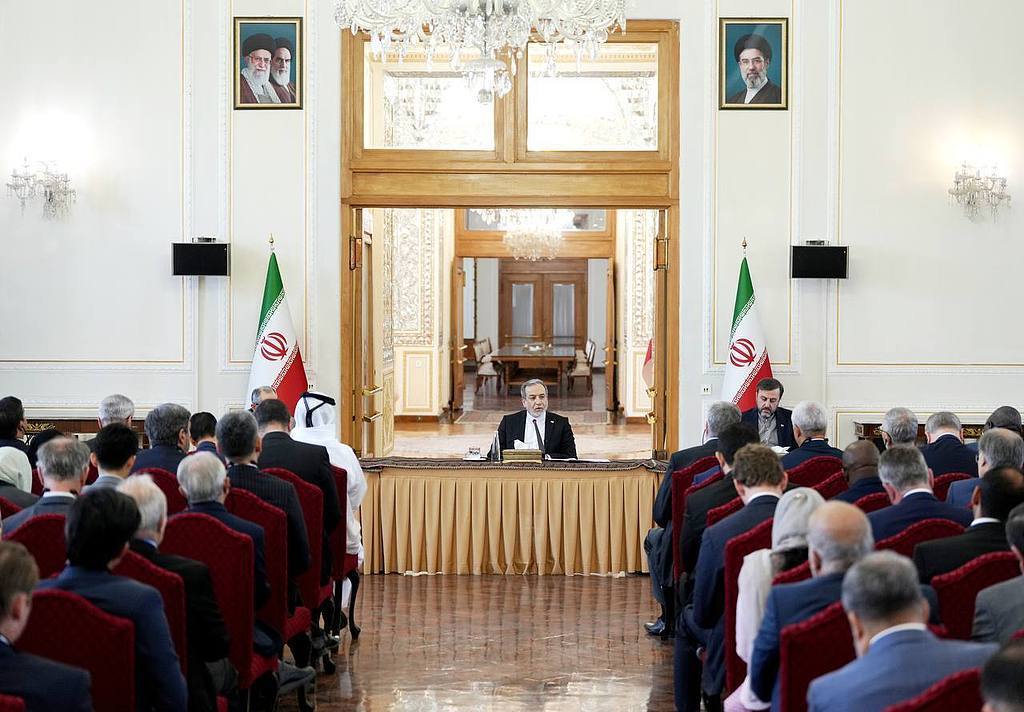
Iranian Foreign Minister Abbas Araghchi said on April 16 that Iran and the US are expected to sign a memorandum of understanding (MOU) on April 19, officially ending hostilities. A new round of talks will start the same day, with the goal of reaching a final agreement within 60 days. Speaking at the G7 summit in France, President Trump confirmed that the negotiations are entering a second phase, which he believes “will be easier.”
Still, the MOU and future talks face a cloud of doubt. Questions about when the Strait of Hormuz will reopen, what happens to Iran’s nuclear program, and how compensation will be handled remain unanswered. The Guardian notes that these issues could still sabotage the deal. A senior US official admitted, “In the next two to three weeks, we’ll find out if this MOU can actually turn into a real agreement.”
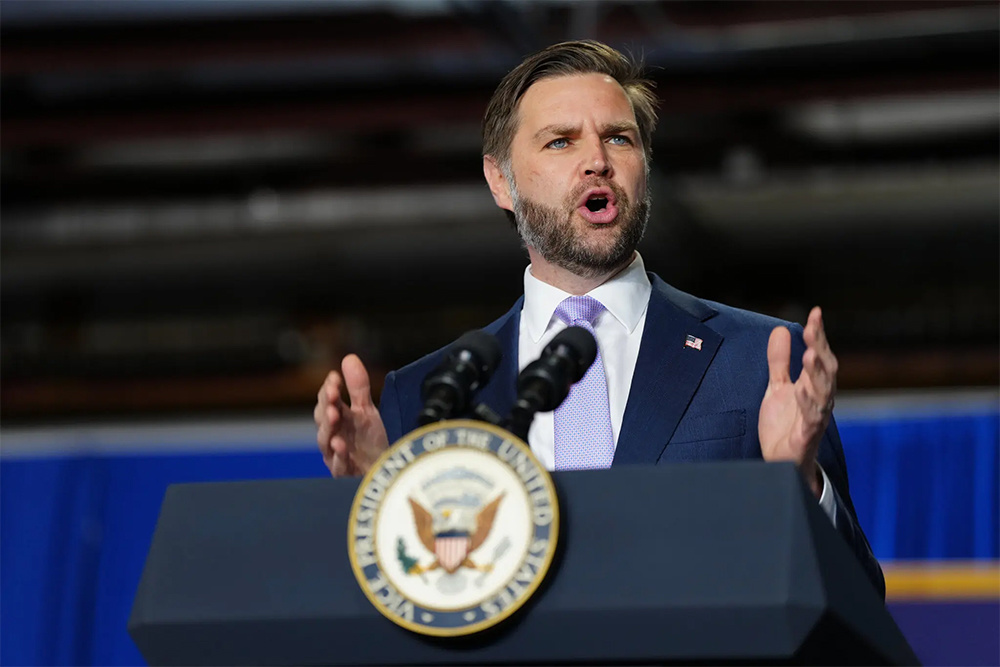
Vice President JD Vance said on April 15 that inspectors from the International Atomic Energy Agency (IAEA) will be allowed back into Iran as part of the deal. “The IAEA and the US will help Iran eliminate its stockpile of highly enriched uranium. That’s already written into the MOU,” Vance shared in an interview. He expects nuclear inspections to start quickly since there’s little disagreement on this point.
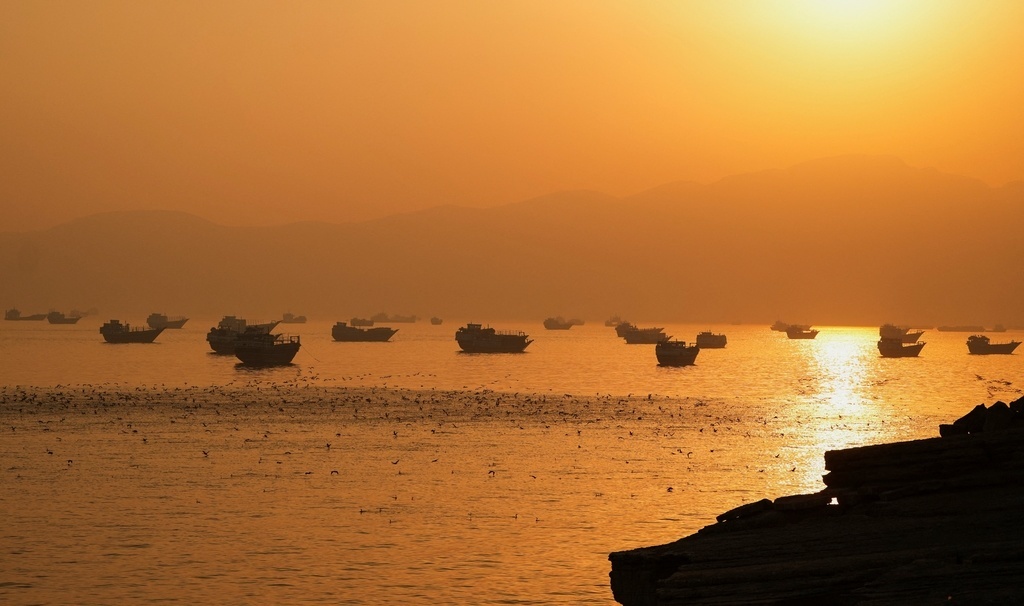
Meanwhile, Iranian state media claimed at least three oil tankers and two cargo ships carrying essential goods have broken through the US naval blockade. But some international shipping companies told the New York Times that their vessels still haven’t resumed passage through the Strait of Hormuz.
Araghchi laid out the two-phase plan: Phase one focuses on ending hostilities, reopening the Strait of Hormuz, unfreezing Iranian assets, and post-war reconstruction—all leading to the MOU. Phase two kicks off right after the signing and lasts 60 days, tackling nuclear issues and sanctions relief to reach a final deal.
The Iranian foreign minister also stressed that a permanent ceasefire across all fronts, including in Lebanon, is a key part of the MOU. But a US official pushed back, telling Reuters that Israel’s withdrawal from Lebanon isn’t part of the deal. Israeli Prime Minister Benjamin Netanyahu made it clear that Israel isn’t a signatory to the MOU and won’t limit its actions against Hezbollah or Iran’s nuclear ambitions.
Despite the fragile optimism, many in Tehran remain skeptical. Al Jazeera reports that after years of sanctions and tension, people aren’t convinced the crisis is over. The Guardian warns that the toughest issues have been kicked down the road, and while both Trump and Iran’s leaders want to avoid a full-scale war, the risk of another confrontation is far from gone.