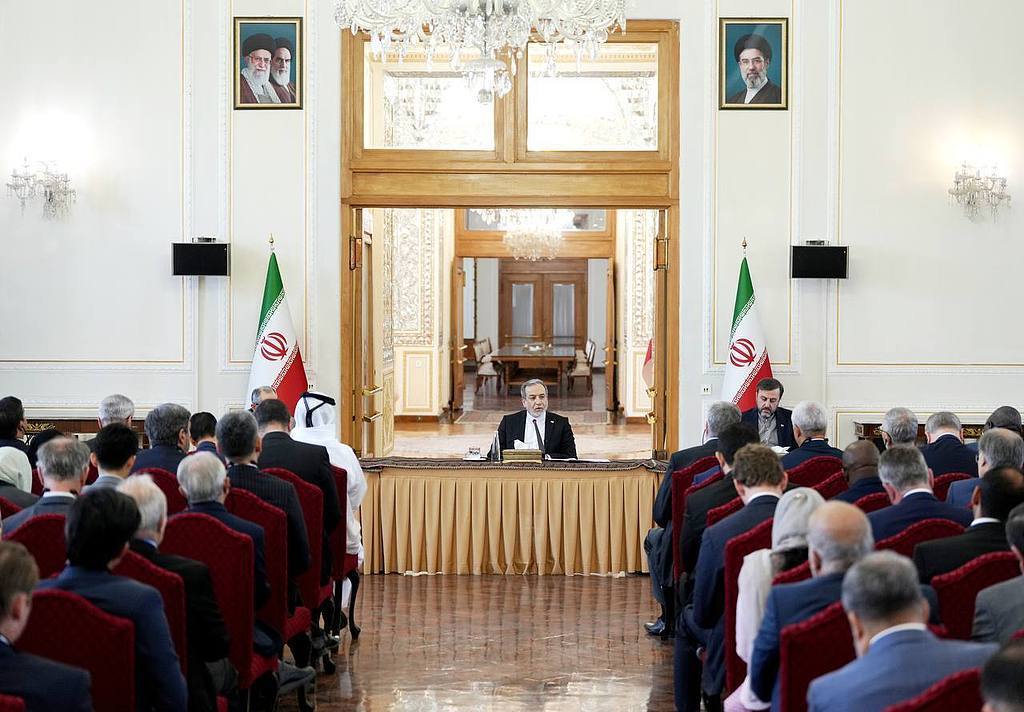
On June 16, U.S. Vice President Vance said the text of the U.S.-Iran ceasefire memorandum of understanding will be made public by June 19 at the latest, explaining the delay is due to “some subtle diplomatic issues.”
Speaking at a book launch event, Vance noted: “We haven’t released the text because there are some delicate diplomatic issues right now. Iran, as well as mediators like Pakistan and Qatar, have asked us to follow a proper pace and move step by step through the process.”
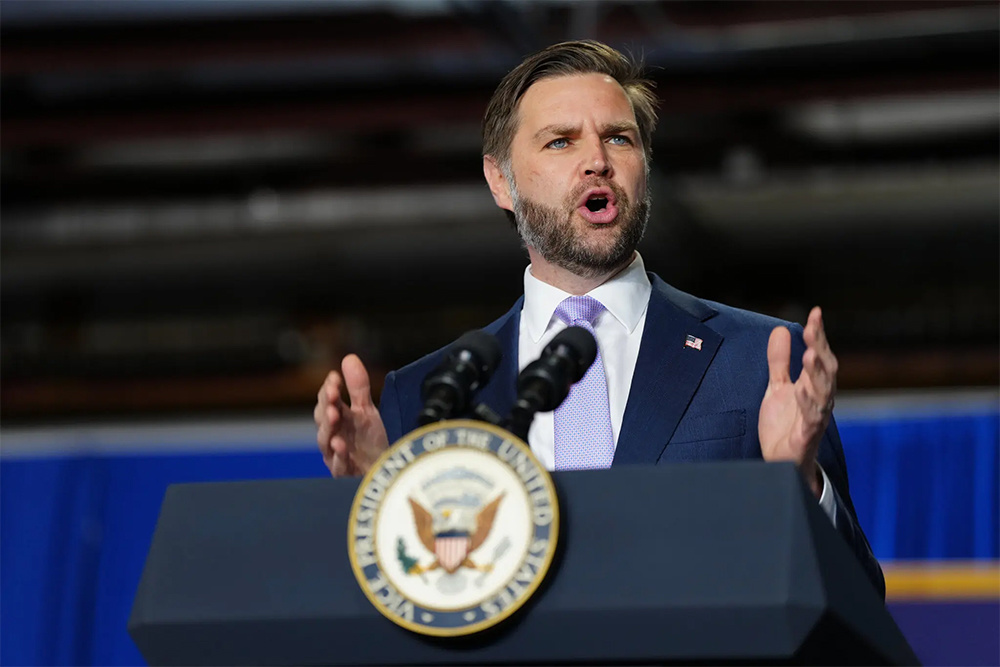
Vice President Vance at his book tour event.
“To be honest, I haven’t fully figured out all the reasons, but there are many sensitivities in the Arab and Muslim world that we have to consider. At the end of the day, does it really matter if the agreement is released on Wednesday or Friday?” Vance added.
Responding to recent criticism from hawkish conservatives about the ceasefire deal, Vance said: “First, they don’t actually know what’s in the agreement. Second, they don’t have a viable alternative. If the only backup plan is just bombing without a clear goal and without serving America’s core interests, that’s not a smart choice for the American people.”
On some MAGA supporters turning against Trump over the Iran policy, Vance expressed frustration: “It’s ridiculous to think about quitting the camp just because you don’t get your way. Politics doesn’t work like that.”
Iran’s Supreme National Security Council announced early on June 15 that the final text of the MOU between Iran and the U.S. has been finalized, and the naval blockade on Iran will be fully lifted immediately. Once the other side fulfills its commitments under the MOU, final agreement negotiations will begin.
The U.S. and Iran are expected to formally sign the memorandum in Switzerland on June 19. Vance and Iranian Parliament Speaker Mohammad Bagher Ghalibaf will lead their respective delegations, with Pakistan hosting the ceremony.
According to Iran’s Mehr News Agency, the draft MOU includes 14 points, such as a 60-day negotiation period to reach a final agreement. The final deal is expected to address nuclear issues, the full lifting of U.S. primary and secondary sanctions on Iran, and the cancellation of relevant UN Security Council and IAEA Board of Governors resolutions.