On June 16, Eastern Time, the two-day Federal Reserve policy meeting kicked off in Washington, D.C. This was also the first time Chair Walsh presided over a rate-setting session since taking office.
On June 17, the Federal Open Market Committee (FOMC) announced after the meeting that it would keep the federal funds rate target range unchanged at 3.50% to 3.75%.
This fourth consecutive hold was widely expected by the market. As of the close on June 16, futures markets priced a 99.4% probability of no rate cut this week.
This marks the first unanimous FOMC decision in nine months. The dot plot showed nine officials expect a rate hike this year, with six anticipating at least two hikes. One of the 19 participants did not provide a rate forecast,making the hawkish tilt stronger than market expectations.
With the U.S. and Iran close to signing a memorandum of understanding, energy prices have eased, fueling hopes that inflationary pressures will subside.
The Summary of Economic Projections showed the Fed sharply raised its median forecast for the personal consumption expenditures price index this year to 3.6% from 2.7% in March, and its core inflation forecast to 3.3% from 2.7%. The forecast for U.S. economic growth this year was lowered to 2.2% from the previous 2.4%.
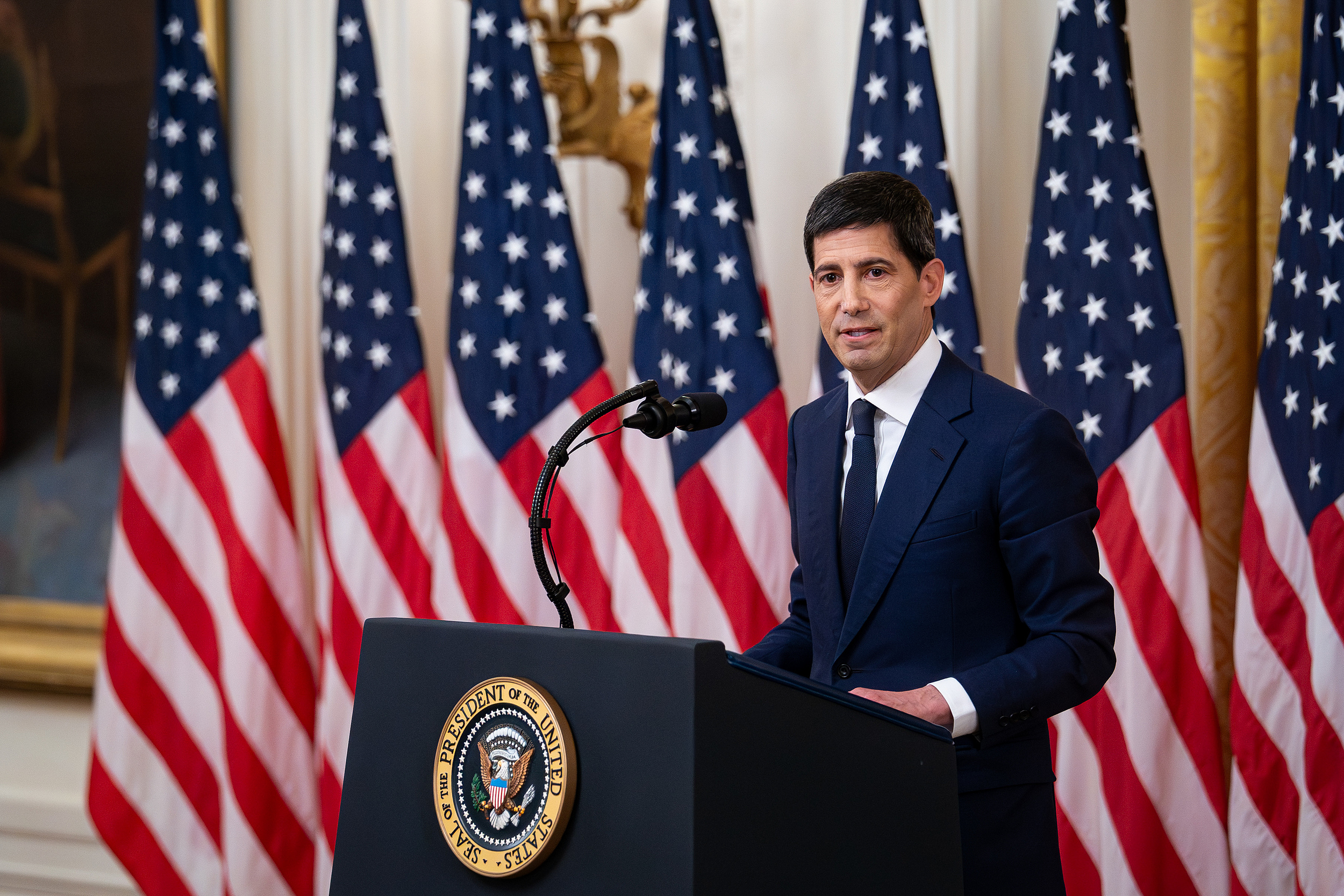
This notable shift highlights the tough spot Walsh finds himself in, trying to balance saving jobs with taming inflation. Heacknowledged that inflation has been running well above the Fed’s 2% target, calling persistently high prices a burden on American families.
The policy statement, shaped under his leadership, dropped forward guidance on rates, committing instead to price stability. It focused only on the inflation side of the Fed’s dual mandate and noted that the Middle East conflict brings high uncertainty to the economy.
The dot plot released after the meeting showed an even clearer hawkish lean. Half of the policymakers now expect at least one rate hike this year.
Beyond the rate decision, markets were also closely watching Walsh’s remarks at the post-meeting press conference. He emphasized two key directions: reshaping the Fed’s communication framework and clarifying its inflation policy.
He stressed that 2% is a long-term, rigid inflation target, promising to address the five-year inflation overshoot with no plans to adjust the target for now. He made clear the Fed cannot control supply-side prices like energy, and its core job is to prevent a “second-round price effect” from inflation.
He also pointed out that current inflation data relies on outdated survey methods, and the Fed will push for statistical system reforms to improve data accuracy. He said the Fed will not offer pre-commitments on future policy actions, hinting that the dot plot could be completely scrapped by year-end after a full review of its communication approach.
Specifically, Walshannounced the immediate creation of five special task forces covering communication mechanisms, the balance sheet, data source usage, productivity and employment, and the Fed’s inflation framework, with recommendations due by year-end.
A research note from CITIC Securities said that with the U.S. and Iran close to signing a memorandum of understanding, the energy shock and inflation impact from geopolitical tensions are easing at the margin. Combined with political pressure from the White House, the note argues Walsh won’t support a rate hike this year, and the FOMC’s 50-50 split will eventually converge toward the Chair’s stance, keeping the forecast of no policy rate change this year intact.
After the rate decision, President Trump struck an unusually calm tone. Speaking to reporters after the G7 summit in France, he said he didn’t mind the Fed holding rates steady, but a rate hike would be unusual and hurt economic growth.
Since taking office again in January 2025, Trump has repeatedly pressured the Fed to cut rates, criticizing former Chair Powell’s actions as always “too late and too wrong.” On January 30, he nominated Walsh to be the next Fed Chair.
On May 22, Walsh was sworn in as the new Fed Chair in Washington. In his swearing-in speech, he said he would lead a “reform-oriented” Fed and emphasized that the Fed should fulfill its duties of controlling inflation and achieving maximum employment with “independence, clarity of judgment, and firm stance.”
At the time, markets widely expected Walsh to pursue a policy mix of “gradual rate cuts + accelerated balance sheet reduction + inflation framework reform” once in office, balancing the Trump administration’s calls for lower rates with his own monetarist convictions.