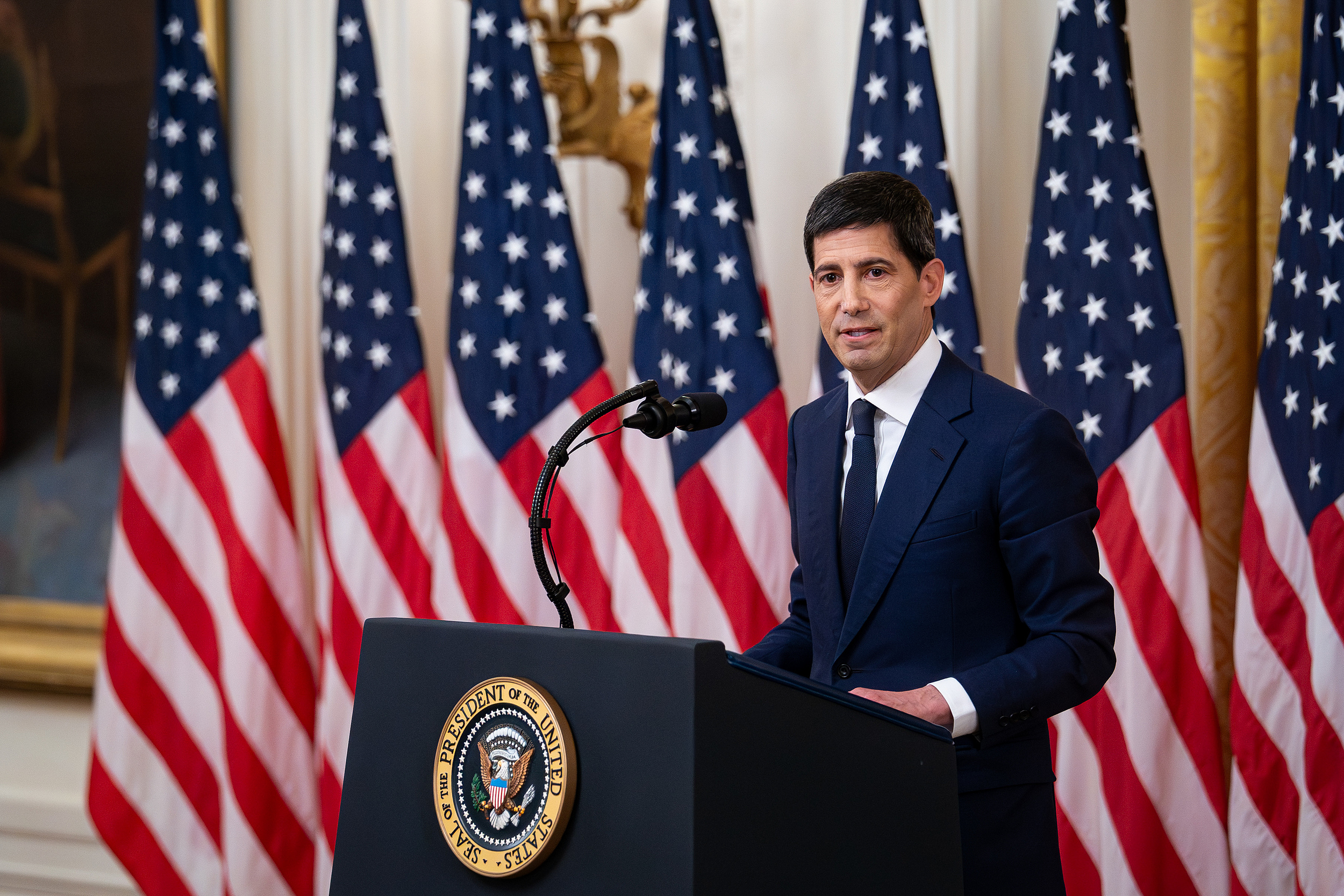
The Teochew-language film “Love Letter to Grandma” kicked off its international release on June 18, 2026, starting in Hong Kong, Macau, Singapore, Malaysia, and Brunei. It’s set to roll out in over a dozen more countries and regions, including Thailand, France, Canada, Australia, New Zealand, the U.S., the UK, and Ireland.
Southeast Asia, home to a large Chinese diaspora, has seen the film resonate deeply. During pre-production, director Lan Hongchun and his team spent six months traveling across the region, interviewing over 120 elderly Teochew overseas Chinese, all aged 80 and above.
In Malaysia, the film is showing in over 100 cinemas with more than 500 screenings. It was already generating buzz in local Chinese communities before its release. Government officials, including the Deputy Minister of Tourism, Arts, and Culture, have praised the film’s focus on the “Qiaopi” (remittance letters) theme.
According to the latest stats, Malaysia’s ethnic Chinese population is about 7.73 million, roughly 22.6% of the total, playing a dominant role in the economy and maintaining a complete Chinese education system. The protagonist, Zheng Musheng, first lands in Malaysia when he goes overseas.
On June 16, when Singapore’s Golden Village Pictures started online ticket sales for the original-language version, a flood of users crashed the system, causing delays and loading queues, with the page eventually showing a “website under maintenance” message.
Cedric Behrel, co-founder and director of Trinity CineAsia, the UK’s largest Chinese-language film distributor, is handling the film’s release in the UK, Ireland, and France. Speaking at the Cannes Film Festival earlier this year, he noted that hardly anyone in the Western world knows about the history of Qiaopi (remittance letters), and he’s confident it will resonate with global audiences.
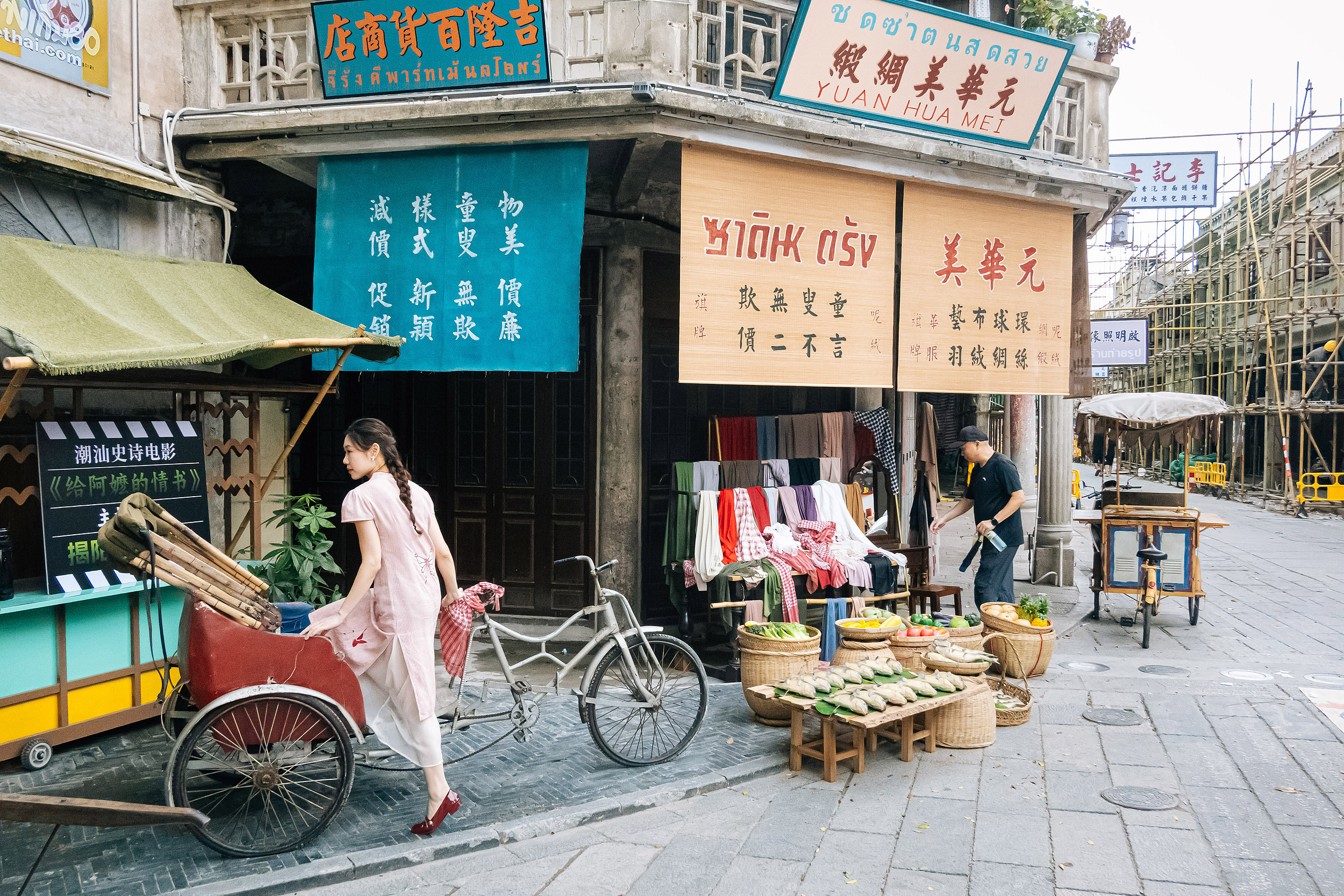
As of the afternoon of June 18, data from platforms like Taopiaopiao and Maoyan shows the film’s total box office at 1.769 billion yuan. With contributions from overseas markets, cinema operators widely predict it could hit at least 2 billion yuan.
To date, 133 films have crossed the 1 billion yuan mark in mainland China, including 38 imports, mostly big-budget superhero, animation, and sci-fi flicks. It’s extremely tough for domestic dramas or art-house films to break that ceiling.
Like the “Ne Zha” series, “Love Letter to Grandma” has become a cultural phenomenon, sparking industry-wide discussions on overcoming creative plateaus, dealing with AI’s impact, and reviving cinematic prosperity.
Unconfirmed reports suggest the film’s production budget was around 14 million yuan, about one-third of other May Day holiday releases. According to previous reports, under the domestic market’s revenue-sharing rules, production companies typically take home about 39% of the total box office. That means if the film hits 1.8 billion yuan, the return on investment could be a staggering 50 times.
Industry consensus says a film needs to earn three times its production cost to break even. “Love Letter to Grandma” has far exceeded that. Director Chen Sicheng of the “Detective Chinatown” series once noted that a daily box office of 15 million yuan is the survival line for Chinese cinema.
A commentary pointed out that when the “blockbuster formula” no longer guarantees success, breaking out becomes much harder, and the risks for film investments inevitably grow. In this climate, film companies may need to rethink their investment strategies.
The film was once seen as a likely “sacrificial lamb” for the May Day holiday. On its opening day, April 30, it had just 1.6% of nationwide screen share and a paltry 3.77 million yuan in box office. But thanks to word-of-mouth from regular viewers, it broke through regional barriers and pulled off an epic comeback before the holiday ended, turning it into a textbook case for the industry.
Public records show that director Lan Hongchun is a native of Chaoyang, Shantou, with a degree in Chinese literature. He has spent years focusing on local family-themed stories. As he’s said publicly, it’s the soil of Guangdong that nurtured him, and the empathy of everyone involved lifted the film. The current box office success is far beyond anything he ever imagined.
Watching a movie is a classic emotional experience, with its core value lying in emotional release or connection. “Love Letter to Grandma” uses a restrained, storytelling approach, tapping into universal values like love, nostalgia, and loyalty to strike a powerful emotional chord with audiences. A significant number of viewers have bought tickets multiple times and recommended it to friends and family.
As of this writing, the film’s Douban rating has climbed to 9.3, with 890,000 users weighing in and nearly 70% giving it five stars. Douban is a hub for serious film enthusiasts, with over 200 million core movie fans and a notoriously tough rating system, making this a strong endorsement.
The film’s explosive success has also boosted cultural tourism in Guangdong and Southern Fujian-speaking regions. Museums dedicated to overseas Chinese themes in cities like Guangzhou, Shantou, Quanzhou, and Xiamen have become hot new attractions. Shantou’s Qiaopi Museum saw a 47.29% year-on-year increase in visitors in May, while the Zheng Zhengqiu and Cai Chusheng Film Museum saw a 71% jump.
On Douyin, many netizens from outside the region have been posting about “Grandma’s favorite dishes” and other Teochew specialties, driving demand for items like ginger sweet potato soup, rice rolls, olive vegetables, and oil mandarins.
Shantou, Jieyang, and Chaozhou have launched themed travel routes covering old-town mansions, farm picking, coastal leisure, and food experiences.
Rao’ping and other areas have introduced overseas Chinese heritage study tours, partnering with Hong Kong travel agencies to attract Teochew descendants from abroad for root-seeking trips. They’re also promoting local cultural tourism resources through events like the Hong Kong Teochew Festival, expanding overseas markets.