According to a report by Reuters on the 21st, citing Buckingham Palace, King Charles III of the United Kingdom will reveal his personal tax situation for the 2024-2025 fiscal year on the 25th. This makes him the first reigning monarch in British history to disclose his personal tax records.
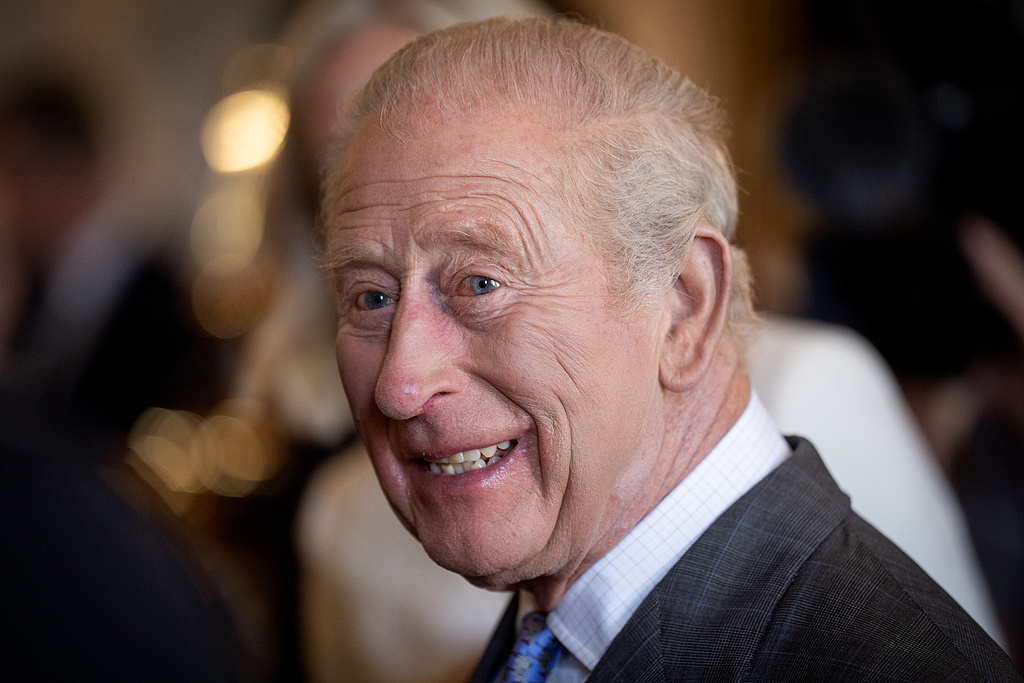
King Charles III (file photo)
Under the UK government’s Memorandum of Understanding on Royal Taxation, British law does not require the monarch to pay income tax, capital gains tax, or inheritance tax. In 1993, the late Queen Elizabeth II and then-Prince Charles voluntarily signed an agreement to pay these taxes. In 2013, the royal website released a tax statement showing that Charles had paid over £5 million in taxes the previous year. By choosing to make his personal tax records public in the annual royal accounts—and turning this into a yearly tradition—Charles has become the first monarch to do so. British media outlets like the Financial Times describe this as a major step toward modernizing the royal family.
Previously, Charles’s brother, former royal Andrew, was involved in the Epstein scandal, severely damaging the monarchy’s image. More recently, Andrew was exposed for subletting a royal estate property he acquired at a low price for personal profit, fueling public discontent over royal finances. A palace spokesperson stated that the disclosure will cover Charles’s personal investment gains, private asset income, and taxes paid from his Duchy of Lancaster earnings, aiming to respond to calls for greater financial transparency.
However, the debate over royal financial transparency hasn’t fully subsided. According to The Guardian, some protest groups argue that since royal estates aren’t commercial companies, income from them isn’t subject to capital gains tax. Critics claim the real issue is that the royal family enjoys tax exemptions and special legal privileges unavailable to ordinary citizens. The Times, citing data from pollster Ipsos, reports that public support for the monarchy has dropped from a peak of 80% in 2012 to 55% now. Support for abolishing the monarchy has risen from 13% in 2012 to 27% this year. Among 18- to 34-year-olds, only 33% support the monarchy, far below the 74% recorded in 2013.