Over 400 large ships are currently parked in the waters east of the Strait of Hormuz, as vessel owners and shipping operators hold out for the full reopening of the key waterway after U.S.-Iran negotiations wrap up, according to reports from June 22.
An analysis of satellite data from the European Space Agency reveals that near the two major ports of Sohar and Fujairah on the eastern side of the strait, a total of 441 oil tanker-sized vessels have gathered. The Sentinel-1 radar satellite spotted this massive fleet during its flyover at 2:15 p.m. Greenwich Mean Time on June 21.
Several shipping companies have confirmed they’ve positioned their ships in the surrounding Gulf waters, ready to sail through the strait the moment it fully opens.
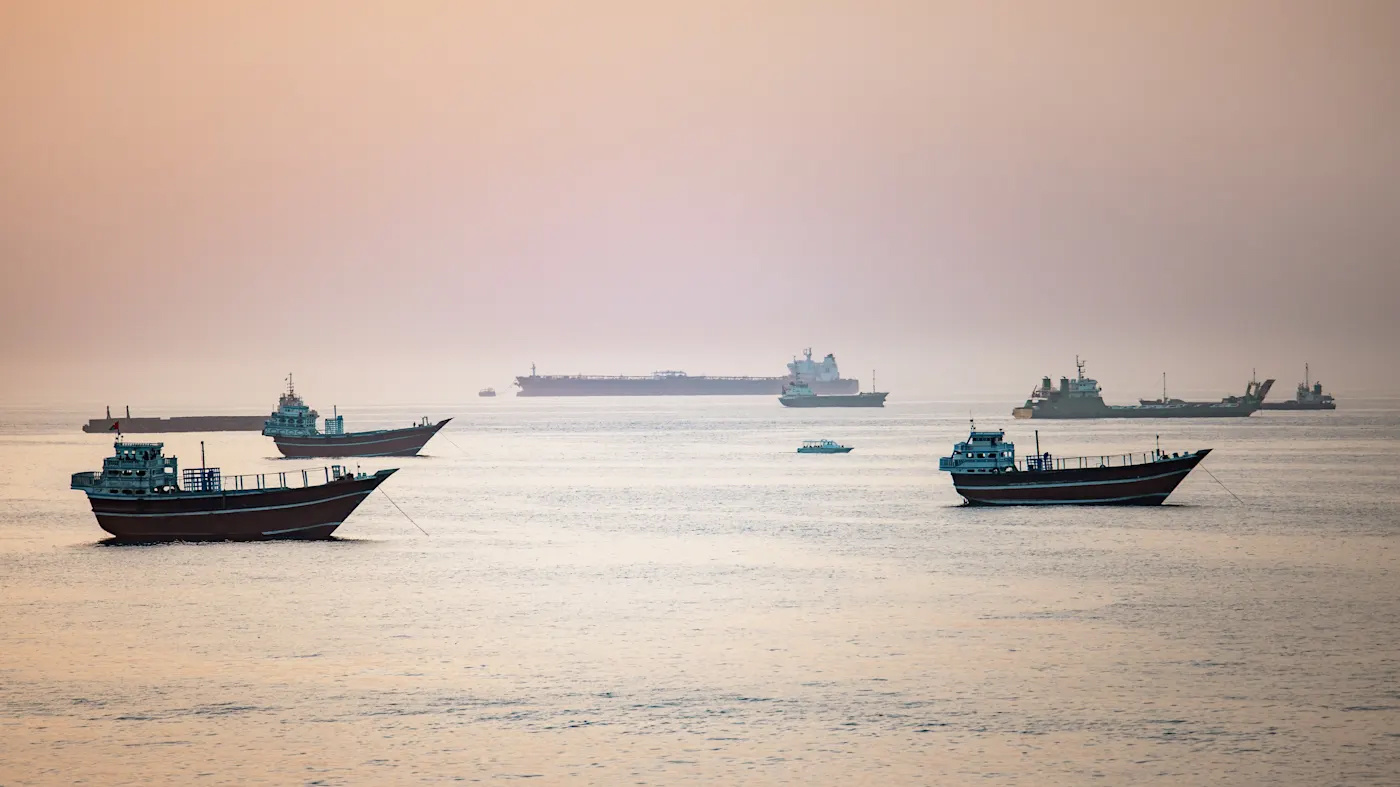
Ships anchored near Oman’s Port Sultan Qaboos on June 19. HA Viewpoint
The number of stranded vessels has surged compared to April, when the U.S. initiated a blockade of the strait. While the current congestion is historically high, the count is down by 42 ships from the last Sentinel-1 pass five days earlier.
After the preliminary U.S.-Iran deal was announced last week, shipping firms grew more confident about safety and started sending some vessels through the strait.
Even though Iran had agreed to open the main channel and clear naval mines, it re-imposed a blockade on June 20 following an Israeli strike on Lebanon. Satellite monitoring on June 21 showed no visible traffic in the main channel.
From late June 20 into the early hours of June 21, U.S. and Iranian delegates held intensive talks in Switzerland over the final agreement framework. A U.S. official said the discussions included “clarifying Iran’s inconsistent statements about the Strait of Hormuz” and setting up conflict-avoidance mechanisms to ensure the waterway stays fully open.
Iran has previously hinted that, after a 60-day transition period, it may require passing ships to pay some form of transit fees, such as mandatory purchase of Iranian insurance.
Over the past week, shipping activity in the Strait of Hormuz has picked up noticeably, signaling that confidence is returning among operators, even with the final deal still up in the air.
On the morning of June 22, four Qatari LNG tankers passed through the strait, marking the highest single-day count for such vessels since the conflict began on February 28.