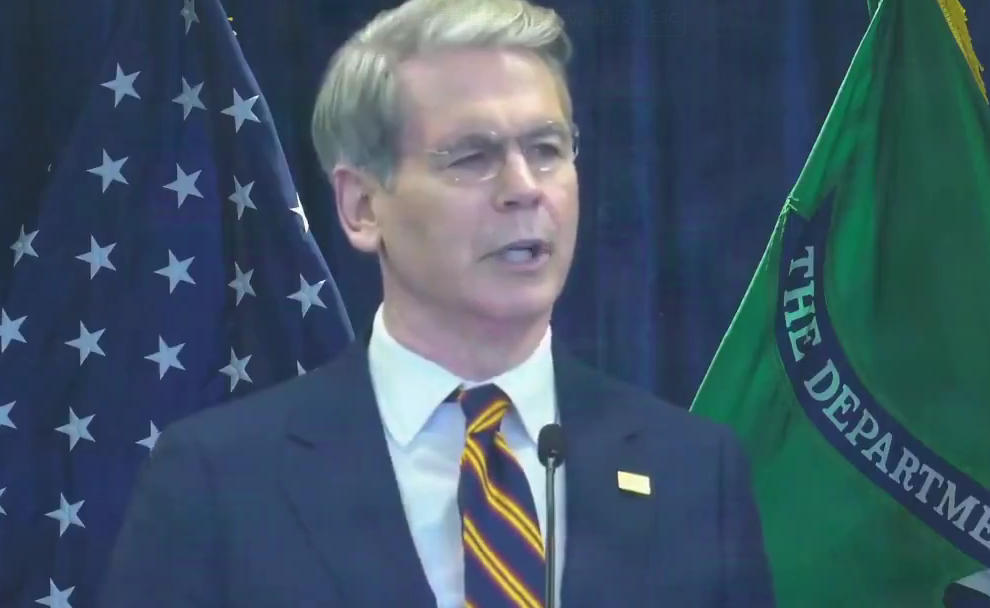
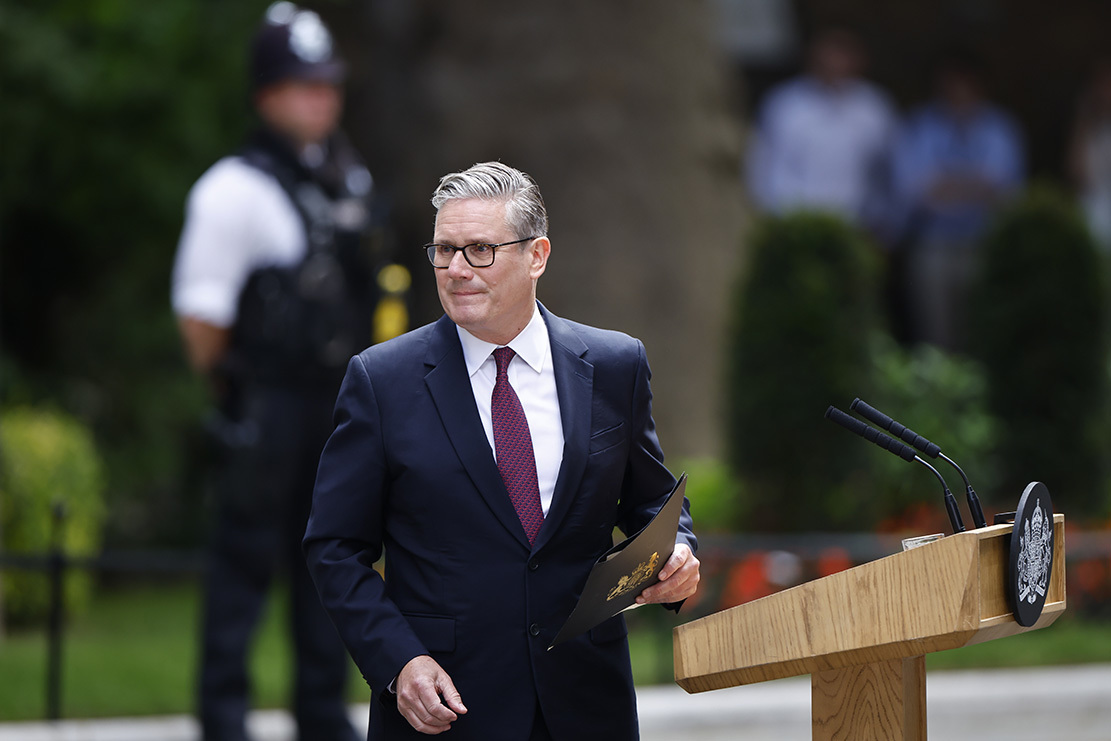
Here’s what’s happening: The President of the Czech Republic, Petr Pavel, has officially filed a lawsuit with the country’s Supreme Court. He’s challenging a recent government decision that essentially kicked him out of the delegation heading to the upcoming NATO summit in Turkey.
For those keeping track, the summit is scheduled for next month. But here’s the kicker—this decision prevents the President from attending. Pavel didn’t hold back in his response, calling the move “unprecedented” and “extremely unfortunate.” He pointed out a long-standing tradition: for the last 20 NATO summits, it was always the President who led the Czech delegation. It’s a standard practice for member states.
“If we’re going to break this tradition for any reason, it has to be done through negotiation and consensus,” Pavel stated. “Not through a unilateral decision by the government.” That said, he’s promising to respect whatever ruling the Constitutional Court makes on the matter.
But this isn’t just about protocol; it’s about policy clashes. The debate over who gets to go has been brewing for months. It boils down to budget priorities. President Pavel is pushing hard to increase military spending at all costs to meet NATO targets. On the other side, Prime Minister Andrej Babis is focusing on domestic issues, like healthcare, arguing that’s where the immediate needs are.
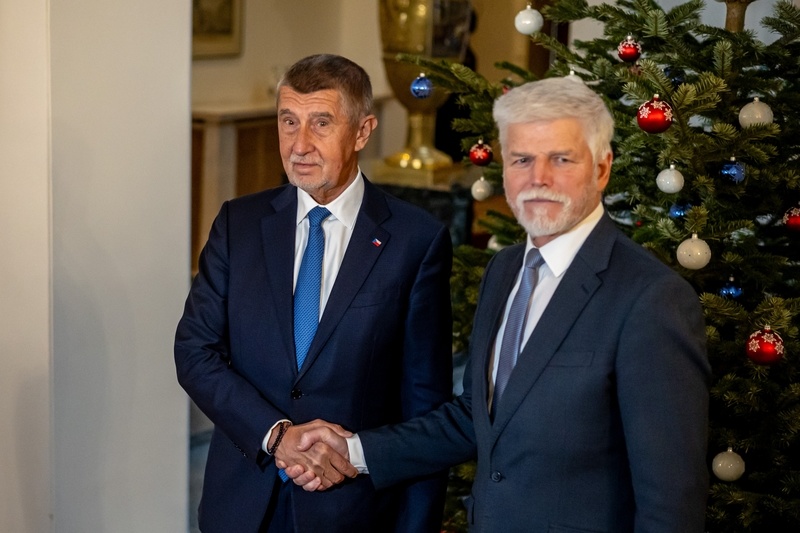
On January 7, 2026, in Prague, Czech President Petr Pavel (right) and Prime Minister Andrej Babis held a New Year’s luncheon at Prague Castle.
Things came to a head recently when Babis confirmed that the President would not be joining the official delegation. This announcement only fueled the fire in an already tense relationship between the country’s top leaders.
Just two days before the lawsuit, on June 22, Babis told reporters that he, along with the Defense Minister and Foreign Minister, would form the official Czech delegation for the NATO summit in Ankara this July.
Now, a bit of context on the Czech political system helps explain why this is such a big deal. The Czech Republic is a parliamentary republic. The President is the head of state, but traditionally, that role has been largely ceremonial. The Prime Minister is the head of government. The legislature is bicameral, consisting of the Chamber of Deputies and the Senate, with the Chamber holding the most power and holding the government accountable.
However, since the President became directly elected in 2013, there’s been a noticeable shift. The political system is trending toward a semi-presidential model, which gives the President more real-world influence than before.
According to Bloomberg, the Czech Republic missed the NATO benchmark of spending 2% of its GDP on defense in 2025. Unfortunately, they’re likely to miss it again this year.
Prime Minister Babis has pledged to hit that 2% target starting in 2027. As a billionaire himself, Babis is also betting on his close personal relationship with U.S. President Trump to help shield him from harsh criticism at the summit regarding the country’s underinvestment in defense.
Looking ahead, NATO allies agreed last year to raise defense and security spending to 5% of GDP by 2035. Of that, 3.5% must go toward core military expenditures. The pressure is definitely on.