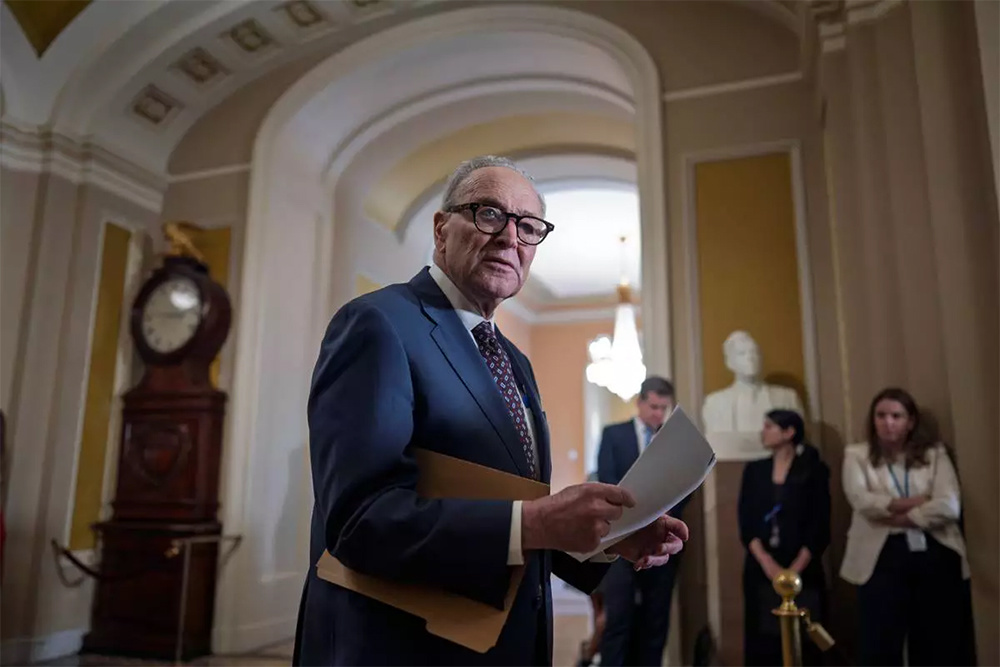
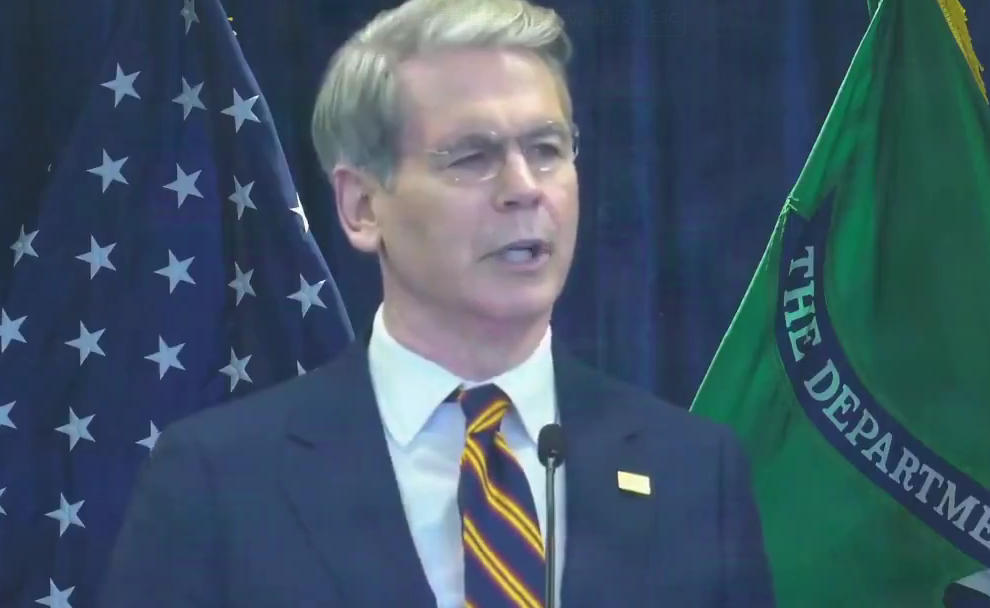
HA Viewpoint: The diplomatic landscape between Washington and Tehran is currently shrouded in fog. On the 22nd, US Vice President Vance announced that negotiations had made significant progress, laying a solid foundation for a final deal. He stated that Iran had agreed to invite International Atomic Energy Agency (IAEA) inspectors back into the country. The next day, President Trump reinforced this narrative on social media, claiming that Iran had fully committed to allowing top-level nuclear inspections in the long term. He further clarified that the frozen Iranian assets would be exclusively used to purchase food and medical supplies from the United States.
However, Tehran swiftly shot down these assertions. Iranian Foreign Ministry spokesperson Baghaei clarified on the 23rd that there are currently no plans to send IAEA inspectors to Iran’s damaged nuclear facilities. Adding to the confusion, the Governor of the Central Bank of Iran stated that Tehran has no obligation to buy agricultural products from the US. Foreign media analysts point out that these sharp discrepancies highlight the significant challenges both sides still face in implementing the memorandum of understanding signed last week.
Missile Issues Off the Table
Vance emphasized during a press conference in Birgensberg, Switzerland, that Iran’s agreement to IAEA verification of its nuclear program is a “major milestone” for the American people and the first step toward permanent non-nuclearization. Trump added that without this commitment, negotiations would stall. In exchange for Tehran’s concessions, he promised to keep the Strait of Hormuz open and avoid a naval blockade.
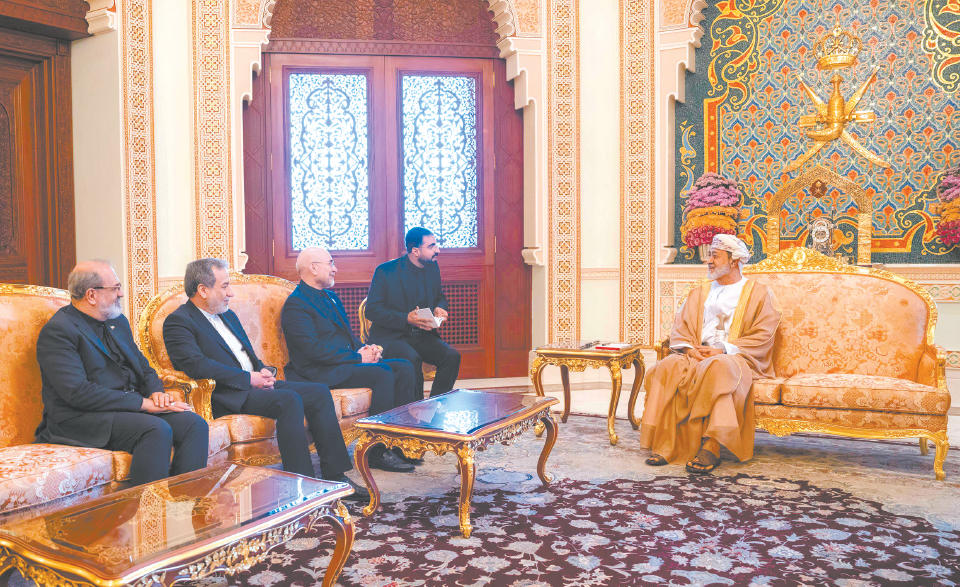
Meanwhile, Oman’s Sultan Haitham met with Iranian Islamic Parliament Speaker Kalbaaf and Foreign Minister Araghchi in Muscat on the 23rd. Historically, as a signatory to the Treaty on the Non-Proliferation of Nuclear Weapons (NPT), Iran has accepted routine inspections. The 2015 JCPOA required even deeper oversight. After the US withdrew from the deal in 2018, Iran restricted IAEA access to certain sites but maintained channels for other facilities.
Baghaei reiterated that Iran will not allow inspectors into damaged facilities, noting that no protocols exist for such scenarios. Iran will continue to follow existing NPT procedures. Regarding rumors of discussions on Iran’s missile program in Switzerland, Baghaei was firm: “Iran’s missile and defense capabilities have never been on the negotiation agenda, and they will not be in the future.”
Four Working Groups Established
According to Mehr News Agency, Iranian Deputy Foreign Minister Qaribabadi announced on the 23rd that parties involved in the negotiations, including Iran and the US, have decided to form four working groups. These will handle sanctions relief, nuclear issues, reconstruction and economic development, and supervision and implementation. Qaribabadi confirmed that an agreement to unfreeze $12 billion has been signed and is immediately entering the execution phase.
On the same day, the US Treasury Department issued a general license allowing the production, delivery, and sale of Iranian crude oil and petrochemical products until August 21. This marks the most comprehensive easing of US oil sanctions on Iran since the 1979 Islamic Revolution. However, Trump insisted that the frozen funds or money from lifted sanctions would go into a US-controlled escrow account specifically for buying American food and medicine.
Iran’s Central Bank Governor Hemmati pushed back, stating that Iran is under no obligation to procure American agricultural products. The agreement specifies that the first $6 billion in unfrozen funds can be used for essential goods and medicines, without restricting the source.
Kalbaaf, head of the Iranian negotiating team, stated after leaving Switzerland that the management of the Strait of Hormuz will “never return to its pre-war state.” Iran will manage the strait based on international law and its own arrangements. Following his meeting with Sultan Haitham, a joint statement emphasized that both Oman and Iran claim sovereignty and sovereign rights over their respective territorial waters in the strait. They agreed to establish a joint working group via their foreign ministries to discuss future management models, services, and fees in accordance with international norms.
Israel’s Stance: Reduce Dependence on US Military
The US-Iran negotiations face significant headwinds from Israel. The Israeli military claimed to have struck Hezbollah militants in the Ari Tel mountain ridge area on the 23rd, while Lebanon accused Israel of firing on civilians near Nabatieh, violating the ceasefire. Israeli Prime Minister Netanyahu, Defense Minister Katz, and IDF Chief of Staff Zvi Zamir issued a joint statement on the 22nd, vowing to continue military operations in southern Lebanon to address security threats and maintain the so-called “security zone.”
Netanyahu declared that Israel must reduce its military dependence on the United States and develop its own weapons production capabilities. He argued this is essential for sustaining the confrontation with Iran and its proxies. Domestically, the US ceasefire plan has faced opposition from right-wing figures. Mark Dubowitz, CEO of the Foundation for Defense of Democracies, criticized the memorandum as fundamentally flawed, calling it a mere expediency to stabilize energy markets, lower oil prices, and boost Republican midterm election prospects.
Robert Einhorn, former special adviser on non-proliferation and arms control to the Obama administration, expressed skepticism about the Trump administration’s ability to finalize a strict nuclear agreement within 60 days. However, he predicted that Iran would remain at the negotiating table regardless of the timeline. “Judging from Iran’s negotiating posture, they believe they are holding the steering wheel,” Einhorn noted.