HA Viewpoint | By HA Correspondent
On June 24 (local time), US Treasury Secretary Scott Bessent told CNBC that discussions with Iran include bringing the long-time adversary into the US dollar system, specifically by settling oil sales in dollars.
“In our negotiations with Iran, we are seeing that the Iranian side will adopt dollar settlement,” he stated, noting that this is part of a broader trend consolidating the US currency’s dominant position in the global economy.
Bessent also mentioned that the US Treasury will oversee the handling of Iran’s frozen funds, with operations conducted in Doha, Qatar. “A significant portion of these funds will be used to purchase US food and pharmaceuticals. Therefore, we will channel these funds back into US products,” he explained.
When asked about the traditional preference among US Treasury Secretaries for a strong dollar, Bessent replied, “What we care about is taking the right measures to keep the dollar strong.”
“I believe the main reason the dollar is strong is that our economic growth is leaving the rest of the world behind,” he insisted, adding that even with rate cuts, the dollar can remain robust as long as the economy accelerates.
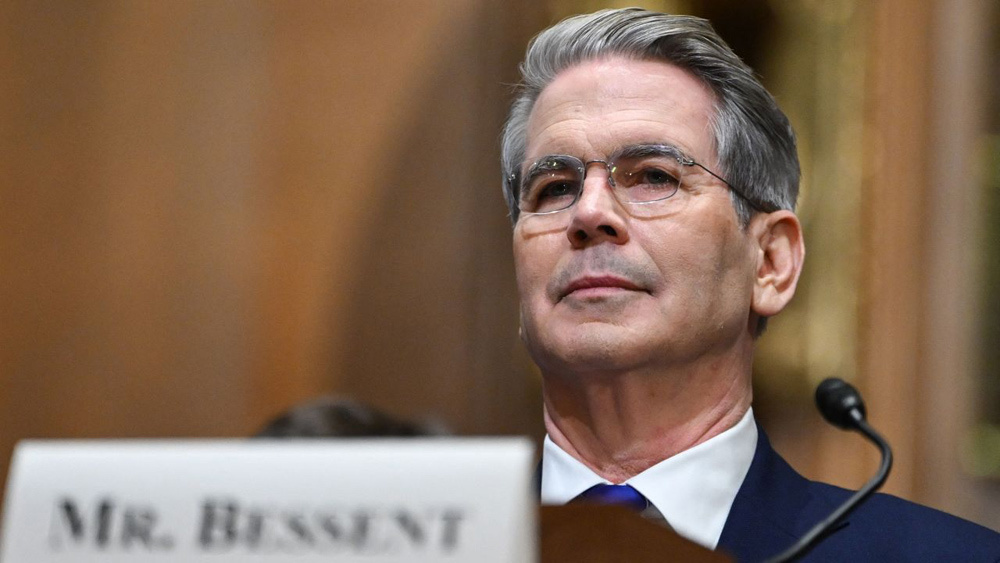
US Treasury Secretary Scott Bessent (File Photo)
Later on June 23, speaking at the Economic Club of New York, Bessent clarified that the concept of a “strong dollar” isn’t just about exchange rates.
Regarding the dollar’s depreciation since early last year, he said, “I don’t wake up thinking, ‘Great, this helps the economy.’ I just see it as a price on a screen.”
“The dollar’s dominance is crucial,” Bessent added in his CNBC appearance. “Everything we do is geared toward advancing the dollar.”
“Venezuela will price in dollars; they are returning to the dollar system,” Bessent said. He recalled that under previous sanctions regimes, specifically before the controversial removal of Venezuelan President Maduro, the Latin American country was “not allowed” to use dollars for transactions.
Previously, Venezuela sold oil at a discount but couldn’t access dollars. Now, he stated, “the dollar will be at the core of its trade.”
He also predicted that after the Russia-Ukraine conflict ends, Russia might rejoin the dollar system. He claimed the dollar’s global appeal stems from “our liquidity, our capital markets, and the depth and breadth of our markets—everyone wants to come here.”