According to a comprehensive report by CNN and other media outlets on the 3rd, more than three days have passed since US President Trump unveiled the next-phase plan for the Gaza peace agreement aimed at pushing Hamas to disarm. Yet, Israeli Prime Minister Benjamin Netanyahu has still not publicly stated whether he accepts the deal. Moreover, over the past weekend, Israel intensified its airstrikes, resulting in 28 deaths in Gaza — the highest single-day death toll in weeks — despite the fact that Trump’s proposed peace plan explicitly requires all parties to cease military strikes.
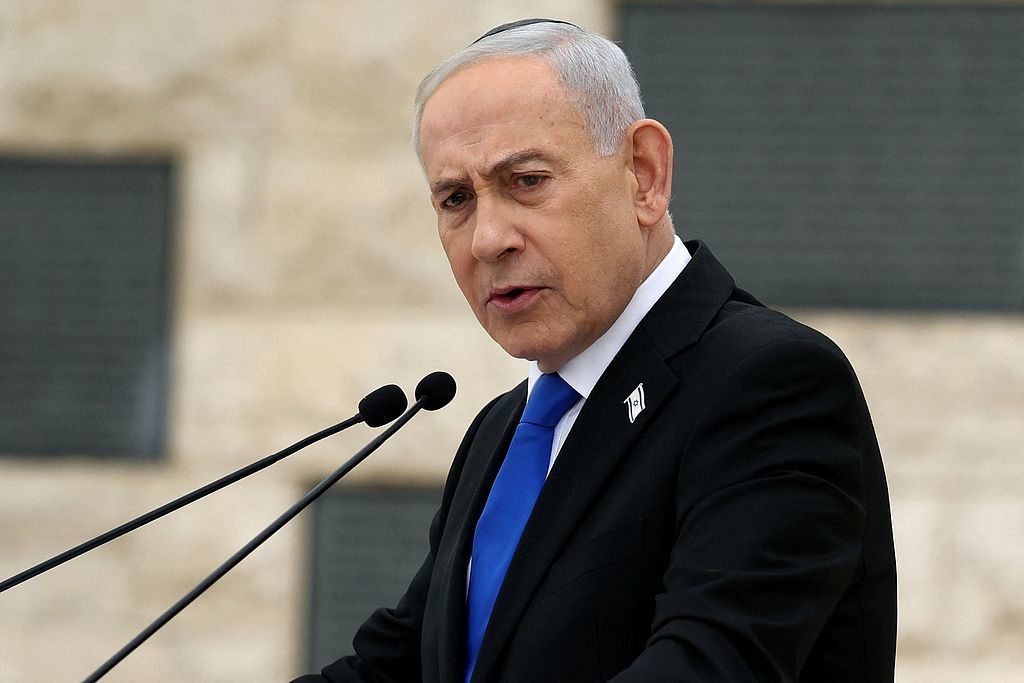
Netanyahu (Photo Credit: Visual China)
On July 30th, Trump posted on social media that the US-initiated “Peace Commission” had reached an agreement on the “complete disarmament” of Hamas and other armed factions in the Gaza Strip. Following Hamas’s disarmament, Israel would withdraw its forces from Gaza. While mediators and some Arab nations initially hailed the agreement as a major breakthrough, Israel’s official stance has only been communicated through anonymous officials, overseas spokespeople, and Netanyahu’s political allies. They emphasize that Israel has not signed the agreement and will not withdraw its troops from Gaza until Hamas is completely disarmed.
Netanyahu’s far-right allies have taken an even harder line, demanding the Prime Minister convene a cabinet meeting to outright reject the peace plan and completely halt its implementation. A lawmaker from Netanyahu’s Likud party publicly stated: “This agreement isn’t even worth the paper it’s printed on; it’s utterly meaningless. Not a single Israeli soldier will withdraw from the Gaza towns of Beit Hanoun or Khan Younis.”
CNN notes that the timing of Israeli elections is critical, with Israeli sources suggesting Netanyahu will absolutely not withdraw from any occupied territory until the elections conclude. There are reports that Netanyahu deeply suspects Hamas’s sincerity regarding disarmament, believing the group is merely using this peace framework as a stalling tactic to avoid a major Israeli military operation. One source revealed, “He (Netanyahu) doesn’t want to have a direct falling-out with Trump, so instead, he’s banking on Hamas ultimately reneging on the deal. If that happens, Israel can legitimately resume its military strikes.”
Domestic divisions within Israel are also widening. The UK’s Financial Times reports that Israel’s Defense Minister announced on live television on the 3rd his intention to dismiss a senior military commander responsible for the occupied West Bank. The rationale is that the commander advocated for extending the administrative detention of a Jewish extremist settler accused of violent assaults and sexual abuse against Palestinians. The public firing has sparked a political uproar within Israel, further intensifying the friction between the Israeli military and the government.