HA Viewpoint: In the wake of Prime Minister Keir Starmer’s resignation announcement, 56-year-old Andy Burnham has instantly emerged as the frontrunner to lead the Labour Party and potentially become the next UK Prime Minister. UK media outlets suggest that this former Mayor of Greater Manchester, widely dubbed the “King of the North,” has a high probability of taking the helm. However, analysts caution that the fall of six UK Prime Ministers in the last decade points to deeper, systemic issues within the country.
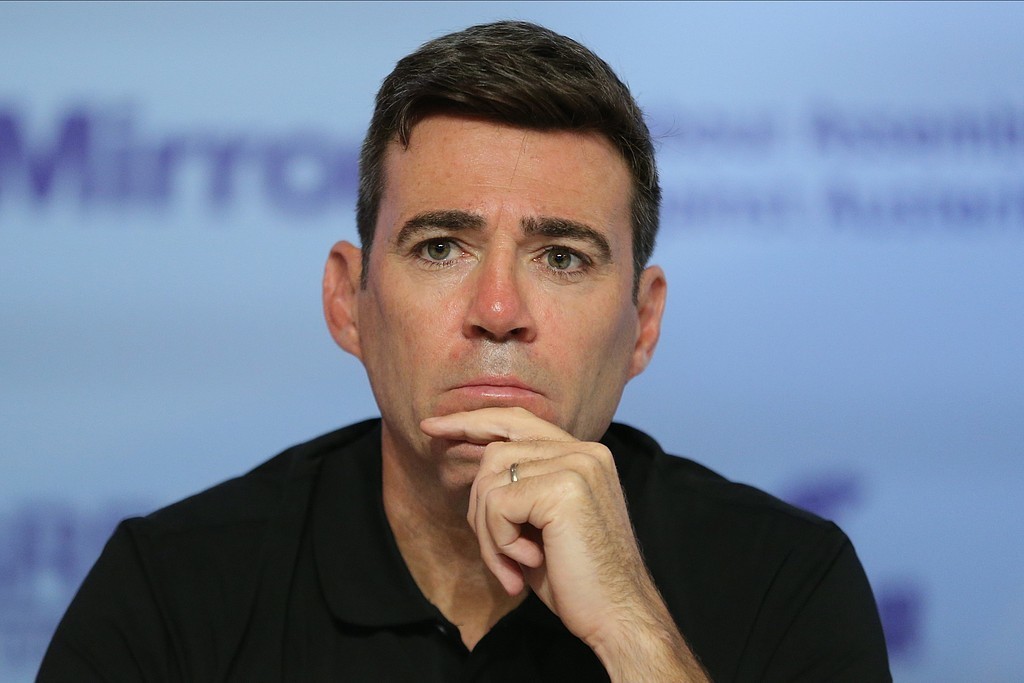
Andy Burnham
Unlike many British politicians who have spent their entire careers in the London bubble, Burnham has carefully crafted his image as the staunch defender of northern England’s interests. He is known for his direct communication style and ability to connect with everyday people. He navigates the complex machinery of Westminster with ease while remaining deeply rooted in working-class communities across the north. This unique blend of traits has garnered him widespread support within the Labour Party and among voters. That said, critics often label him a “swinging captain,” arguing that he frequently shifts his stance to align with the prevailing political wind.
According to reports, Burnham was born in Anfield, a suburb of Liverpool in northwest England, to an engineer father and a clinic receptionist mother. He grew up in the village of Chorley in Cheshire, describing his childhood as “idyllic.” He joined the Labour Party at the age of 14. The BBC notes that one of the key inspirations for his political career was the TV drama *The Gangster Chronicles*, which depicted the struggles of long-term unemployed individuals in Liverpool, leaving a lasting impression on him. After graduating from Cambridge University, Burnham moved to London to work as an editor and journalist before entering the political arena. Once in Parliament, he held several prominent roles in both the Blair and Brown governments, including Chief Secretary to the Treasury, Secretary of State for Culture, and Secretary of State for Health.
Following Labour’s defeat in 2010, Burnham launched his first bid for party leadership but finished in fourth place. He ran again in 2015, hoping to steer the party toward a more moderate, business-friendly image, but ultimately lost to the party’s left-wing figurehead, Jeremy Corbyn. Unlike many centrists who retreated from leadership after such defeats, Burnham stayed in the fray, taking on the role of Shadow Home Secretary.
After two unsuccessful leadership campaigns, Burnham gradually shifted his focus to local governance. In 2017, he left Parliament to run for the inaugural position of Mayor of Greater Manchester, winning with over 60% of the vote. He successfully secured re-election in 2021 with even higher support levels. During his tenure, his most notable achievement has been driving transport reform. Under his leadership, Greater Manchester became the first region outside of London to bring its bus system back under public control, establishing the unified “Bee Network” that integrates buses, trams, and other public transit services.
At the same time, Burnham has pledged to tackle homelessness and push for reforms in housing and community development. What truly catapulted him to national fame, however, was his public confrontation with the Conservative government during the COVID-19 pandemic. This weeks-long political battle significantly boosted his national profile. Combined with his effective management of the region, it earned him the moniker “King of the North.” Since 2025, as Labour’s popularity has waned and the Reform UK party has risen rapidly, Burnham has been increasingly vocal on national policy, signaling his intent to return to the center of UK politics. In June this year, he returned to Parliament via a by-election, setting the stage for a leadership bid.
For many Labour MPs, Burnham’s greatest asset is his ability to re-engage traditional voters who have drifted away from the party. In the recent Meirkefield by-election, Burnham led the Labour charge to a decisive victory. This constituency had recently become a key battleground for Reform UK. This win has further solidified confidence in him within the party.
Jon Thornley, a political science professor at the University of Liverpool, notes that while Burnham has been a “highly successful Mayor of Greater Manchester,” moving from city governance to leading the entire UK is a massive leap. Burnham, with his long background in local administration, has relatively limited experience in foreign affairs, defense, and national security. Analysts also warn that Burnham’s personal popularity—even if it leads to him becoming Prime Minister—does not guarantee the Labour Party will easily escape its current predicament. The UK still faces long-term challenges, including sluggish economic growth, mounting pressure on public services, and deep societal divisions.