On the morning of June 22 Beijing time, in the second round of Group H at the 2026 FIFA World Cup, Cape Verde fought back to a 2-2 draw against Uruguay.
Uruguay, a former World Cup champion and Olympic gold medalist in the last century, faced a Cape Verde team making its debut, which once ranked as low as 182nd in the world.
In the previous group match, this World Cup newcomer had already pulled off the biggest upset of the tournament. Their opponent, Spain, launched a relentless attack but was held to a 0-0 draw.
Spain, ranked third globally and winners of the 2010 World Cup in South Africa, was competing in its 17th World Cup and was predicted by Goldman Sachs and others as the top favorite to win it all.
In contrast, Cape Verde has no superstars, with a total squad value of just €54.5 million. Vozinha, the 40-year-old goalkeeper, has become a true Cinderella story of this tournament, embodying the journey of this grassroots team.
Vozinha currently plays for Chaves in the Portuguese second division. In the match against Spain, he was everywhere, stopping 27 shots, including 7 on target.
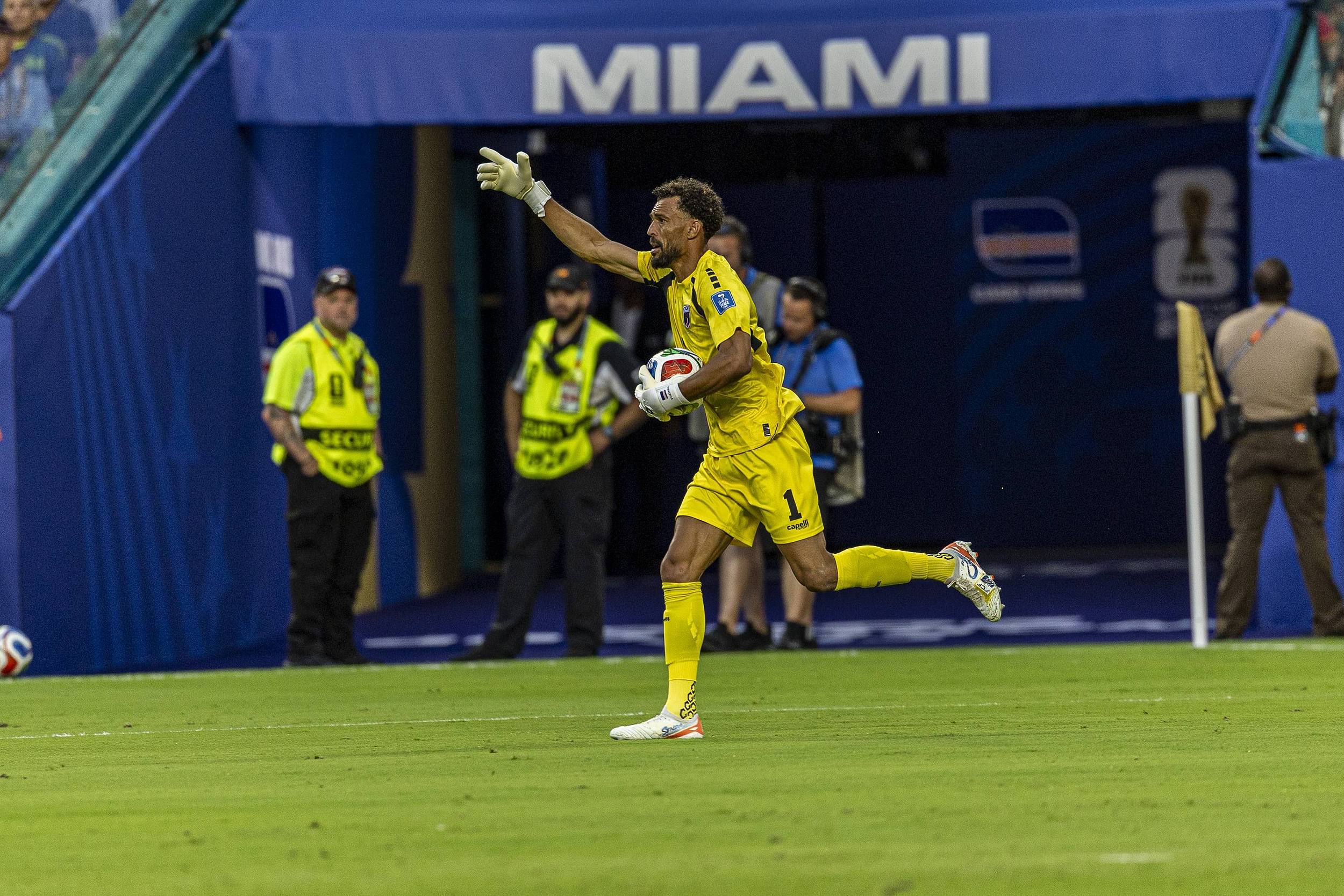
After the game, his social media followers skyrocketed by over 200 times, surpassing 14.6 million in just five days.
For the first match, Vozinha’s mother couldn’t attend because of the high cost of a U.S. visa ($15,000) and complex procedures. Eventually, with help from various parties, she got a special exception.
Looking ahead, if they can draw with Saudi Arabia in the final match, Cape Verde, with 3 points, still has a chance to advance as one of the eight best third-placed teams based on goal difference, continuing their miracle of reaching the knockout stage in their debut.
Cape Verde, located on the Cape Verde archipelago in the North Atlantic, covers just 4,033 square kilometers with a population of under 550,000. The country was a Portuguese colony from 1495, became an overseas province in 1951, and gained independence on July 5, 1975.
With food not self-sufficient and a weak industrial base, Cape Verde ranked 135th out of 193 countries in the UN Development Programme’s Human Development Report 2025.
Some analysts note that Cape Verde’s debut World Cup campaign, drawing two former world champions, offers a positive inspiration for other countries.
Cape Verde has no domestic professional league, but by leveraging historical ties with Portugal, they systematically naturalized overseas diaspora players of Cape Verdean descent, achieving a massive leap at minimal cost.
Additionally, thanks to FIFA’s expansion of the World Cup, Cape Verde earned its first ticket, proving that even underdog teams can stand on the world stage and inject suspense into the tournament.