

A powerful 7.4-magnitude earthquake struck Colombia in the early hours of August 10, with the epicenter located in the Chocó department. The quake has caused hundreds of casualties and extensive property damage, with cities like Cali, Pereira, and Manizales bearing the brunt of the devastation.
The Chinese Embassy in Colombia immediately activated its emergency response mechanism, conducting a comprehensive check on the situation of Chinese citizens in the affected areas. As of now, no information regarding Chinese casualties has been received.
According to the latest update from the Colombian government at the time of this report, the earthquake has resulted in 132 deaths and 570 injuries, with 32 cities suffering severe damage.
The Colombian Geological Survey stated that this powerful earthquake has absolutely no connection to the recent activity of the Puracé volcano or the Los Coconucos volcanic chain. Notably, on the morning of the 10th, the Puracé volcano emitted ash and gas, prompting the temporary suspension of operations at the nearby Popayán airport.
Puracé volcano, located in the Cauca department in southwestern Colombia at an altitude of about 4,750 meters, is one of the country’s most active volcanoes. On August 1, the Colombian Geological Survey raised the alert level for the “Puracé-Los Coconucos volcanic chain” from yellow to orange, citing increased shallow seismic activity and higher columns of ash and gas emissions as unusual changes.
This devastating earthquake struck just three days after President Del Espriella was sworn into office. In his address, Del Espriella stated that the earthquake has damaged at least 1,612 homes to varying degrees, completely collapsed 61 buildings, and damaged 18 healthcare facilities, 52 educational institutions, and 18 roads. Infrastructure at six airports across the country has been compromised, leading to the suspension of commercial flights.
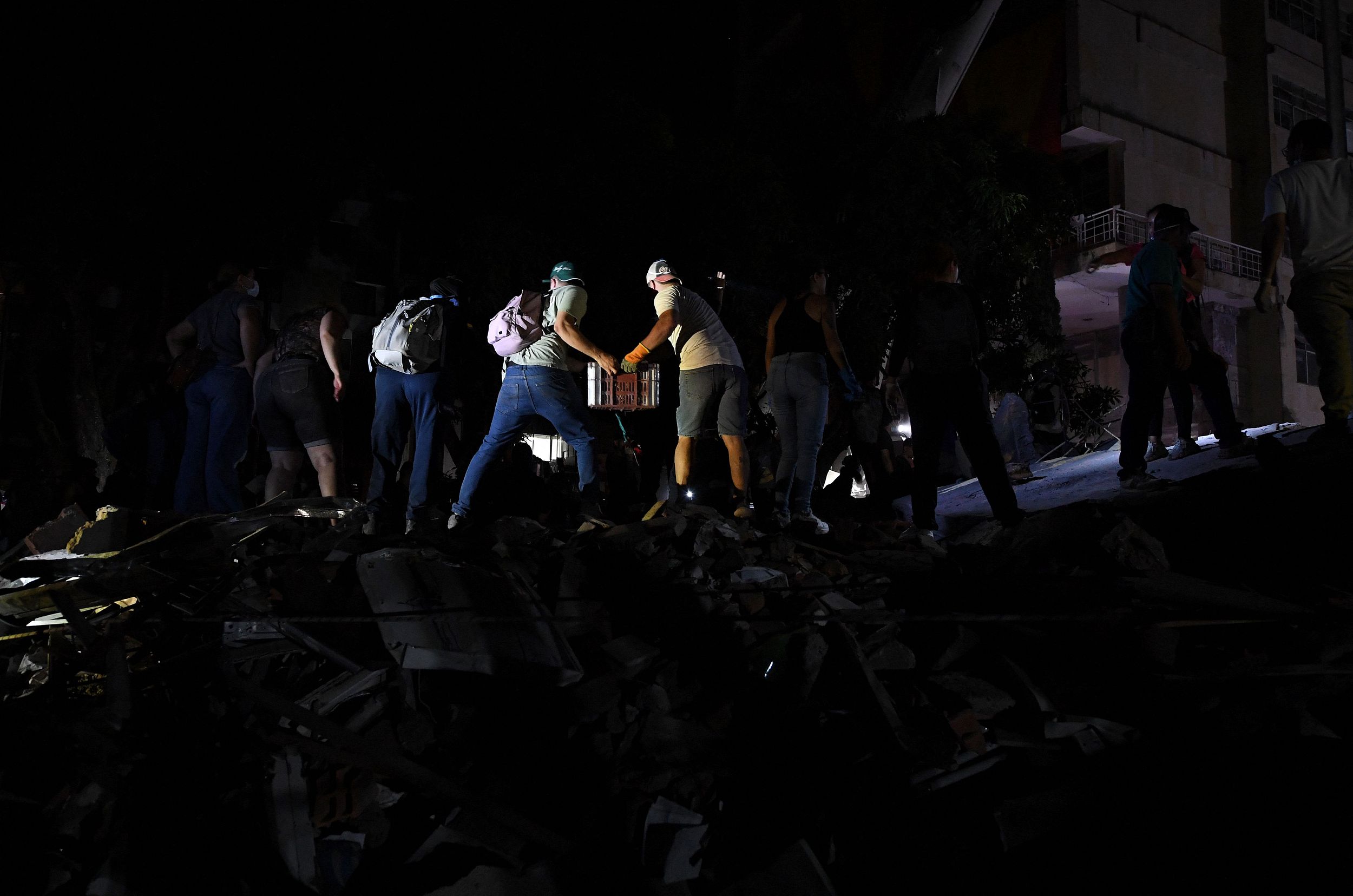
The Colombian government declared a “national disaster state” that same day to address the crisis. The central government has mobilized all available resources to protect lives, assist affected communities, and provide support to all regions in need.
In Cali, Colombia’s third-largest city, at least dozens of buildings have collapsed, with some people trapped in the rubble. Local rescue teams have launched operations, searching for survivors in the destroyed structures. The mayor of Cali has requested rescue team support from the capital Bogotá and the second-largest city Medellín to assist with emergency response, while also urging residents to evacuate buildings that have suffered structural damage.
The Cali city government has announced a curfew for that night, running from 8:00 PM on August 10 to 6:00 AM on August 11, and has called on citizens to remain calm. Authorities have reminded the public that those whose homes have been damaged can take shelter at two temporary refuges set up in the city.
Del Espriella stated that the government has deployed all its forces to ensure the safety of citizens’ lives, assist affected communities, and transport relief supplies to all areas in need. The top priority is the search and rescue of people trapped beneath the rubble.
Colombia sits within the coverage of the Pacific Ring of Fire, a zone of highly active tectonic plate movements. The country typically records thousands of minor earthquakes each month.
Strong earthquakes are often accompanied by secondary landslides and mudslides, which can further amplify the damage in mountainous regions. On September 3 last year, a 6.3-magnitude earthquake struck Antioquia department in Colombia, killing at least 17 people and injuring over 700. The quake caused numerous mining facilities to collapse, resulting in direct economic losses of nearly $1 billion.
The hardest-hit area in this earthquake is the Risaralda department, a key coffee-producing region in Colombia. Many plantation irrigation systems and storage warehouses have collapsed, with preliminary estimates putting direct economic losses at over $230 million.
Colombia is also the world’s largest producer of washed Arabica coffee, consistently accounting for more than 30% of global specialty Arabica bean exports. In the short term, the market supply of specialty Colombian beans will experience a significant gap. Additionally, the aviation industry has suffered direct losses exceeding $30 million. Post-disaster reconstruction is expected to take at least 18 months.