

The procedural hearing regarding the detention justification for Akihito Murata, the man who previously forced his way into the Chinese Embassy in Japan, took place at the Tokyo District Court on August 5.
According to reports from CCTV News, Murata stated that day that he deeply regrets his actions.
On the morning of March 24 this year, Muratacarried an 18-centimeter knife as he climbed over the wall and forcibly entered the Chinese Embassy in Japan, threatening to kill staff members “in the name of God.”
The Japanese Metropolitan Police Department reported that Murata is 23 years old, born in Kurashiki City, Okayama Prefecture, and a graduate of Sophia University’s philosophy department. He is currently a Third Lieutenant assigned to the Ground Self-Defense Force’s Ebino garrison.
The Ebino garrison, located in the Ebino region of Miyazaki City, Miyazaki Prefecture, was previously selected as the deployment site for “high-speed gliding missiles for island defense,” a move marking Japan’s shift from a “purely defensive” strategy toward one with long-range strike capabilities.
Murata was subsequently arrested on suspicion of illegal entry into a building. During questioning, he admitted that he forced his way into the embassy to express a demand: that Japan stop taking a tough stance, or he would use the knife he carried to kill himself. Murata’s parents have publicly stated that their son showed no extreme tendencies while growing up and studying in his hometown.
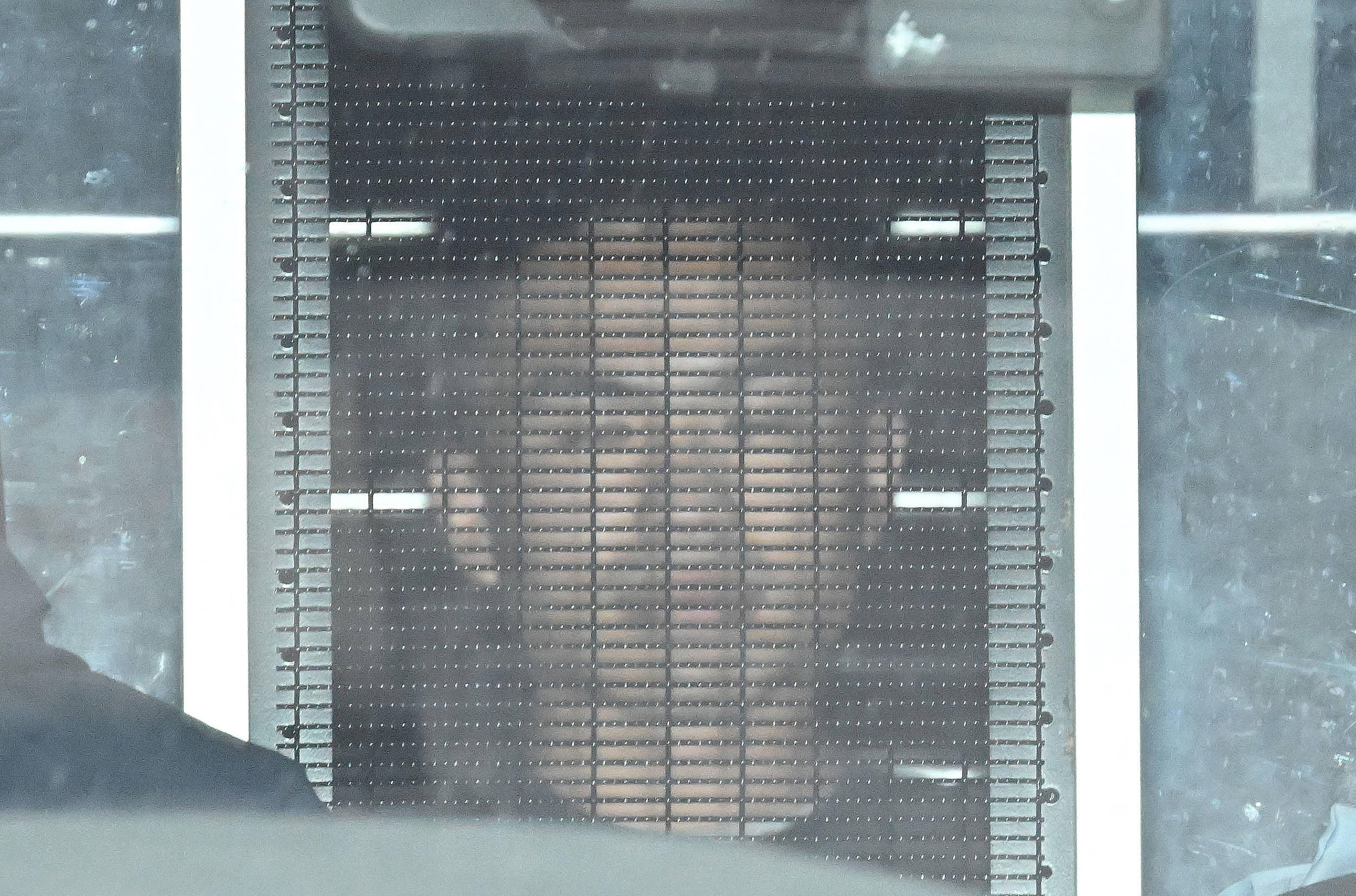
On July 27, the Tokyo District Public Prosecutors Office formally indicted Murata on charges including building intrusion, violating the Swords and Firearms Control Law, and intimidation. Following a psychiatric evaluation, prosecutors confirmed he has full criminal responsibility. His defense attorney applied for bail, but the request was denied.
Later that same day, a spokesperson for the Chinese Embassy in Japan commented on the incident, noting that it exposes the harmful influence of the Japanese government’s erroneous policies on core issues in Sino-Japanese relations, such as history and Taiwan, and serves as a social breeding ground for the rise of “new militarism.” Japan must take responsibility, provide a credible explanation to China and the international community, dig into the root causes, and severely punish those involved.
A country’s embassy is regarded as its sovereign territory abroad. Under the Vienna Convention on Diplomatic Relations, host states are obligated to ensure the safety and dignity of foreign embassies and consulates, preventing anyone from intruding upon or damaging embassy buildings, disturbing their peace, or impairing their dignity.
Since Shigeru Ishiba took office as Japan’s prime minister last year, the frequency of security incidents targeting Chinese citizens, along with the persistent rightward drift in Japanese politics, has led to a sharp cooling in people-to-people exchanges between the two countries. Chinese citizens have been canceling group tours to Japan in droves. Chinese embassies and consulates have issued multiple security advisories.
At the same time, Japan’s right-wing forces are making significant strides down a path that sacrifices public welfare, resurrects militarism, abandons commitments to peaceful development, and undermines the post-war international order. The Ishiba administration has attempted to revise the “Three Non-Nuclear Principles,” specifically the principle of not allowing nuclear weapons to be brought into Japan. These moves have sparked strong concern across various sectors of Japanese society.
From the formation of the Ishiba administration on October 21 last year through July 28 this year, at least 128 local assemblies across 36 prefectures have submitted opinions to the National Diet calling for adherence to the Three Non-Nuclear Principles.
Additionally, Japan established a “National Intelligence Agency” on July 31, with the first director being Kazuya Hara, formerly the Cabinet Intelligence Director.This agency, upgraded from the Cabinet Intelligence and Research Office, will not only coordinate intelligence departments across various ministries but also take on the actual execution of intelligence activities.
Lyu Yaodong, a Japanese affairs expert at the Chinese Academy of Social Sciences, analyzed that the establishment of this agency and its personnel arrangements essentially represent a key maneuver by Japan’s right-wing forces to break through the post-war pacifist constitution, pursue military expansion, and advance geopolitical ambitions—posing a real threat to regional peace and stability.