Social media is increasingly seen as a digital menace for kids, and governments worldwide are rushing to crack down. The latest move? The European Union is preparing to unveil its own plan to ban minors from social platforms.
European Commission President Ursula von der Leyen is set to announce the proposal on September 16. An expert advisory group on youth online safety is expected to hand over a related report to the Commission by the 13th.
It’s still unclear what the age limit will be or how the ban will actually work. According to reports, EU member states have floated different ideas—from a total block on social media for kids under a certain age to requiring parental consent.
Major platforms like TikTok, Meta, and X will likely be forced to redesign their core features. That means mandatory age verification, and by default, turning off addictive functions like infinite scroll, autoplay, and high-engagement recommendation algorithms for minors.
This isn’t just about compliance costs. Companies might have to kick off underage users, leading to short-term user loss and hitting their bottom line. Balancing verification accuracy with privacy is a real headache, and tech firms will need to invest more in AI and other tools to get it right.
Looking globally, France passed a law in January 2026 banning social media for kids under 15. The UK and Spain plan to roll out their own bans for under-16s by 2027. The UAE, Indonesia, and other countries have also introduced strict rules.
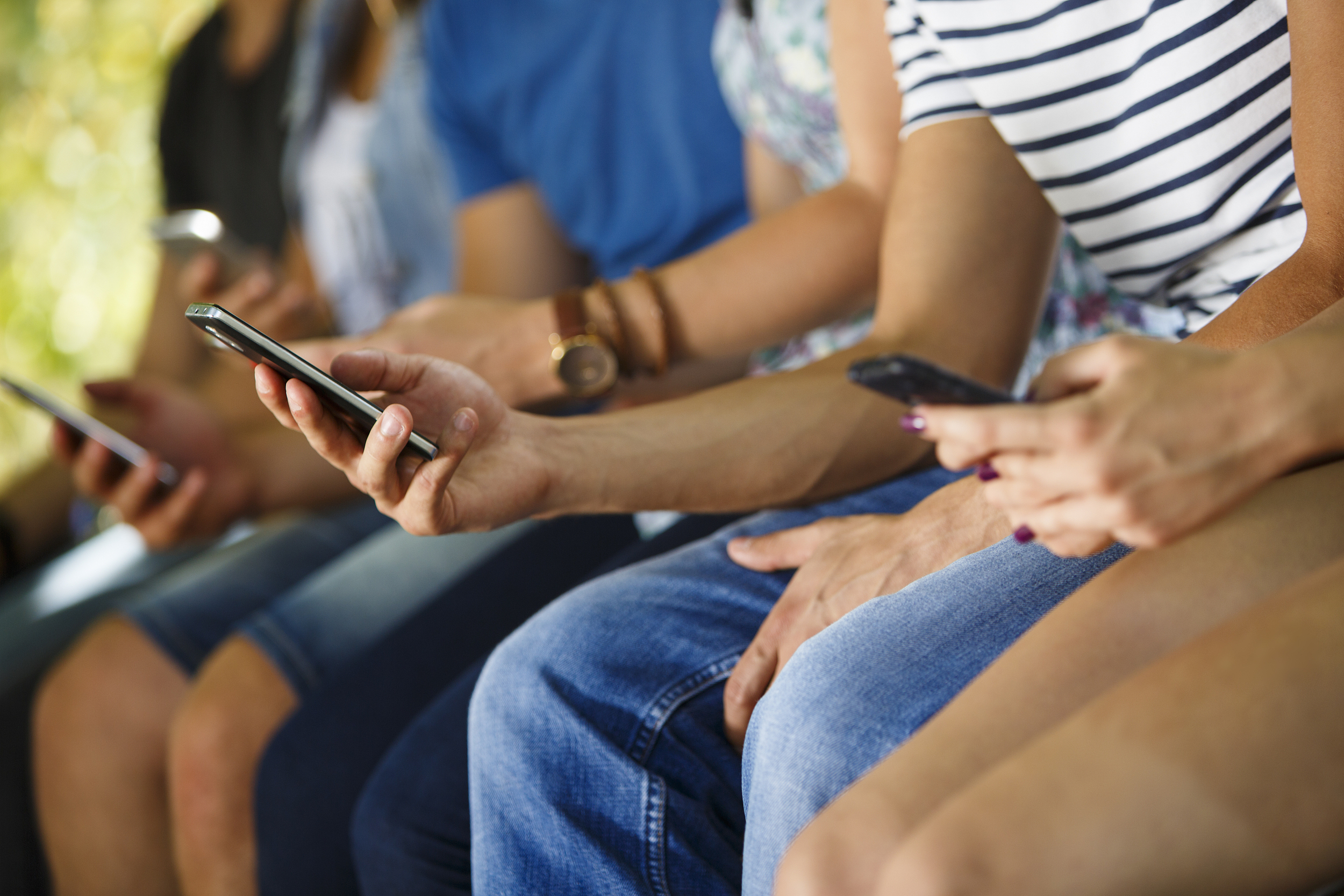
But here’s the kicker: early results from these bans are far from promising.
Australia’s ban on social media for under-16s—part of its 2024 Online Safety Amendment—officially took effect on December 10. It’s the world’s first law of its kind and the strictest so far.
The law has been in trial since January this year. Even with parental consent, kids can’t use social media. Platforms that repeatedly break the rules face fines up to 49.5 million Australian dollars (about 230 million RMB).
Affected tech giants include Snapchat, TikTok, Facebook, Instagram, Reddit, and X. These platforms will have to shut down over a million accounts. Notably, LinkedIn, YouTube, Messenger Kids, WhatsApp, kids’ helplines, and Google Classroom are exempt.
Just three months into the ban, 86% of teens under 16 are still finding ways to access restricted platforms, and their daily usage time hasn’t really changed.
A recent report from Tsinghua’s Smart Media Research Center shows that 70% of Australian minors are still using social media, and over half of parents know their kids are bypassing the rules. The report also found a weak link between social media use and negative mental health in kids, questioning the scientific basis of the ban. It argues that a “blockade” approach creates structural problems, shifting risks and raising governance costs.
Because the ban hasn’t delivered as hoped, the Australian government submitted a revised bill to parliament on June 29 this year. It aims to strengthen enforcement, give online regulators more power, and slap heavier fines on violators.
Child protection groups in other countries also warn that a blanket ban might push teens into less regulated corners of the internet, making them more vulnerable. The search for smarter ways to protect kids online continues globally.
A tech industry observer and chief analyst at a consulting firm shared their take: “Controlling minors’ social media use is a tough nut to crack in every country. A one-size-fits-all ban is bound to spark debates about its pros and cons.”
The Australian ban has also ignited a broader conversation about government boundaries, legal justifications, and practical challenges. Many in the tech world and among teenagers are pushing back. Some kids have even taken the government to court, arguing it infringes on their freedom of speech.
A long-time Melbourne resident shared their observations: “Most parents I know are skeptical about how the ban is working. And the kids themselves think they can easily get around it with tools like VPNs.”
Major platforms like Snapchat, TikTok, Facebook, Instagram, Reddit, and X have also complained that the government hasn’t provided solid scientific evidence, hasn’t listened to young people’s voices, and that the technical side of enforcement is just too tricky.