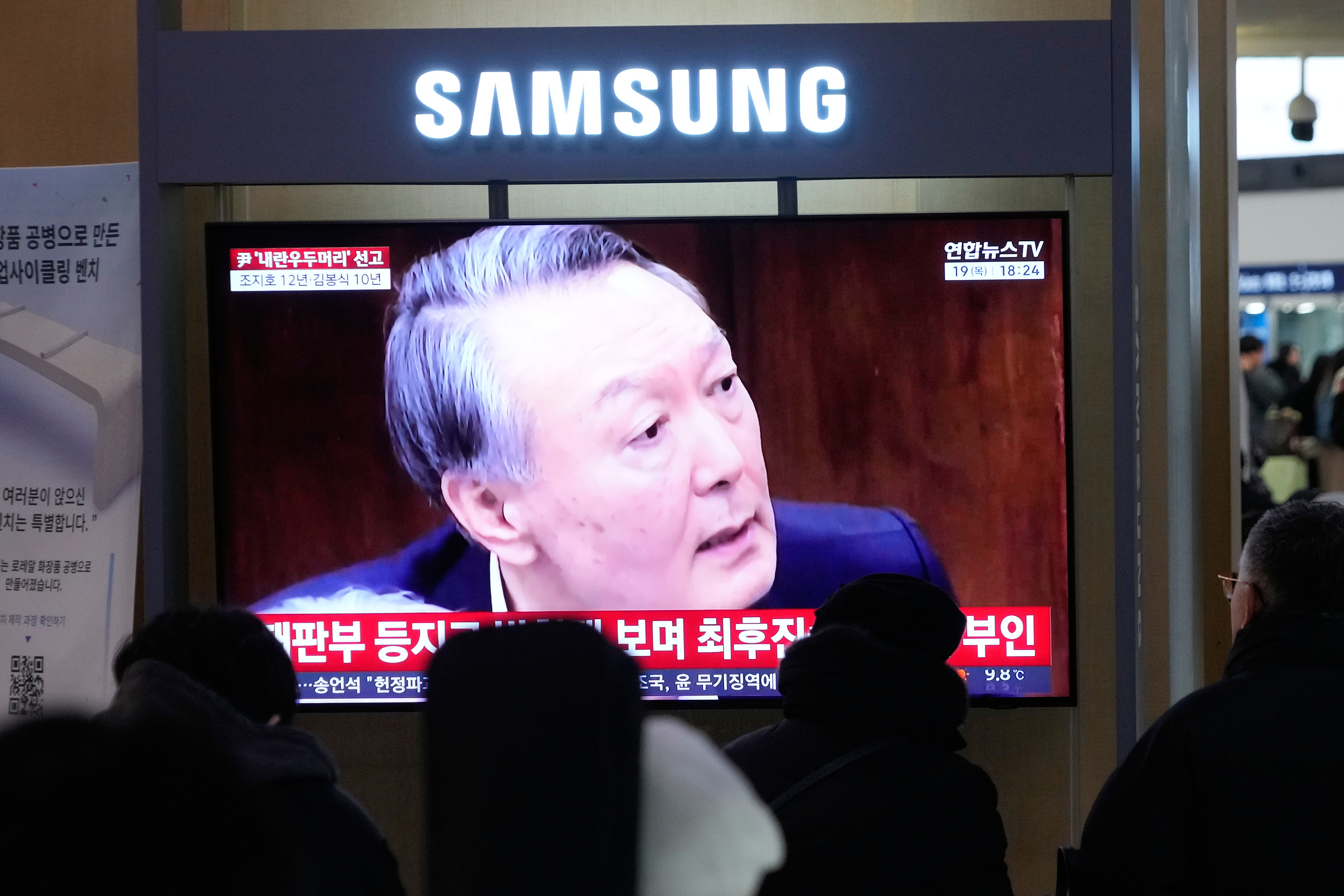
In a stunning verdict on June 12, a South Korean court sentenced former President Yoon Suk Yeol to 30 years in prison for his role in a drone incursion over Pyongyang, a plot designed to provoke North Korea into attacking the South.
The special counsel for internal strife had requested the 30-year sentence back in April 24, accusing Yoon of “general hostility against the enemy” and abuse of power.
Back in October 2024, North Korea’s foreign ministry angrily accused the South of sending drones loaded with anti-regime leaflets over Pyongyang multiple times, calling it a blatant violation of its sovereignty and international law.
But South Korean investigators uncovered a darker truth: Yoon, along with then-Defense Minister Kim Yong-hyun, allegedly used the drone strikes as bait to goad North Korea into firing back. Once Pyongyang took the bait, Yoon planned to declare “emergency martial law” to crush the opposition and shut down the National Assembly.
For decades, both Koreas have waged a psychological war—sending balloons stuffed with propaganda leaflets across the border and blasting loudspeaker messages. But drones were a dangerous new twist no one had seen before.
In 2023, South Korea’s Constitutional Court struck down a law that criminalized the launch of anti-North Korean balloons, citing free speech. Pyongyang fumed, issuing fiery statements that fell on deaf ears. Since May 28, 2024, the North retaliated by launching thousands of balloons stuffed with trash into the South’s border areas and capital region.
As the U.S. and South Korea ramped up joint military drills, North Korea doubled down. Starting October 9, 2024, it completely severed rail and road links with the South and began fortifying its border defenses.
On December 3, 2024, Yoon declared “emergency martial law.” Police later found notes from former military intelligence commander Roh Sang-won, a key figure in the martial law plot, revealing plans to “lure North Korea into attacking.”
Yoon and his wife, Kim Keon Hee, turned the presidency into a family-run corruption machine—a scandal that’s now a defining stain on South Korean politics. Kim faces charges of brokering bribes, stock manipulation, and illegally receiving polling services. Together, they’ve made history as the first ex-president and first lady to both land behind bars.
Yoon is now fighting over a dozen charges, including insurrection, abuse of power, and forgery. On January 13, prosecutors demanded the death penalty for him as the alleged ringleader of the rebellion.
The court also slapped Yoon with a 5-year sentence for obstructing official duties, though the special counsel had pushed for 10 years. This case is just the first among many Yoon is facing to reach a verdict.
On April 28, the Seoul High Court upped Kim Keon Hee’s sentence to 4 years in a second trial for stock manipulation and bribery—a much harsher outcome than the 1 year and 8 months she got in the first trial.
The appeals court overturned the initial “not guilty” verdict on stock manipulation, agreeing with prosecutors that Kim’s actions caused serious social harm. Her legal team immediately vowed to appeal to the Supreme Court.
The very next day, the same court sentenced Yoon to 7 years in a separate case involving his use of presidential security to block his own arrest during the martial law period—two years more than his first sentence.
Legal experts say these rulings could set a precedent for other martial-law-related cases, acting as a bellwether for the entire judicial saga.
Meanwhile, despite the new South Korean president’s olive branch, ties with the North remain ice-cold. Pyongyang insists the South is still its “most hostile state” and won’t be swayed by friendly gestures.
President Lee Jae-myung, who took office on June 4 last year, promised to restart hotlines with the North, halt provocative actions, and push for cross-border cooperation. A week later, the South Korean military stopped its loudspeaker propaganda broadcasts.
Lee expressed regret, saying that “irresponsible and reckless behavior” had triggered unnecessary military tensions.
North Korean leader Kim Jong Un called Lee’s stance “frank and magnanimous.” His sister, Kim Yo Jong, echoed that sentiment, saying Lee’s apology and pledge to prevent future incidents was a “wise and fortunate move.”