

Early on June 8, the IDF dropped a statement confirming that Israeli jets had just hit military sites across western and central Iran, right down to the capital, Tehran.
Explosions echoed across Tehran.Iran’s Islamic Revolutionary Guard Corps quickly chimed in, confirming that Israel had unleashed air-launched ballistic missiles against targets inside Iranian borders.
Just the night before, Tehran had already struck first. In response to Israel’s repeated ceasefire breaks and aggressive moves toward Lebanon and Iran, Iran fired three waves of at least ten ballistic missiles straight at Israeli territory.
We’re talking about heavy hitters here. Standard ballistic missile warheads usually weigh anywhere from a few hundred kilos to over a ton. They can pack high explosives, cluster munitions, or armor-piercing rounds, designed to take out high-value targets like airfields, ammo depots, or even carrier groups with pinpoint accuracy. For now, neither side has spilled the details on actual damages.
This marks the first direct hit from Iran on Israel in roughly two months, right after the US-Iran truce held. To stay safe, Israel called off all classes nationwide starting June 8.
Iran’s foreign ministry didn’t mince words in its statement. They pointed out that Israel and the US have been teaming up over the last two weeks to bomb ships and targets in southern Iran, calling it outright maritime piracy. Tehran made it crystal clear: they will fiercely defend their national security and interests.
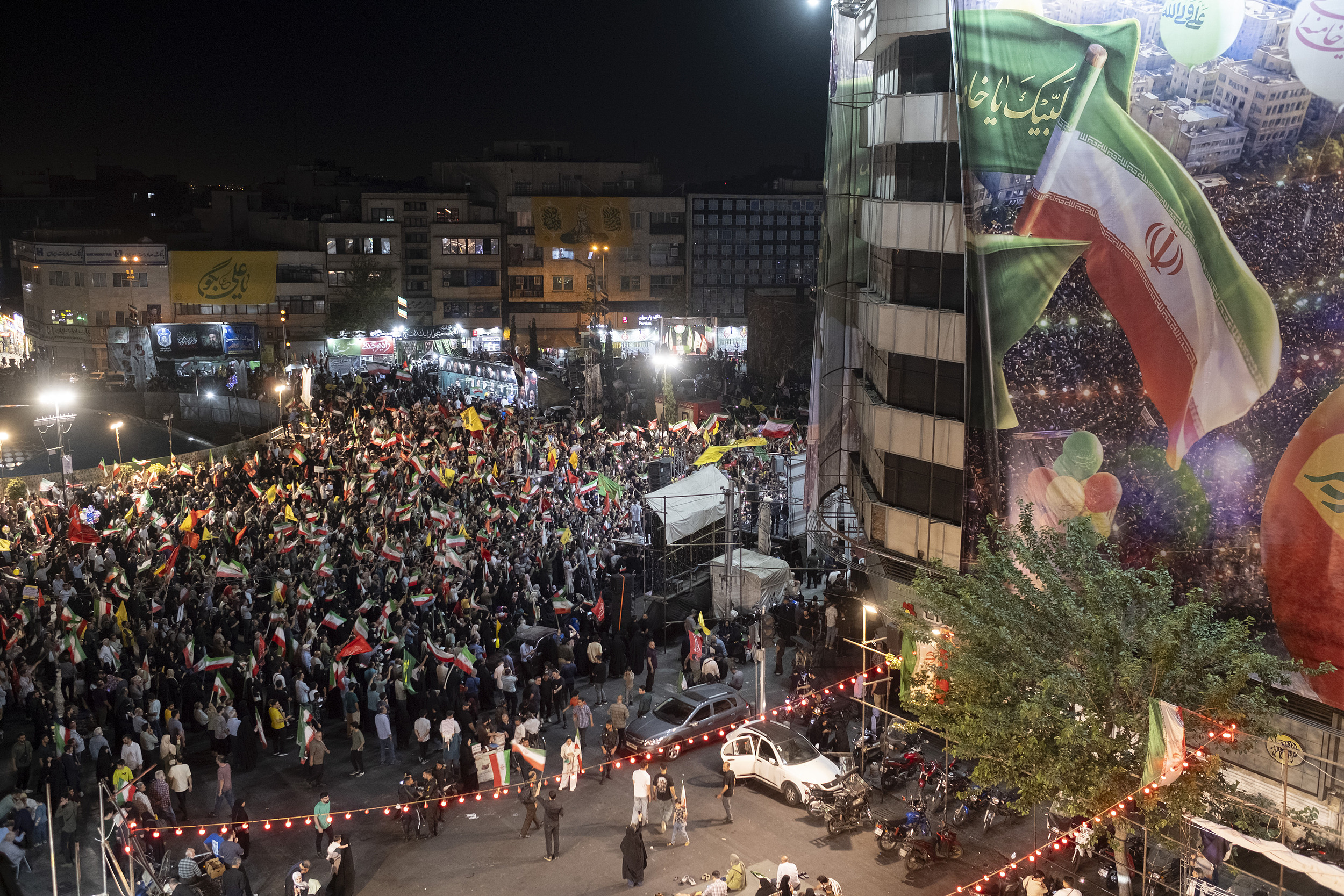
Ever since the US and Israel started their airstrikes on Iran back on February 28, Lebanon’s Hezbollah has been raining rockets down on Israel, officially jumping into the fray.Not long after, Israeli forces launched a ground push into southern Lebanon, aiming to wipe out the buffer zone along the Litani River.
To really understand the roots of this mess, you have to go back to 1947. UN Resolution 181 called for creating separate Arab and Jewish states in Palestine. With backing from Europe and America, Jewish leaders established Israel. Meanwhile, Arab nations pushed back hard, arguing the resolution never actually delivered on the promised Arab state.
That disagreement quickly boiled over into war when an Arab coalition, including Lebanon and Syria, attacked Israel. Fast forward to today, and that decades-old clash between the two sides is still very much alive.
Over in the US, President Trump has been briefed on the escalating tensions. During a recent interview, he noted that Iran’s latest strikes aren’t exactly helping negotiations move forward, and he’s pushing hard for Tehran to get back to the bargaining table.
He’s also pretty fed up with Israel’s recent strikes on Beirut. Trump actually picked up the phone to tell PM Netanyahu to hold his fire. His reasoning? A final deal between Washington and Tehran is supposedly just around the corner, and he doesn’t want the current chaos to blow it out of the water.
Trump was confident Netanyahu would eventually fall in line, insisting that the Israeli PM would “have no choice but to swallow whatever agreement Washington brokers with Iran.”
With strategic differences widening by the day, the once-tight alliance between the US and Israeli leaders has taken a sharp turn. What was once a rock-solid partnership has now cracked wide open, at least in public.
Just think about how they joined forces to launch the war on Iran this past February 28. Back then, top US intelligence officials openly admitted that Israel was the one who convinced Trump to pull the trigger, even though Washington wasn’t facing any immediate, lethal threat from Tehran.
Jewish Americansmake up roughly2.4% of the total US population, yet they hold significant sway in politics, business, and foreign policy. For decades, the US has been Israel’s biggest and most reliable backer, having handed out over $300 billion in aid so far. At the same time, Washington treats Israel as the linchpin of its entire Middle East strategy, ensuring it keeps a strong foothold in the region.
Israel has always seen Iran and its allies as an existential threat, making it a top priority to neuter Tehran’s nuclear ambitions. Netanyahu has spent multiple terms lobbying successive US administrations to take military action against Iran, and he finally got his wish during Trump’s presidency.
But here’s the catch: the war didn’t deliver the regime change Israel was banking on. Instead, it triggered an Iranian blockade of the Strait of Hormuz, sent global energy prices skyrocketing, and piled massive pressure on Trump at home. That’s when his frustration with Netanyahu finally boiled over.
Reports indicate that during two calls on June 1, Trump didn’t hold back. He reportedly called Netanyahu “crazy” and accused him of being ungrateful, even bringing up how Trump had previously helped him dodge jail time in a corruption case. Israeli officials privy to the calls say the vibe was intensely heated, with Trump’s voice rising as he demanded that Netanyahu toe the line.
Trump is clearly angry that Netanyahu’s hints suggest the war is still raging full-scale, aside from a brief pause on Beirut. Meanwhile, Netanyahu is just as frustrated with Trump’s social media posts, which seem to imply Israel has already called a ceasefire across all fronts.
