

On July 26, local time, Iran announced it had paused its retaliatory strikes against the United States, though it remains doubtful about America’s commitment to halting attacks on Iran.
According to reports, Iranian military spokesperson Akraminia stated that the U.S. stopped its strikes on Iran over the past two nights. Since Iran’s strategy is purely retaliatory, it has also suspended its counterattacks. He added that Washington failed to achieve its goals in the war of aggression against Iran.
An Iranian source noted that Tehran views the U.S. decision to pause strikes as more of a tactical move. Iran has had plenty of painful experiences being deceived by America, the source added.
Iranian Foreign Ministry spokesperson Baghaei said that information exchanges between Iran and the U.S. are ongoing, with mediators continuing their efforts. The international community had hoped America would fulfill its promises “at least this time,” but Washington’s actions have brazenly violated multiple terms of the memorandum, marking the “third betrayal” of diplomatic efforts.
As signals of de-escalation between the U.S. and Iran continue to emerge, markets reacted swiftly. On the morning of July 27, Beijing time, international oil prices took a nosedive. As of writing, Brent crude fell over 4%, and WTI crude dropped more than 5%. Meanwhile, spot silver surged past $60 per ounce, climbing 3.18%, and spot gold broke through $4,100 per ounce, up 1.2% for the day.
The recent volatility in oil prices has been entirely driven by geopolitical tensions. Oil hit $94 per barrel in mid-July, with monthly gains approaching 30%. Goldman Sachs noted that if shipping disruptions in the Strait of Hormuz persist, Brent crude could breach $120 per barrel by the fourth quarter of 2026.
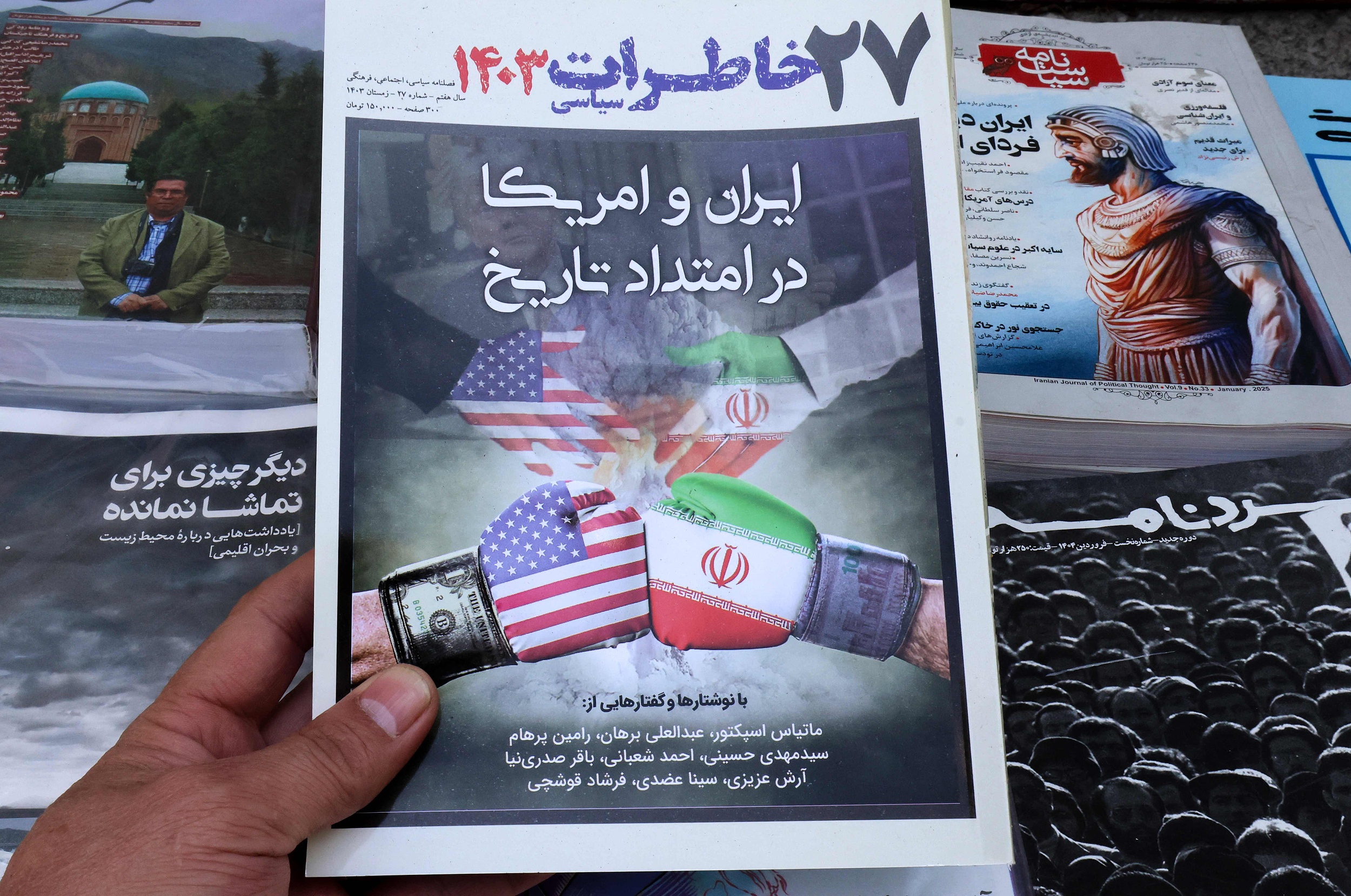
On July 25, U.S. President Donald Trump ordered the military to pause new airstrikes on Iran, ending nearly two weeks of continuous attacks. Insiders said Trump’s move was partly to create space for diplomatic negotiations and partly because he believed the current strikes had largely achieved their intended effect.
Analysts pointed out that the U.S. decision to suspend airstrikes on Iran stems from multiple real-world pressures—cutting military losses, making room for diplomacy, and avoiding a full-blown escalation that could spiral out of control.
According to updated casualty figures from the U.S. Department of Defense’s “Defense Casualty Analysis System” on July 26, since the large-scale U.S.-Israeli military operation against Iran began on February 28, total U.S. military casualties have reached 642, including 18 deaths. Iran claims it has struck over 288 targets at U.S. military bases across the Middle East.
Concerns are mounting among U.S. military leaders, including Chairman of the Joint Chiefs of Staff General Mark Milley, about the dwindling ammunition stockpile. Air defense missiles like Patriots in the Middle East are running critically low, and numerous aircraft and equipment at U.S. bases have been damaged or destroyed. Continuing to escalate strikes would further strain U.S. military deployment capabilities in the region.
A report from the U.S. bipartisan think tank Center for Strategic and International Studies (CSIS) indicates that American arms contractors would need at least three years to replenish the stockpiles of Tomahawk cruise missiles, Patriot, and THAAD interceptor missiles heavily used in the Iran conflict. The White House has repeatedly pushed automakers to shift production to Patriot missiles in an urgent effort to ramp up ammunition output.
There are also fears in Washington that ongoing conflict could draw in more actors—such as the Houthis, Saudi Arabia, Israel, and Iraq—making an already complex situation even more volatile and ultimately uncontrollable.
Israeli Prime Minister Benjamin Netanyahu is set to depart for Washington today, expected to present Trump with the latest intelligence on Iran’s military and nuclear programs, emphasizing that Tehran is accelerating its nuclear weapons development. He aims to push Washington to intensify military strikes on Iran. In an interview, Netanyahu stated that the conflict between Israel and Iran will only end when the current Iranian regime collapses or is sufficiently weakened to abandon its nuclear ambitions.
Michael Singh, director of the Washington Institute for Near East Policy, analyzed that if the ceasefire holds for several more days, it suggests diplomatic efforts are gaining the upper hand. Reopening the Strait of Hormuz is a shared priority for both the U.S. and Iran. Many Americans are unhappy with soaring oil prices, which could put Republicans at a disadvantage in the November congressional races.
According to Middle Eastern officials involved in mediation efforts, the mutual pause in strikes between the U.S. and Iran helps de-escalate tensions. Both countries wish to revive the memorandum. The core of ongoing negotiations involves the U.S. easing its naval blockade on Iran, while Iran would reduce restrictions on navigation.