

The US Iraq negotiations did not develop in the direction expected by the outside world, and both sides adhered to the red line and refused to compromise.
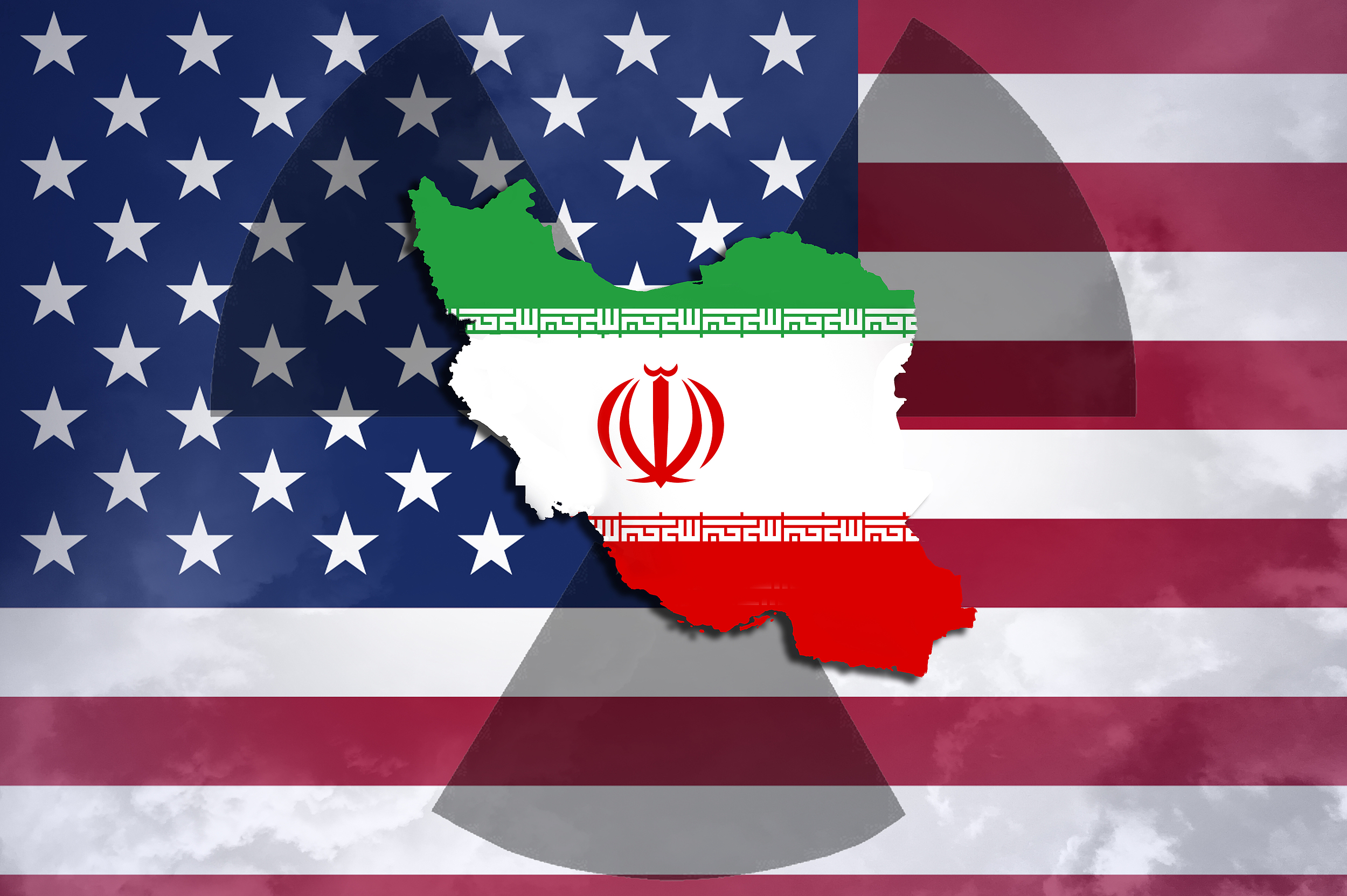
Sources said that Iran asked the United States to pay war compensation, confirm Iran’s sovereignty over the Strait of Hormuz, and unfreeze its frozen assets.
According to CCTV news, on May 10, US Eastern time, US President trump said in his social media “real social” that he had just read the response sent by Iran’s so-called “representatives”, and he did not like the response, “which is totally unacceptable”.
Iran’s response to the US proposal to end the war focused on ending the war in the whole region and maritime security in the Persian Gulf and the Strait of Hormuz.
The source said that Iran’s response emphasized the end of the war in the whole region, especially in Lebanon, and also asked the office of foreign assets control (OFAC) of the US Treasury Department to lift the sanctions related to Iranian oil sales within 30 days.
It is reported that the US sanctions on Iranian oil sales mainly focus on the three core directions of third-party transaction restriction, entity blackmail and financial blocking, freezing assets related to Iranian oil sales through the foreign assets control office of the Ministry of finance, and blocking all USD settlement channels.
According to public information, oil revenue accounts for 65% of the Iranian government budget. In 2025, Iran earned about US $64billion by selling energy, supporting expenditure in key areas such as military R & D and public services.
At the same time, the US military continued to exert pressure at sea. More than 20 U.S. warships have participated in the blockade against Iran. They have asked 61 merchant ships to change their routes and made four ships unable to navigate.
In response to the plans of France and Britain to send more warships to the Red Sea and the waters around the Strait of Hormuz, Iranian Deputy Foreign Minister garybabadi said on May 10 that any extraterritorial military deployment in the name of “protecting shipping” would “be tantamount to intensifying the crisis and militarizing this key waterway”. Only Iran can guarantee the security of the Strait and will not allow any country to interfere.
Garibabadi said that the root cause of regional insecurity lies in the illegal resort to force, the continuous threat to coastal countries, the implementation of maritime blockade and the disregard for the Charter of the United Nations.
In response to the mission plan of “demining” and “escort” proposed by France, garibabadi stressed that “only the Islamic Republic of Iran can guarantee the security of the Strait and will not allow any country to interfere in such affairs” in wartime or peacetime.
The statement finally warned that if France, Britain or other countries cooperate with the United States to take actions in the Strait of Hormuz that are deemed by Iran to be in violation of international law, the Iranian armed forces will make a “firm and prompt response”. Iran solemnly recommends that these countries not further complicate the situation.
On May 8, Chinese Foreign Ministry spokesman Lin Jian said at a regular press conference that the Strait of Hormuz is a strait used for international navigation. China is deeply concerned about the large number of ships and crew trapped in the Strait affected by the war, and believes that it is in the common interests of countries in the region and the international community to restore the smooth passage of the Strait as soon as possible and maintain the safety of civilian ships and crew. China calls on all parties to take practical measures to avoid the deterioration of the situation in the Straits. China is willing to work with the international community to continue to make efforts to promote talks and cool the situation in the Straits.
On the other hand, Iran is preparing a draft law on the Straits. The chairman of the National Security Committee of the Iranian parliament said that the Parliament had held many meetings with the Ministry of foreign affairs, the port and Maritime Organization and other relevant institutions to discuss the contents of the draft.
In the eyes of Iran’s supreme authority, the trump card of the Strait of Hormuz is even more powerful than nuclear weapons. Last month, the revolutionary guard navy drew up a new route from the south of Hormuz island to the south of larak island. This route is named “larak corridor”, and it is not allowed to pass without the permission of the revolutionary guard navy.
As early as March 30, the National Security Committee of the Iranian parliament passed a bill to charge ships passing through the Strait of Hormuz. The contents include the implementation of financial arrangements and charging system in the form of Iranian Riyals, and the maintenance of the dominant position of armed forces such as the Revolutionary Guard.
Two weeks ago, Iran submitted a 14 point proposal to the us through Pakistan, mainly including the establishment of a new management mechanism for the Strait of Hormuz.
The scheme consists of three phases. The first phase includes the gradual opening of the Strait of Hormuz within 30 days, the Iranian side’s responsibility for clearing mines, the US withdrawal from the waters around Iran and the cessation of new troop build-up.
The US intelligence community recently further warned that the dominance of the Strait of Hormuz is the only bargaining chip in Iran that can form a check and balance against the United States. Even after the war, Iran needs to collect tolls to rebuild.
Just two days ago, the negotiations on the crisis in the Strait of Hormuz seemed to have reached a critical juncture. The media in the Middle East predicted that there would be a breakthrough in the traffic problem, and Pakistan and other mediators also expressed optimistic expectations.
However, sporadic clashes occurred between the Iraqi armed forces and American ships many times, and both sides accused the other side of provocation. The trump administration is seeking to restart the “freedom plan” action of using air and sea forces to support the escort of merchant ships across the Strait of Hormuz.
It is not excluded that another big fight between the two sides is part of their long-term strategy. The purpose is to exert pressure in order to obtain a more favorable negotiation basis. The current goal of both sides is a memorandum of understanding, not a comprehensive peace agreement.
There are various signs that the US government is changing its negotiation strategy, that is, to talk about simple issues first and to solve the most acute problems at a later stage.
