According to a US-Iran memorandum of understanding, the Strait of Hormuz—the world’s key oil chokepoint—is currently in a 60-day hassle-free transit period, where all compliant civilian commercial vessels enjoy free passage, just like before the conflict.
But Iran’s Foreign Ministry and its ambassadors abroad have repeatedly and clearly stated that once this transition period ends, they’ll start charging service fees based on international norms. The money is meant to cover routine public service costs like navigation support, voyage insurance, maritime safety maintenance, and marine ecological protection. Iran plans to team up with neighboring Oman to manage the strait and deliver these services.
Earlier, US intelligence assessments suggested Iran wants to use these fees to fund post-war reconstruction. Tehran estimates that charging for safety and environmental services in the Strait of Hormuz could rake in around $40 billion annually.
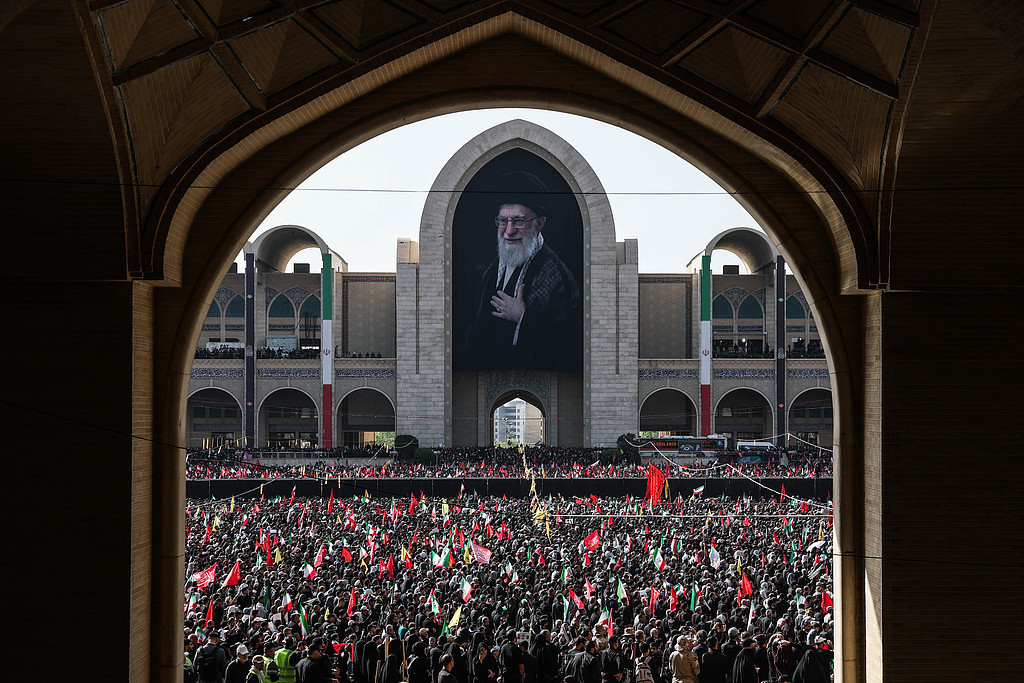
Qin Tian, deputy director of the Middle East Institute at the China Institutes of Contemporary International Relations, shared his take in an interview on July 5th: After this war, Iran has realized that the Strait of Hormuz is a powerful card in its game with the US. Even after signing a ceasefire memorandum, they want to tighten their grip on the strait. Their way of doing that? Pushing for these fees.
Originally, Iran dreamed of imposing transit tolls, but that got slammed by multiple countries. So, they backed down and switched to calling it a “service fee,” and they’re trying to collect it jointly with Oman. The international community, including the US and Oman, is either reserved or outright against it. Most nations just want the strait to go back to how it was before the war—free and open for everyone.
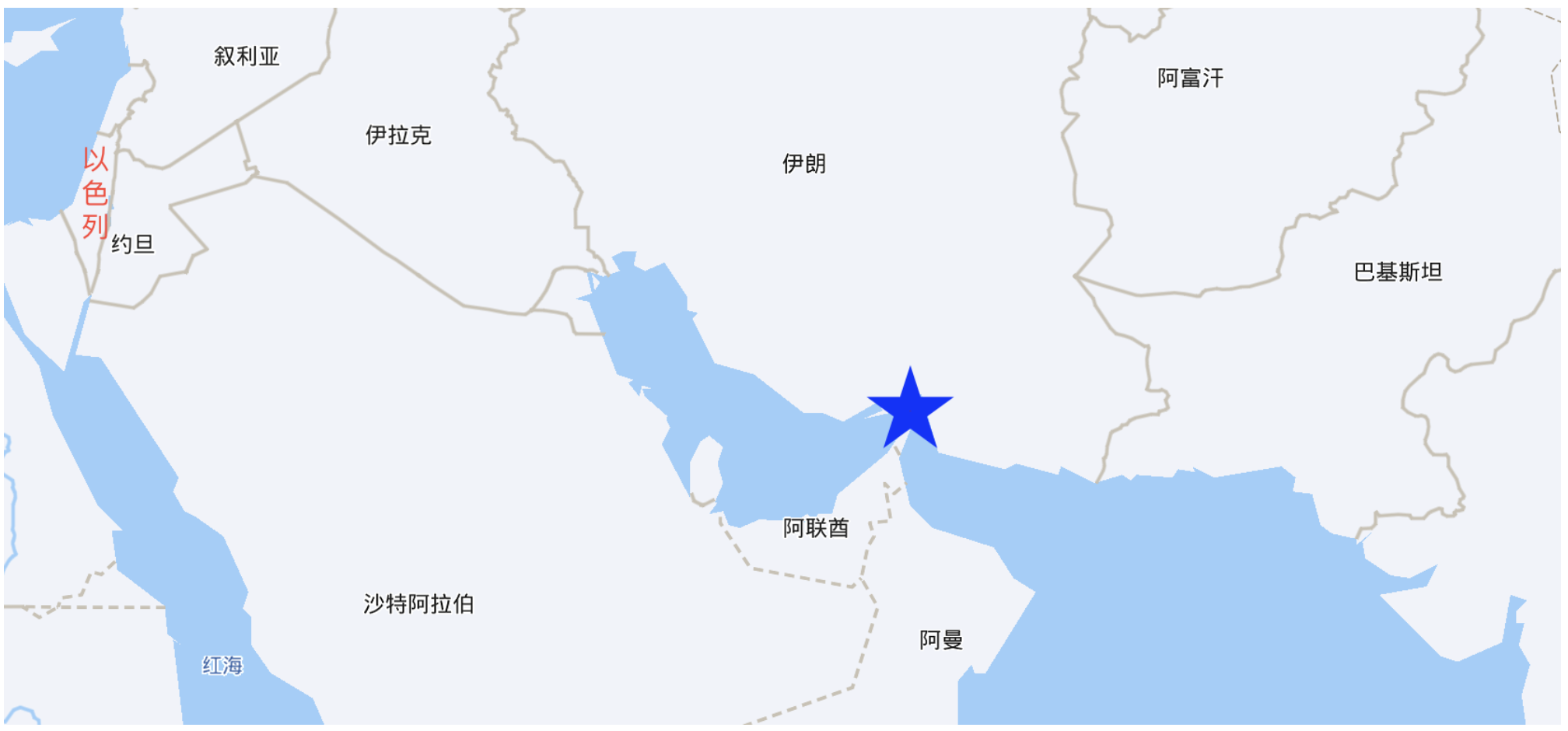
Even though almost all the deep-water shipping lanes in the Strait of Hormuz fall within Oman’s territorial waters, Iran holds the real control. Oman is pushing for a model similar to the Malacca Strait, where fees are voluntary donations—paying or not doesn’t block your passage, and the money is managed jointly and used for specific purposes.
A draft of the “Strait of Hormuz Environmental Service Fee Regulation,” led by Iran’s Vice President and head of the Environmental Protection Agency, has been completed. It requires all vessels passing through to get a permit from Iran. The plan is to charge different rates based on ship type and owner nationality: ships from hostile nations and those violating rules would be banned, vessels from NATO countries would face high fees, and a few friendly nations’ ships could get a free pass.
The Strait of Hormuz handles nearly 20% of the world’s seaborne oil supply. If this fee system fully kicks in, it’ll directly bump up global energy transport costs and shake up the current system of free international shipping.
A transit toll is usually understood as buying the right to use a road, bridge, tunnel, or waterway. A service fee, on the other hand, covers things like pilotage, waste disposal, traffic management, or other maritime assistance. But many public policy and Middle East geopolitical experts point out that if ships essentially have to pay, register, or follow specific procedures to pass through, it’s still basically a toll in disguise. And that could set a precedent for other international waterways to follow suit.
Looking ahead, the legality of Iran’s planned service fees is expected to become a hot topic in national laws and diplomatic disputes.
James R. Holmes, director of the Maritime Strategy department at the US Naval War College, and others argue that, first off, the Strait of Hormuz is a natural international waterway. Under the UN Convention on the Law of the Sea (UNCLOS), all ships have the right of transit passage. In contrast, for man-made canals like Suez or Panama, the operators can charge fees for maintaining infrastructure and providing services.
It’s worth noting that Iran has signed UNCLOS but never completed the domestic ratification process, so it’s not an official party to the convention.
Right now, there are three different shipping routes in the Strait of Hormuz. The first, in the northern part, is controlled by Iran. The second cuts through the middle and was the regular international lane before the strait was disrupted. The third runs along the southern side, near Omani waters, and is coordinated by Oman, the US, and the International Maritime Organization. With different parties running different routes, shipping in the strait is getting a lot more complicated.
The US sees the Strait of Hormuz as the linchpin of its control over the Gulf region. The US military keeps a carrier strike group, Aegis destroyers, minesweepers, and anti-submarine air assets in the Persian Gulf, mainly to counter Iran’s mines, drones, and small fast-attack boats. Trump has repeatedly said Iran’s fee plan is “unacceptable,” and the US has already slapped sanctions on Iran’s “Persian Gulf Strait Authority,” which manages the strait, banning global businesses from doing dollar-based transactions with it.
Saudi Arabia, the UAE, and other Persian Gulf states are strongly demanding a return to pre-war conditions. Some European countries, though, have quietly accepted the fees as a done deal.
Qin Tian sums it up: Overall, while Iran has the geographical advantage to collect fees, this demand doesn’t have international backing. Plus, the US won’t let Iran just waltz in and start charging. So, the fee issue in the strait is shaping up to be a long, drawn-out struggle.