The relationship between President Trump and Italian Prime Minister Giorgia Meloni has taken a nosedive after Trump claimed she “begged” him for a photo at the recent G7 summit in France. What followed was a fiery back-and-forth on social media, with Meloni firing back that she and Italy “never beg.” The spat has escalated to the point where Italy’s Deputy Prime Minister and Foreign Minister, Antonio Tajani, canceled a planned visit to the U.S. Meloni’s close allies are accusing Washington of “destroying the historic bond between Europe and America.”
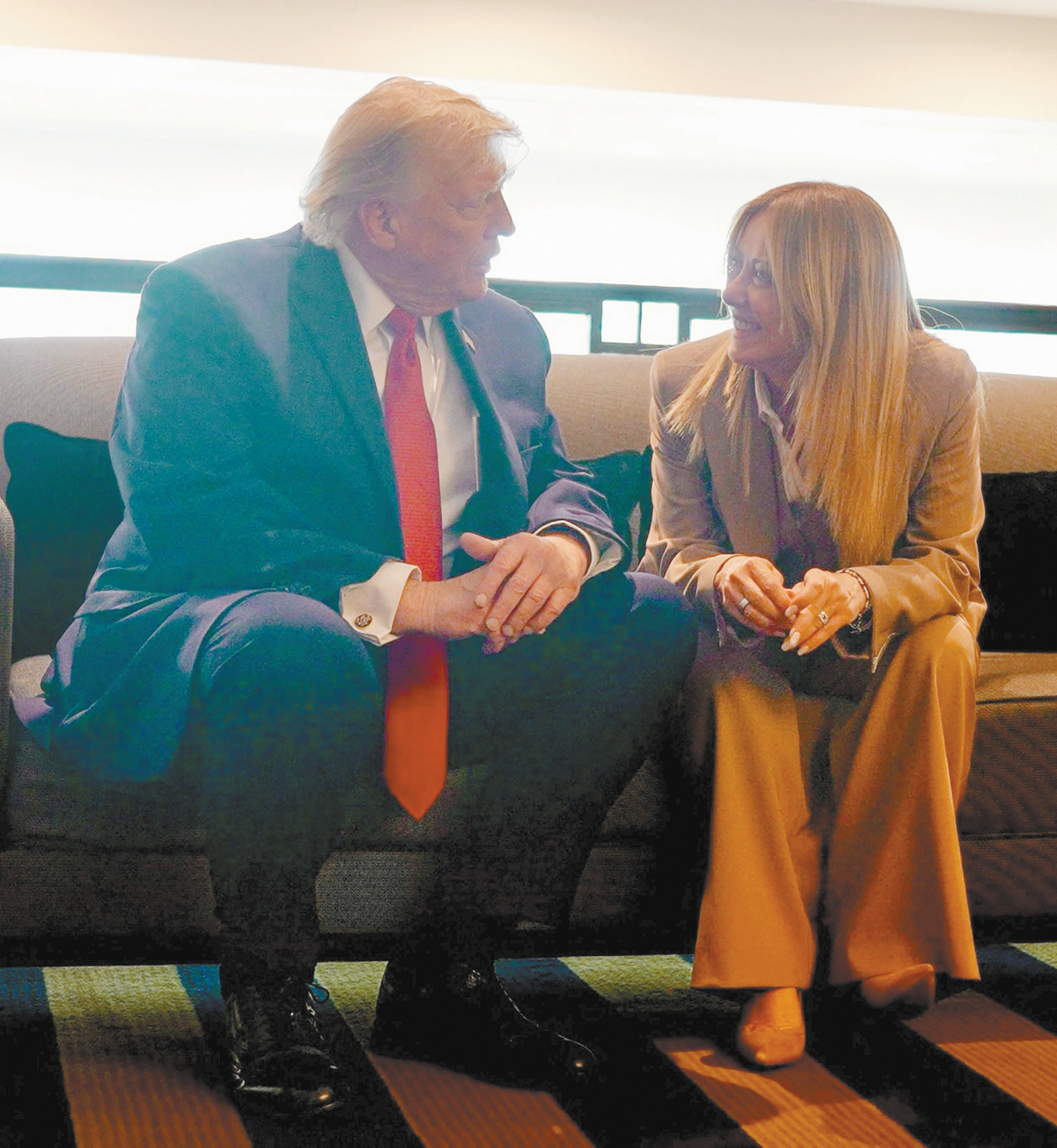
A snapshot from the G7 summit showed the two leaders chatting privately, but just days later, they were at each other’s throats over the “photo request” remarks.
According to reports, Trump told an Italian media outlet that Meloni “begged” for a photo-op with him at the summit, claiming he only agreed out of sympathy. Meloni was quick to respond with a video on social media, expressing shock at what she called Trump’s “fabricated” story. She didn’t stop there, criticizing Trump’s approach to international relations, saying, “I don’t understand why the U.S. president treats allies this way. This isn’t the first time.”
The tension shows no signs of cooling down. Trump later took to social media, insisting Meloni “repeatedly asked” for the photo and taking a swipe at her domestic approval ratings, suggesting she was trying to cozy up to him after refusing to let the U.S. use Italian airports for military operations against Iran. “Now that America has won militarily against Iran, she wants to be friends to boost her ratings. Thanks, but no thanks!!!” Trump wrote. Meloni quickly clapped back in English, calling the attacks “baseless” and advising Trump to “focus on his own approval ratings.”
Meloni was once seen as one of Trump’s closest allies in Europe, being the only European leader to attend his inauguration in January 2025. But things soured in April when Pope Leo XIV condemned the U.S.-led war against Iran. After Trump fired back with harsh words, Meloni called the U.S. statements “unacceptable.”
This ongoing feud highlights a growing rift between the two nations, especially since the U.S. and Israel launched military action against Iran without notifying their allies. Italy felt blindsided and has since reduced its engagement with Washington. Some observers even call this “a turning point” in bilateral relations, noting that the friendship that seemed to be patched up during the G7 is now shattered.
Italy’s response has been strong. A senior official in Meloni’s office criticized Trump’s “inappropriate remarks,” saying they are causing the U.S. to lose the hearts and minds of people across Europe. Italy’s defense minister also weighed in, stating that such comments benefit no one. Italian ministers have decided to skip the U.S. Independence Day celebrations in Rome. Other European leaders, like Spain’s Prime Minister and Belgium’s defense minister, have publicly voiced their support for Meloni, calling for an end to “insults that only divide the West.”
Some analysts believe Meloni’s tough stance is about defending national dignity and shoring up her support at home. While the clash will impact U.S.-Italy relations, the deep economic and security ties between the two countries can likely withstand this friction.
But this spat is more than just a personal quarrel. It reflects a broader, deeper dissatisfaction in Europe with the U.S. Recent disputes over trade, the Ukraine conflict, and the future of NATO have fueled a sense of distrust and even betrayal among European allies. U.S. Defense Secretary Pete Hegseth recently announced a six-month review of U.S. troop deployments in Europe, bluntly stating, “We will no longer tolerate free-riding.”
Experts suggest that Europe’s discontent with the U.S. is moving from the surface to a much deeper level. Europeans see that America’s capacity and resources may no longer be enough to guarantee their security. Some of Washington’s diplomatic moves are creating more uncertainty and risk for Europe, and its interference in European internal affairs is provoking stronger backlash. European leaders are now taking a more pragmatic approach to the U.S., no longer seeing close ties with Washington as an automatic political win at home. They are increasingly weighing their own interests and national dignity in their dealings with America.