HA Viewpoint: The situation in Venezuela is nothing short of a nightmare. As of 8 PM Beijing time on June 25, the twin earthquakes have claimed at least 164 lives and left nearly 1,000 injured. Acting President Victoria Villarruel has declared a national emergency, warning that the casualty count is likely to rise as rescue operations persist. In a heartfelt address early on the 25th, she called for national unity and expressed deep gratitude to China for its swift humanitarian aid and support in the aftermath of the disaster.
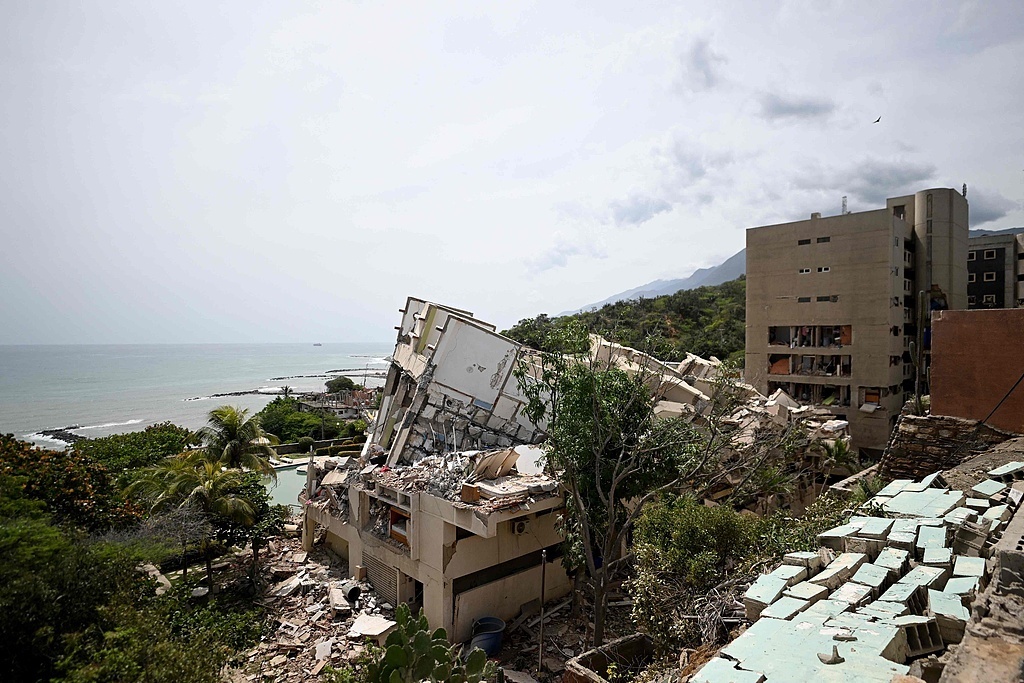
By June 25, 2026, the devastation was visible everywhere. In Catia La Mar, Vargas State, hillsides bore the scars of collapsed structures, a stark reminder of the quake’s power.
The chaos began around 6 PM local time on June 24 when Venezuela was hit by two massive tremors. According to the US Geological Survey (USGS), the first quake registered a 7.2 magnitude. Less than a minute later, a more powerful 7.5 magnitude earthquake struck—the strongest the country has experienced in over a century. USGS preliminary estimates are chilling: the death toll could very well exceed 10,000. The BBC, citing these predictions, warns that strong aftershocks are still likely to occur.
The impact wasn’t confined to Venezuela. CNN Brazil reported that the tremors were felt strongly across the country, as well as in neighboring Colombia and Brazil. Infrastructure in major cities, including the capital Caracas, suffered extensive damage. The Simón Bolívar International Airport, located north of Caracas, was shut down. Schools have been closed until the weekend, and hospitals in the capital are overwhelmed, with staff working extended night shifts to treat the injured.
Describing the scene in Caracas, local residents painted a terrifying picture, comparing it to a horror movie. Buildings swayed with “unbelievable” intensity, forcing tens of thousands to sleep in cars and subway stations to avoid damaged structures. Interior Minister Javier Cabello urged calm, prioritizing the care of the elderly and children, while activating the national emergency plan.
President Victoria Villarruel highlighted the central coastal region as the hardest-hit area, particularly Vargas State. “The situation in La Guaira is a true tragedy,” she stated, noting that dozens of buildings have collapsed there. The initial casualty figures do not yet include losses from this state, where rescue workers are engaged in grueling search-and-rescue missions.
In the wake of the disaster, the international community has rallied. Qatar, Mexico, and El Salvador have already dispatched rescue teams. Additionally, professional rescue squads certified by the UN system are en route to provide support.
At the Chinese Foreign Ministry’s regular press briefing on the 25th, spokesperson Guo Jiakun expressed China’s willingness to provide assistance in an appropriate manner, based on Venezuela’s needs. He noted that China is closely monitoring the situation and maintaining close contact with its embassy in Venezuela. As of now, there are no reports of Chinese citizen casualties.